Architecture that generates its own light
Building-integrated photovoltaics that weave solar directly into facades, glazing and roofing, so your building becomes a power station without ever looking like one.
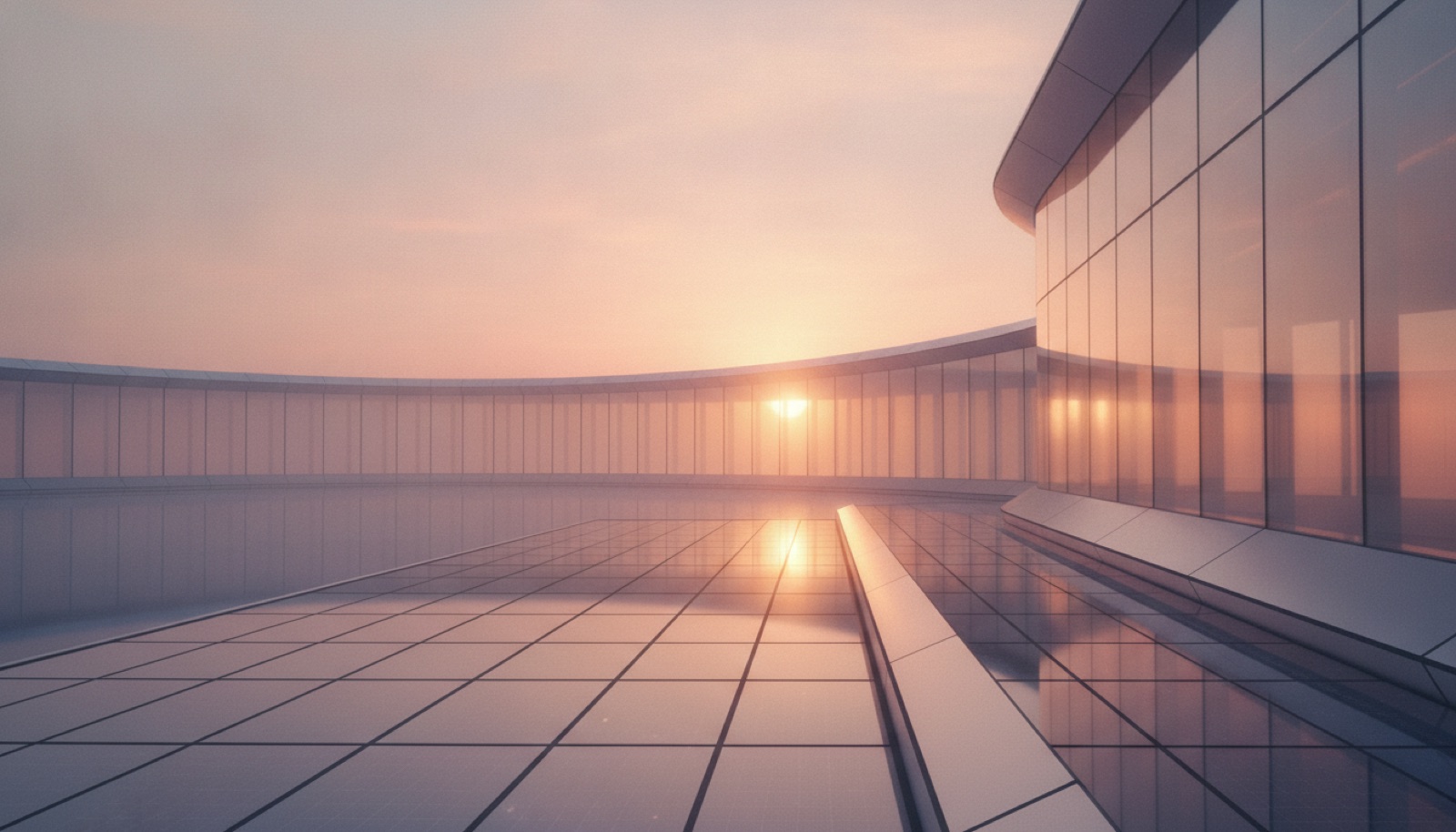
Solar does not have to sit on top of a building. With building-integrated photovoltaics, it becomes the building. BIPV replaces conventional cladding, glazing, spandrels and roofing with elements that generate electricity, so the very skin of a structure harvests the sun. The result is architecture that quietly produces its own power while looking, at first glance, like beautifully designed glass and stone.
Solar as a building material
Traditional rooftop panels are added to a finished building. BIPV is different, it does the job of the material it replaces while also generating energy. Photovoltaic glass can form a curtain wall, a skylight or a sunlit atrium, transmitting daylight while producing kilowatt-hours. Solar tiles and standing-seam metal roofing shed water and weather like any roof, yet feed power into the building below. Because the cost of the cladding it replaces offsets part of the system cost, the economics are stronger than they first appear.
For architects, BIPV opens a new design language. Semi-transparent modules tint and dapple interior light. Coloured and patterned glass let facades express brand and texture. Vertical surfaces, often vast and unused, become generating area, which matters enormously in dense cities where roof space is scarce and walls are plentiful. The building stops hiding its energy ambition and starts wearing it with confidence.
Performance woven into form
Integrating solar into the envelope demands careful engineering. Facade modules run warmer and at varied angles, so we model orientation, shading and temperature to predict realistic yield, and we design ventilation pathways and micro-inverter or optimiser layouts that keep each surface performing even when part of it falls into shadow. Done well, BIPV delivers genuine generation alongside its architectural beauty, not a token gesture.
Why choose integrated solar
- Generation from facades and glazing, unlocking vertical surfaces that rooftop solar ignores
- A clean, intentional aesthetic with no bolt-on racking or visible mounting
- Dual function, where modules replace cladding cost while producing electricity
- Daylight control through semi-transparent and tinted photovoltaic glass
- Strong contribution to green building ratings and net-zero design targets
BIPV also fits naturally into the connected energy network. A high-rise clad in solar glass can feed a shared community battery in its basement, support neighbouring buildings during peak demand, and participate in coordinated energy sharing across a precinct. Whole districts can become softly luminous generators, each surface contributing to a balanced, resilient grid.
The future of building is one where energy and architecture are no longer separate disciplines. Helios Horizon works alongside architects, developers and builders from the earliest sketches, so solar is designed in rather than retrofitted on. Let us help you create buildings that are beautiful, efficient and quietly generous, turning every sunlit surface into a source of clean, shared power.
Building-Integrated PV questions
Per square metre, integrated modules often produce a little less than optimally angled rooftop panels, especially on vertical facades. But they unlock surfaces that would otherwise generate nothing and replace cladding costs, so the overall value can be excellent.
Yes. Semi-transparent BIPV glass is designed to balance daylight transmission with power generation, and the level of transparency can be tuned to suit each space, from bright atriums to softly shaded work areas.
As early as possible, ideally during concept design. BIPV works best when it informs the building envelope from the start, allowing us to optimise orientation, structure and electrical layout before details are locked in.
Explore related services
Ready for building-integrated pv?
Book a friendly, no-pressure consult and we'll tailor the right system for your place and the wider network.