Surgical precision for complex jaw correction
When braces alone cannot resolve a skeletal discrepancy, our digitally planned surgical orthodontics realigns the jaws for a stable bite, easier function and balanced facial proportions.
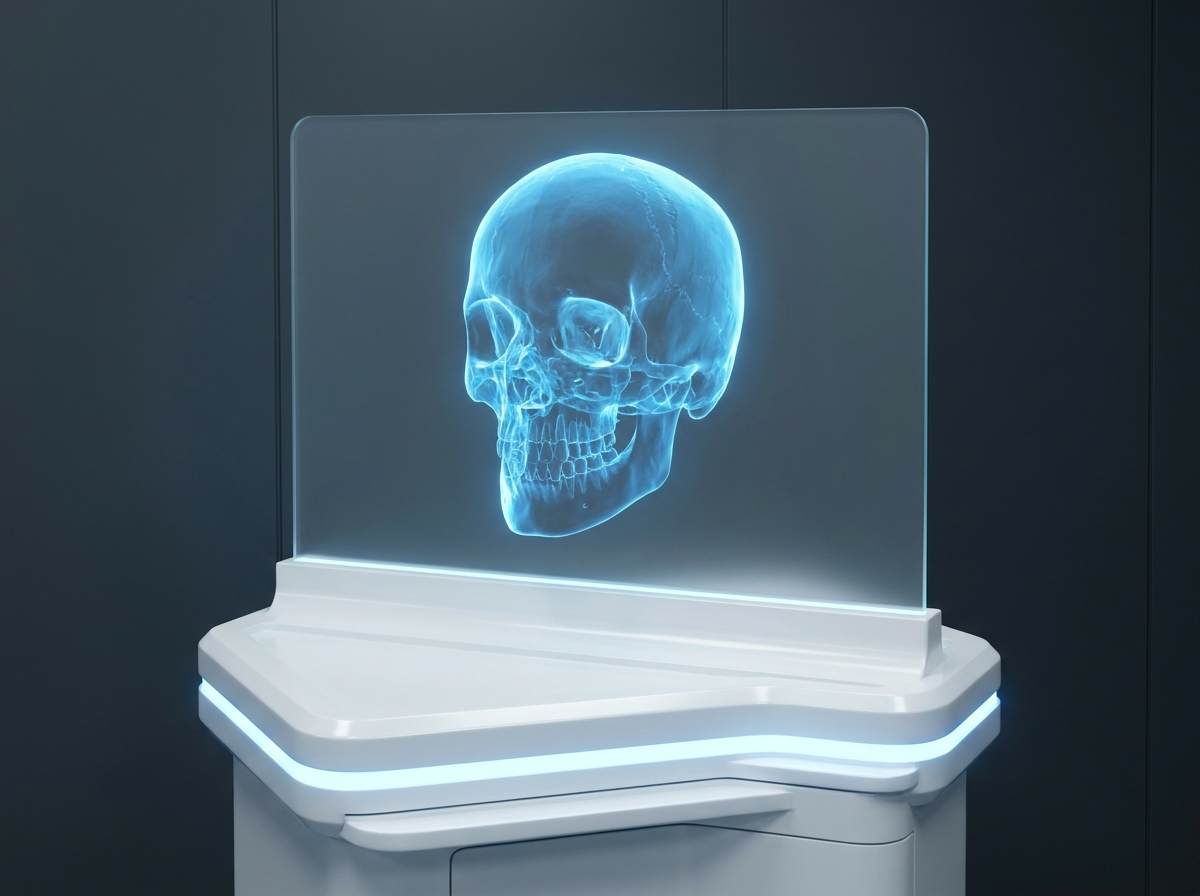
Some bite problems are not about the position of the teeth at all, but about the size and position of the jaws themselves. When the upper and lower jaws sit out of proportion, chewing, speech, breathing and facial balance can all be affected, and aligners or braces on their own cannot bridge the gap. Surgical orthodontics, sometimes called orthognathic treatment, combines precise tooth movement with a corrective jaw procedure performed by an oral and maxillofacial surgeon. The result is a foundation that works in harmony rather than two arches forced to compensate for one another.
At AlignTech, surgical cases begin in the digital realm long before any operating theatre is involved. We capture high-resolution intraoral scans and three-dimensional CBCT imaging, then merge them into a single virtual model of your bones, teeth and soft tissue. This shared dataset lets our orthodontists and your surgeon plan every millimetre of movement together, so the surgical and orthodontic stages are designed to reinforce one another rather than compete. It also means decisions are grounded in measurable anatomy, not assumptions made from a flat photograph or a plaster cast.
Digital surgical planning
Using virtual treatment simulation, we reposition the jaws on screen and preview how the bite will meet afterwards. From that plan we design custom surgical guides and splints that translate the digital blueprint into the operating room with remarkable accuracy. This planning stage reduces guesswork, shortens theatre time and helps the surgical team achieve the movement that was modelled. Because the same model is shared across the whole team, everyone is working from one source of truth, and the soft-tissue changes to your profile can be discussed openly before anything is committed to.
- 3D CBCT imaging to map jaw structure, nerves and airway with clarity
- Virtual simulation to preview bite, function and facial proportion
- Custom-printed surgical splints derived directly from the digital plan
- Coordinated care between your orthodontist and maxillofacial surgeon
- Staged pre- and post-surgical orthodontics to settle the final bite
Before and after surgery
Most surgical orthodontic journeys follow three phases. First, braces or aligners level and align the teeth so they fit correctly once the jaws are repositioned. Next, the surgical procedure moves the jaws into their planned position. Finally, a short period of detailing refines how the teeth meet. Throughout, remote monitoring lets us track progress between visits and flag anything that needs attention early. Knowing what each phase involves in advance takes much of the uncertainty out of a journey that can otherwise feel daunting.
Predictable, measurable outcomes
Because every stage is mapped against the original 3D model, we can measure how closely the result matches the plan rather than relying on impression alone. While individual healing and biology always vary, this data-led approach gives you a clear, realistic understanding of what your treatment is designed to achieve and why each step matters. Comparing the post-surgical anatomy against the original simulation also lets us verify the correction objectively and fine-tune the orthodontic detailing with confidence.
Coordination is what keeps a complex case on track, and we treat communication as part of the clinical work itself. Your surgeon receives the same digital records we use, your general dentist is kept informed where restorations are involved, and you receive a plain-language summary of each milestone so you always know where you are in the sequence. Nothing about surgical orthodontics should feel like a black box, and our digital workflow is deliberately built to keep it transparent from the first scan to the final review.
If you have been told your bite needs more than braces, book a surgical orthodontic assessment. We will review your imaging, explain your options in plain language and build a staged plan tailored to your anatomy and your goals.
Jaw Surgery (Surgical Orthodontics) questions
No. Surgery is reserved for genuine skeletal discrepancies that tooth movement alone cannot correct. Our 3D assessment helps determine whether braces, aligners or a combined surgical approach is most appropriate.
Surgical orthodontic care is staged over time and typically spans many months, including pre-surgical alignment, the procedure itself and post-surgical detailing. Your personalised plan will outline the expected timeline.
The jaw procedure is carried out by a qualified oral and maxillofacial surgeon. We plan and coordinate the case digitally and manage the orthodontic stages before and after surgery.
Ready to start this treatment?
Book a free 3D scan and we'll build your personalised plan — then show you the predicted result before you commit.