Calm your jaw with data-led TMJ care
Persistent jaw pain, clicking and morning tension deserve more than guesswork. We map how your joints actually move, then design treatment around the evidence.
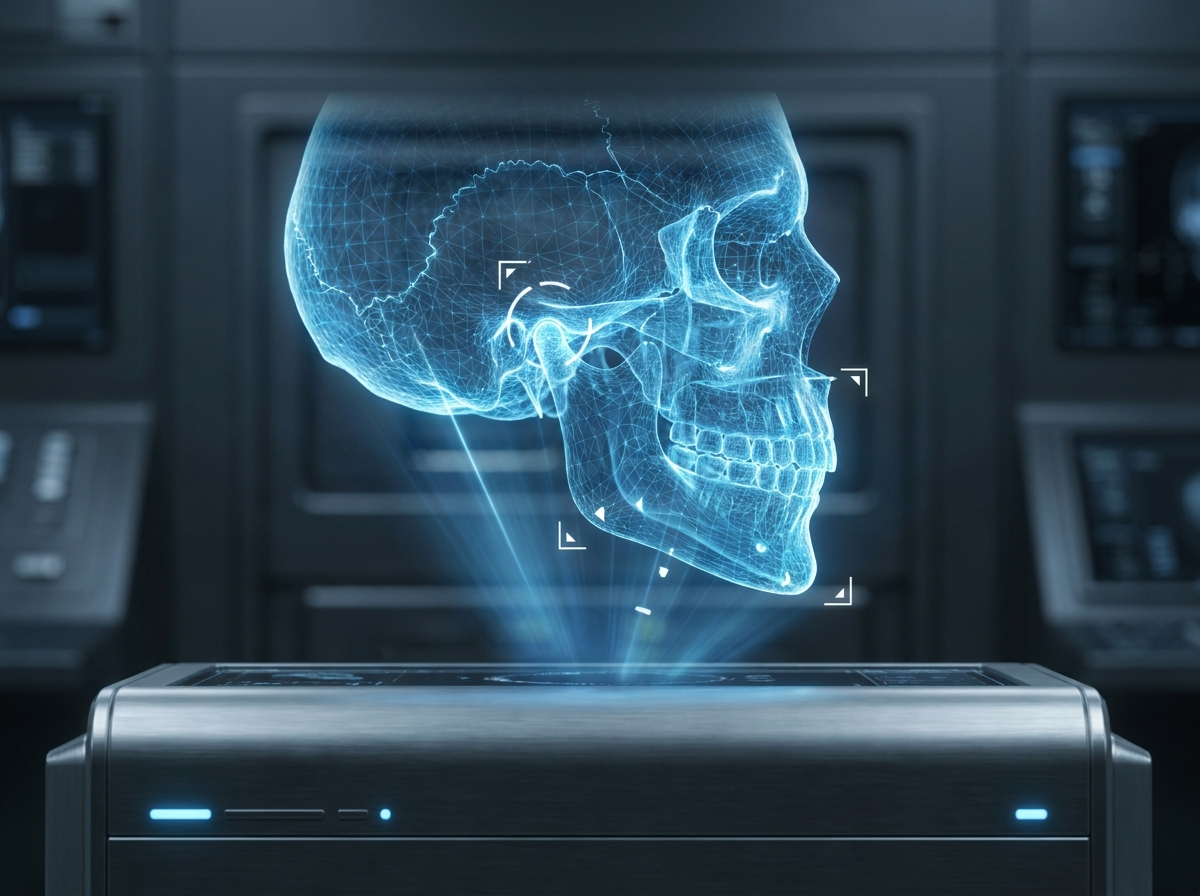
Temporomandibular joint (TMJ) disorders rarely announce themselves clearly. They surface as dull morning headaches, a jaw that clicks when you yawn, tenderness around the ears, or teeth that feel like they no longer meet the way they should. Some people notice their bite has quietly shifted; others wake with aching cheeks from a night of unconscious clenching. Because these symptoms overlap with so many other conditions, accurate diagnosis is everything. At AlignTech, our starting point is measurement rather than assumption, and we resist the urge to label your discomfort before the evidence is in front of us.
We combine a detailed clinical history with 3D imaging of the joint structures and digital jaw-motion tracking that records exactly how your mandible opens, closes and shifts laterally. This captured movement is rendered as a precise digital model, so we can see whether the issue stems from muscle strain, disc displacement, an unstable bite, or a combination of factors working together. Rather than relying on a single snapshot, the motion data captures your jaw in action across a full range of everyday movements, giving us a far richer understanding of where the strain originates.
How we assess your joints
Every assessment pairs what you feel with what the data shows. Intraoral scanning records your bite in fine detail, while motion analysis reveals deviations and restrictions that are invisible during a standard examination. The result is a clear, shared picture you can actually see on screen, which makes treatment decisions far easier to understand. We walk you through the model together, pointing out exactly where your jaw catches or veers off its path, so the diagnosis never feels like a verdict handed down from behind a desk.
- Comprehensive symptom and lifestyle history, including clenching and grinding habits
- 3D imaging of the joint and surrounding bony structures
- Digital jaw-motion analysis to map your unique range and rhythm of movement
- Intraoral scanning to record how your teeth currently come together
- Muscle and tension evaluation to pinpoint contributing strain
Custom-milled splints, not one-size devices
Where a splint or occlusal appliance is indicated, it is milled from your digital scan to fit your anatomy precisely. A well-fitted appliance can reduce muscle overload, protect the joint and ease clenching pressure during sleep. Because the device is built from your own scan data rather than a stock mould, it sits cleanly against your teeth without rocking or rubbing, which makes it far easier to wear consistently. We review your response over time and adjust the plan as your symptoms settle, so the device keeps working with your jaw rather than against it.
A measured, staged approach
TMJ care works best in steps. Many people improve with conservative measures such as a tailored splint, habit awareness and targeted exercises before anything more involved is considered. Where orthodontic factors are contributing to an unstable bite, we can fold joint stability into a broader alignment plan. Throughout, your progress is tracked against the original motion data so improvement is something we can demonstrate, not just hope for.
Stress, posture and daily habits all play a part in how the jaw behaves, so part of our role is helping you recognise the patterns that quietly feed your symptoms. We may suggest simple changes to how you hold tension during the day, alongside any appliance, because lasting relief usually comes from addressing causes rather than chasing symptoms one at a time.
If jaw pain or clicking is affecting your sleep, eating or focus, book an assessment and let us measure what is really happening. Clear data leads to clearer, calmer outcomes.
TMJ & Jaw Joint Treatment questions
Not necessarily. We only recommend a splint when the motion data and clinical findings support it. Many people respond well to conservative measures and habit changes first.
Sometimes. When an unstable or uneven bite is contributing, aligning the teeth can improve joint stability. We assess this carefully before suggesting any orthodontic component.
Many patients feel reduced tension within a few weeks of wearing a well-fitted appliance, though timelines vary. We track your progress against your initial scans at each review.
Ready to start this treatment?
Book a free 3D scan and we'll build your personalised plan — then show you the predicted result before you commit.