Choosing the Right Home Battery: A Plain-English Guide
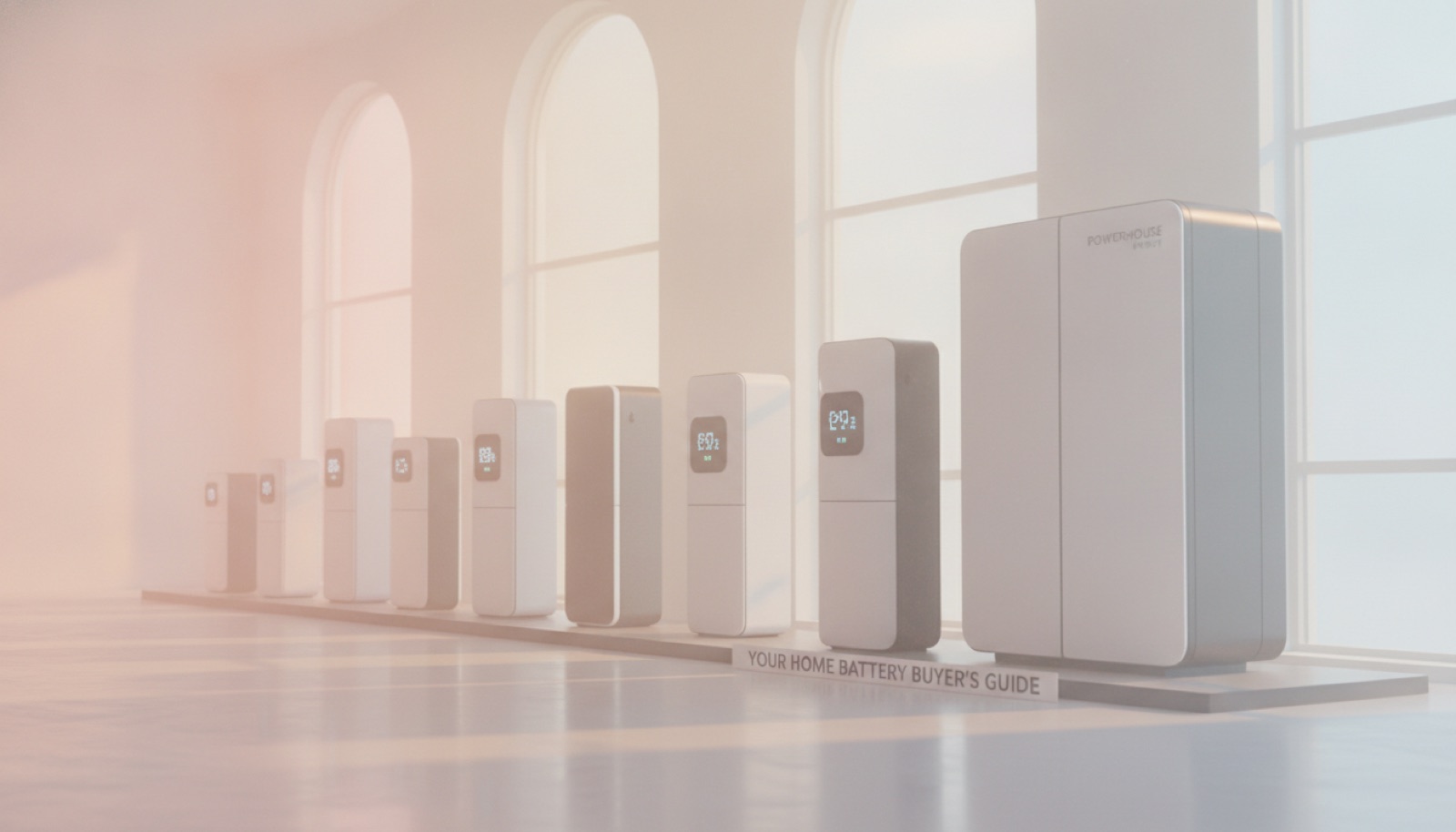
A home battery turns your rooftop solar from a daytime helper into an around-the-clock partner, storing the sunshine you make at noon so you can use it after dark. But with a growing range of options, choosing the right one can feel daunting. This guide cuts through the jargon so you can decide with confidence.
Getting the size right
Battery capacity is measured in kilowatt-hours, the same unit on your electricity bill. The right size depends on how much energy you use in the evening, how much surplus solar you generate during the day, and what you want the battery to do. A common starting point is to look at your overnight consumption, the energy you draw between sunset and sunrise, and size the battery to cover most of it.
Bigger is not always better. An oversized battery that rarely fills completely is wasted money, while an undersized one leaves you buying from the grid each evening. Many households land in a comfortable middle range that captures their daily solar surplus and carries them through the peak evening hours.
Chemistry, backup and savings
Most modern home batteries use lithium chemistries. Lithium iron phosphate has become a favourite for homes because it is stable, long-lasting and tolerant of daily cycling, often rated for many thousands of charge cycles. When comparing products, look at the warranty, the usable capacity rather than the headline figure, and the round-trip efficiency, which tells you how much energy survives the journey in and out of the battery.
Decide early whether your priority is savings, backup or both. A battery set up purely for savings cycles every day to dodge the evening peak. A battery configured for backup keeps a reserve charged so your essential circuits stay powered during a blackout. Many systems do both, but true whole-home backup needs the right inverter and switchgear, so flag it with your installer from the start.
- Savings focus: cycle daily, keep little reserve, maximise self-consumption
- Backup focus: hold a reserve, protect essential circuits during outages
- Balanced setup: blend both with a smart inverter and clear priorities
- Future EV: leave headroom for charging from stored solar
VPP readiness matters
If you might join a virtual power plant, choose a battery and inverter that are certified for VPP participation. VPP-ready hardware can be safely and remotely orchestrated, letting your battery earn from grid-support markets while still serving your home first. Not every battery is compatible with every VPP, so checking this before you buy can unlock a valuable income stream later.
Choosing a battery is really about matching technology to your life. Picture how your household uses energy, how much resilience you want during outages, and whether you would like your storage to earn while it works. Get those answers clear, choose quality hardware with a strong warranty, and your battery becomes a quiet, dependable heart for your home energy network, storing sunlight today and sharing it for years to come.
Keep reading

How Virtual Power Plants Turn Neighbourhoods Into Power Stations
A virtual power plant links thousands of home batteries into one coordinated network that supports the grid and rewards the people who power it.

Is Home Solar Still Worth It in 2026?
Feed-in tariffs have softened, but self-consumption, batteries and smarter habits make rooftop solar more rewarding than ever in 2026.

Community Solar for Renters and Shaded Roofs
No roof, a shaded one, or a landlord who says no? Community solar gardens let renters and apartment dwellers tap into clean energy and real savings.
Ready to join the horizon?
Let's design a clean-energy system that powers your place and strengthens the whole network around it.