Is Home Solar Still Worth It in 2026?
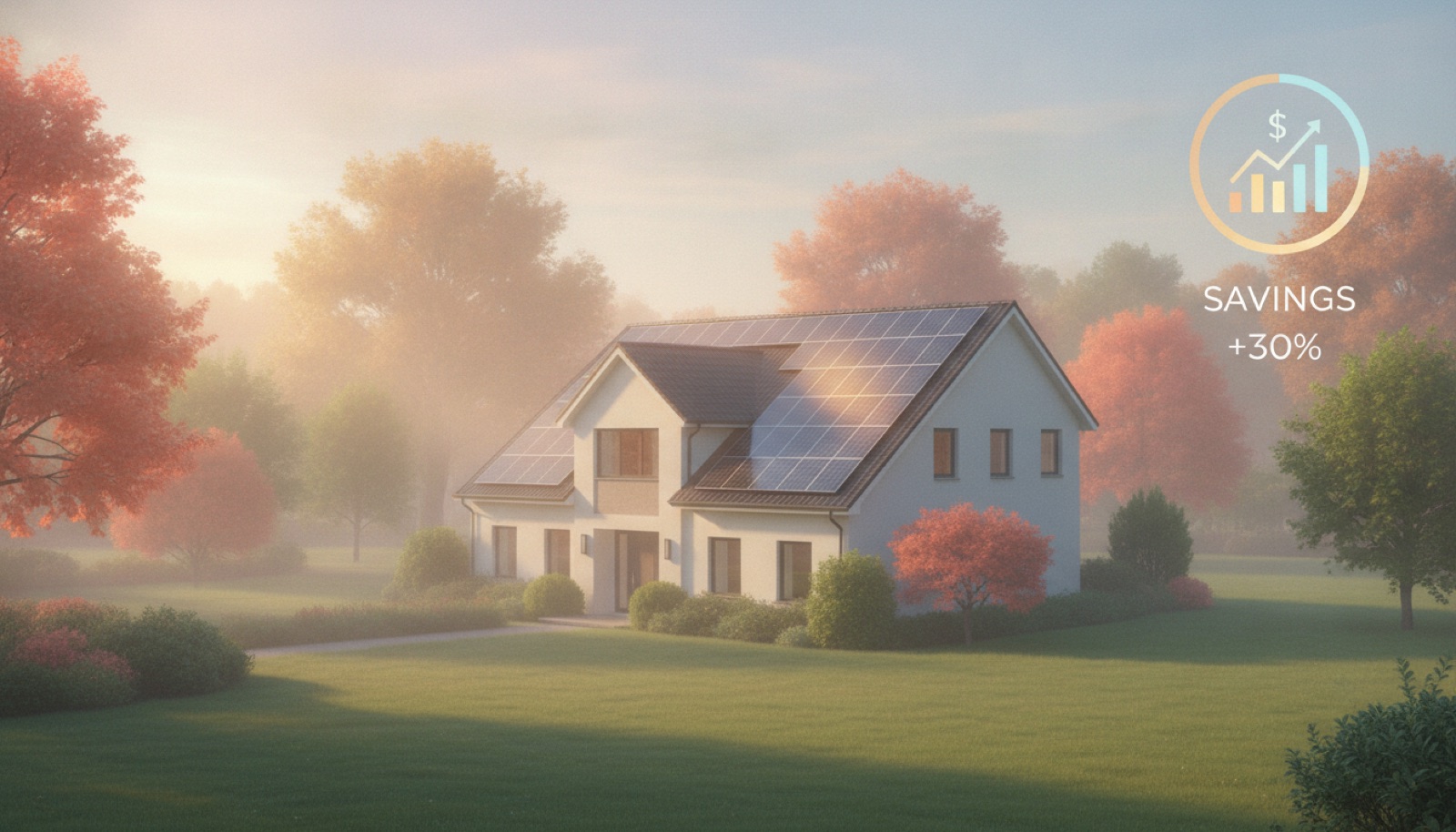
It is one of the most common questions we hear: with feed-in tariffs lower than they once were, does rooftop solar still pay off in 2026? The short answer is a confident yes, but the reasons have shifted. The era of being paid handsomely to export every spare electron is fading. In its place is a smarter, more rewarding model built around using your own sunshine.
Understanding payback in 2026
Payback is simply the time it takes for your savings to cover the cost of the system. A well-sized residential array today often pays for itself within five to eight years, and quality panels carry performance warranties of twenty-five years or more. That leaves well over a decade of essentially free daytime electricity once the system has paid for itself. Rising grid prices, ironically, shorten payback further, because every kilowatt-hour you generate is one you no longer buy at retail rates.
The biggest variables are your roof, your usage pattern and your tariff. A north-facing roof with little shading captures the most sun, while east and west orientations spread generation across the morning and afternoon, which can suit households that use power at the edges of the day.
Why self-consumption beats exporting
Here is the shift that matters most. A feed-in tariff might pay you a modest amount per exported kilowatt-hour, but avoiding a purchase from the grid saves you the full retail rate, which is often several times higher. So the goal in 2026 is no longer to export as much as possible; it is to consume as much of your own generation as you can.
- Run dishwashers, washing machines and pool pumps during sunny hours
- Pre-cool or pre-heat your home while the sun is high
- Charge an electric vehicle from midday solar rather than the evening grid
- Add a battery to shift surplus daytime sun into the evening peak
With a few timing habits, many households lift their self-consumption from around thirty per cent to well over half, and that single change can transform the economics of a system.
What affects your savings
Beyond orientation and habits, your savings depend on system size, panel and inverter quality, local electricity prices and whether you pair solar with storage. Government incentives and small-scale certificates still reduce upfront costs in 2026, and joining a virtual power plant can add another income stream on top of self-consumption savings. Maintenance is minimal, but a clean, unshaded array and a healthy inverter keep generation at its peak.
So is home solar worth it? For most households with a suitable roof, the answer is an emphatic yes. The rewards simply come from a different place than they used to, from clever self-consumption rather than generous exports. Think of your roof as a small, dependable power station that quietly trims your bills, shields you from rising prices and connects you to a cleaner grid. In 2026, the sun is still one of the best investments a home can make, and the value only grows as energy prices climb and storage gets smarter.
Keep reading

How Virtual Power Plants Turn Neighbourhoods Into Power Stations
A virtual power plant links thousands of home batteries into one coordinated network that supports the grid and rewards the people who power it.
Choosing the Right Home Battery: A Plain-English Guide
Sizing, chemistry, backup versus savings and VPP readiness, explained simply so you can choose a battery that fits your home and your goals.

Community Solar for Renters and Shaded Roofs
No roof, a shaded one, or a landlord who says no? Community solar gardens let renters and apartment dwellers tap into clean energy and real savings.
Ready to join the horizon?
Let's design a clean-energy system that powers your place and strengthens the whole network around it.