How Virtual Power Plants Turn Neighbourhoods Into Power Stations
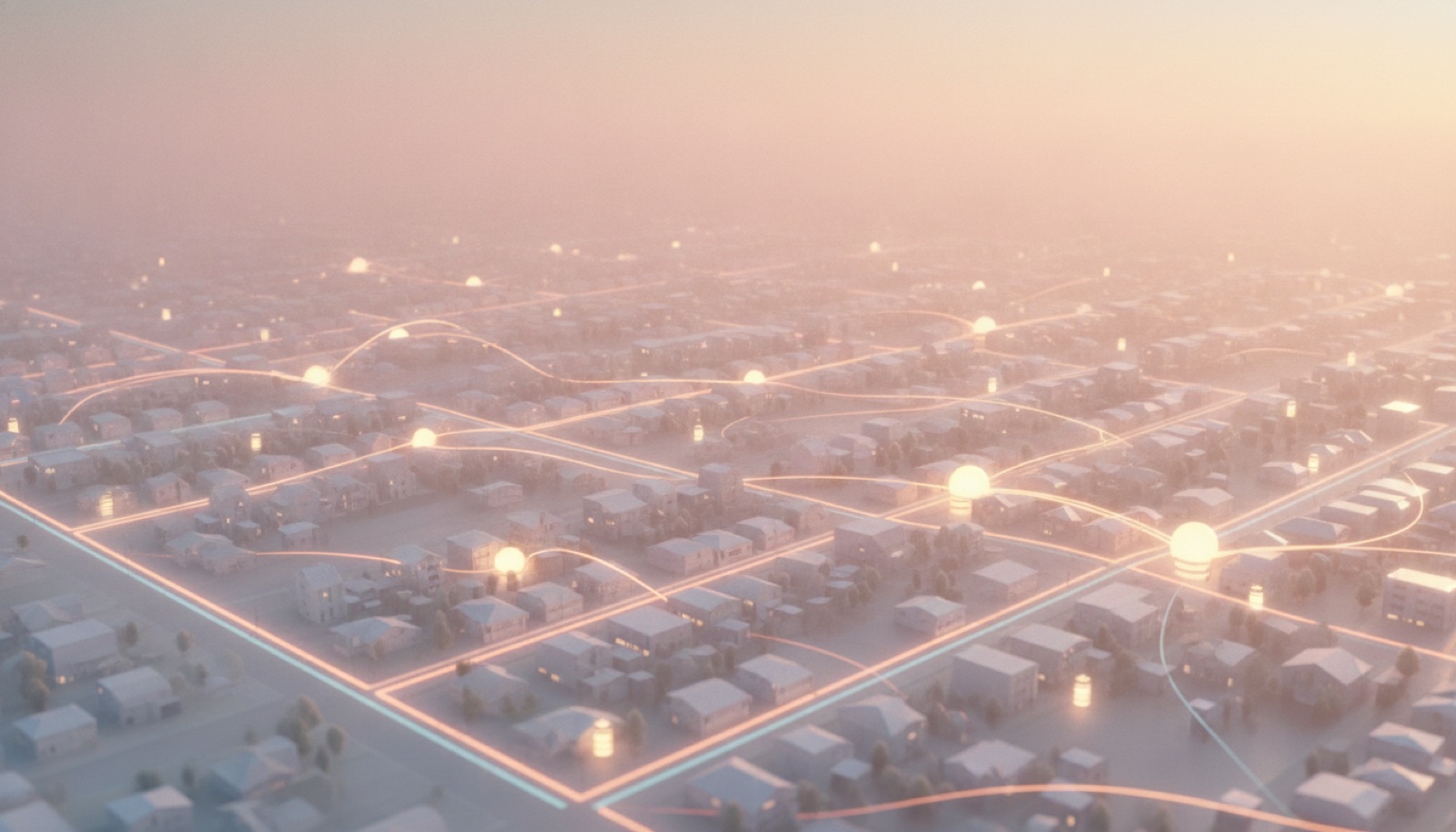
Imagine your street on a hot summer evening. Air conditioners hum, dinners cook, and the grid strains to keep up. Now imagine that every home with a battery quietly sends a little stored sunshine back into the network at exactly the right moment, smoothing the peak so no one notices a thing. That is the quiet magic of a virtual power plant, and it is reshaping how Australian communities share energy.
A virtual power plant, or VPP, is not a building with chimneys. It is a software-orchestrated fleet of distributed energy resources, mostly rooftop solar and home batteries, woven together so they behave like a single, flexible power station. The plant is virtual because the generation is spread across thousands of homes, yet the coordination is real, precise and measured in seconds.
How home batteries are orchestrated
Each participating home keeps its own battery and its own priorities. When you join a VPP, you grant permission for the network to charge and discharge a portion of your stored energy at moments that benefit the wider grid. A cloud platform watches wholesale prices, weather forecasts and grid frequency, then sends gentle signals to each battery. The result is a synchronised response that no single household could achieve alone.
Crucially, you stay in control. Most VPPs let you reserve a backup buffer so your lights stay on during an outage, and you can set limits on how often your battery is called upon. The orchestration is designed to be invisible during daily life and generous when the grid needs a hand.
- Sunny middays: surplus solar charges batteries across the network
- Evening peaks: batteries discharge together to ease grid demand
- Grid events: rapid, coordinated response stabilises frequency
- Quiet periods: your reserved backup capacity stays untouched
What members actually earn
The financial story is where a VPP becomes genuinely exciting. Members are typically rewarded in several ways: an upfront sign-on credit, ongoing payments for every kilowatt-hour the network dispatches from their battery, and access to cheaper energy plans negotiated for the whole fleet. Because the VPP can sell coordinated capacity into wholesale and grid-support markets, it captures value that an isolated battery never could, then shares it back with members.
Earnings vary with how active the network is and how much capacity you make available, but many households find their battery pays for itself faster inside a VPP than outside one. You are no longer just a consumer trimming a bill; you are a small generator earning from a market.
A grid that belongs to everyone
The deeper promise of virtual power plants is communal. When neighbourhoods pool their stored sunlight, they reduce the need for expensive peaking plants, lower emissions and build resilience against blackouts. Every home that joins makes the whole network stronger and the whole community a little more self-reliant. At Helios Horizon we see VPPs as the connective tissue of a sunlit grid, a way to turn private rooftops into shared abundance. Join one, and your home becomes part of something far larger than itself: a power station made of neighbours.
Keep reading
Is Home Solar Still Worth It in 2026?
Feed-in tariffs have softened, but self-consumption, batteries and smarter habits make rooftop solar more rewarding than ever in 2026.
Choosing the Right Home Battery: A Plain-English Guide
Sizing, chemistry, backup versus savings and VPP readiness, explained simply so you can choose a battery that fits your home and your goals.
Community Solar for Renters and Shaded Roofs
No roof, a shaded one, or a landlord who says no? Community solar gardens let renters and apartment dwellers tap into clean energy and real savings.
Ready to join the horizon?
Let's design a clean-energy system that powers your place and strengthens the whole network around it.