The Circular Solar Panel: Recycling for a Cleaner Future
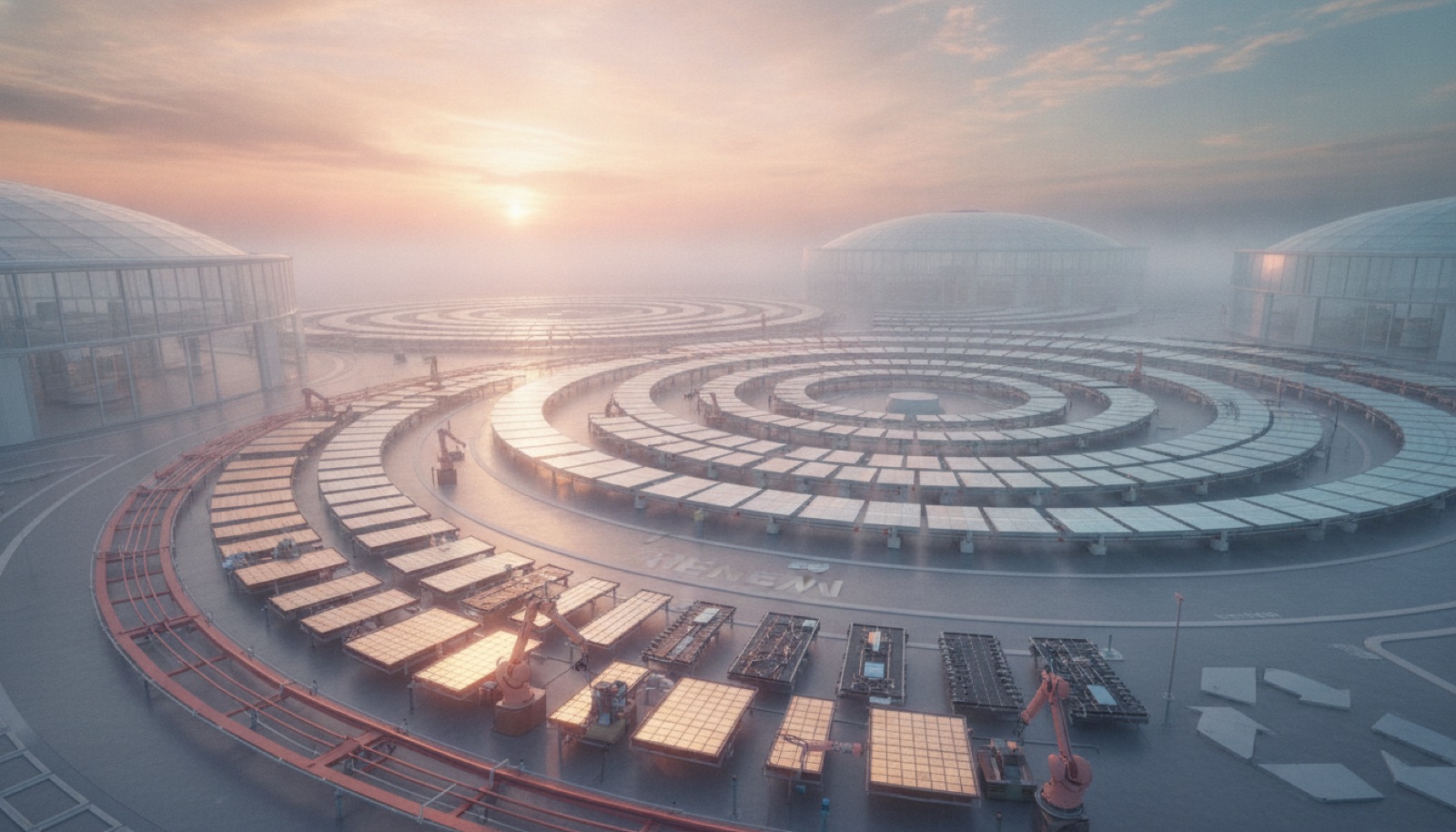
Solar panels are built to last. A quality module can generate clean power for twenty-five to thirty years, quietly harvesting sunshine through countless seasons. But even the most durable panel eventually retires, and as the first big waves of rooftop solar reach the end of their working lives, an important question arises: what happens next? The answer is a circular economy, and it is the key to keeping clean energy genuinely clean.
Why panels deserve a second life
A solar panel is a small treasury of valuable materials. Beneath its protective glass lie silicon cells, aluminium framing, copper wiring and traces of silver, all of which took energy and effort to produce. Sending a retired panel to landfill wastes those resources and squanders the embodied energy locked inside it. Recovering and reusing them, by contrast, reduces mining, lowers emissions and shrinks the environmental footprint of every new panel that follows.
Circularity is simply the practice of designing waste out of the system. Instead of a straight line from manufacture to landfill, materials travel in a loop, returning again and again to useful life. For solar, that loop turns yesterday's panels into tomorrow's raw materials.
How solar recycling works
Modern recycling for solar panels has matured quickly. A retired module is first checked to see whether it can be repaired or repurposed, perhaps for an off-grid shed or a community project. If it is truly spent, specialist facilities separate it into its component streams, recovering the bulk of its materials for reuse.
- Glass: cleaned and remelted for new glass products
- Aluminium frames: recycled almost endlessly with little quality loss
- Silicon and silver: recovered for new cells and electronics
- Copper wiring: reclaimed and returned to the metals supply chain
Recovery rates keep climbing as the technology improves, and a well-run process can reclaim the large majority of a panel by weight. The aim is a future where almost nothing from a retired array is wasted.
Building circularity into the network
A truly sustainable energy network thinks about the whole life of its hardware, not just the sunny middle years. That means choosing reputable manufacturers, supporting take-back and recycling schemes, and treating end-of-life panels as a resource rather than rubbish. As more households and communities embrace solar, responsible recycling ensures the movement stays as green at its end as it is at its dawn.
At Helios Horizon we believe clean energy should be clean from cradle to cradle. A solar panel that powers a home for decades and then returns its materials to make new panels is one of the most hopeful images in the energy transition: a loop of sunshine and silicon that never truly ends, only begins again. That is the circular solar panel, and it is how we keep the future bright without leaving a mess behind.
Keep reading
How Virtual Power Plants Turn Neighbourhoods Into Power Stations
A virtual power plant links thousands of home batteries into one coordinated network that supports the grid and rewards the people who power it.
Is Home Solar Still Worth It in 2026?
Feed-in tariffs have softened, but self-consumption, batteries and smarter habits make rooftop solar more rewarding than ever in 2026.
Choosing the Right Home Battery: A Plain-English Guide
Sizing, chemistry, backup versus savings and VPP readiness, explained simply so you can choose a battery that fits your home and your goals.
Ready to join the horizon?
Let's design a clean-energy system that powers your place and strengthens the whole network around it.