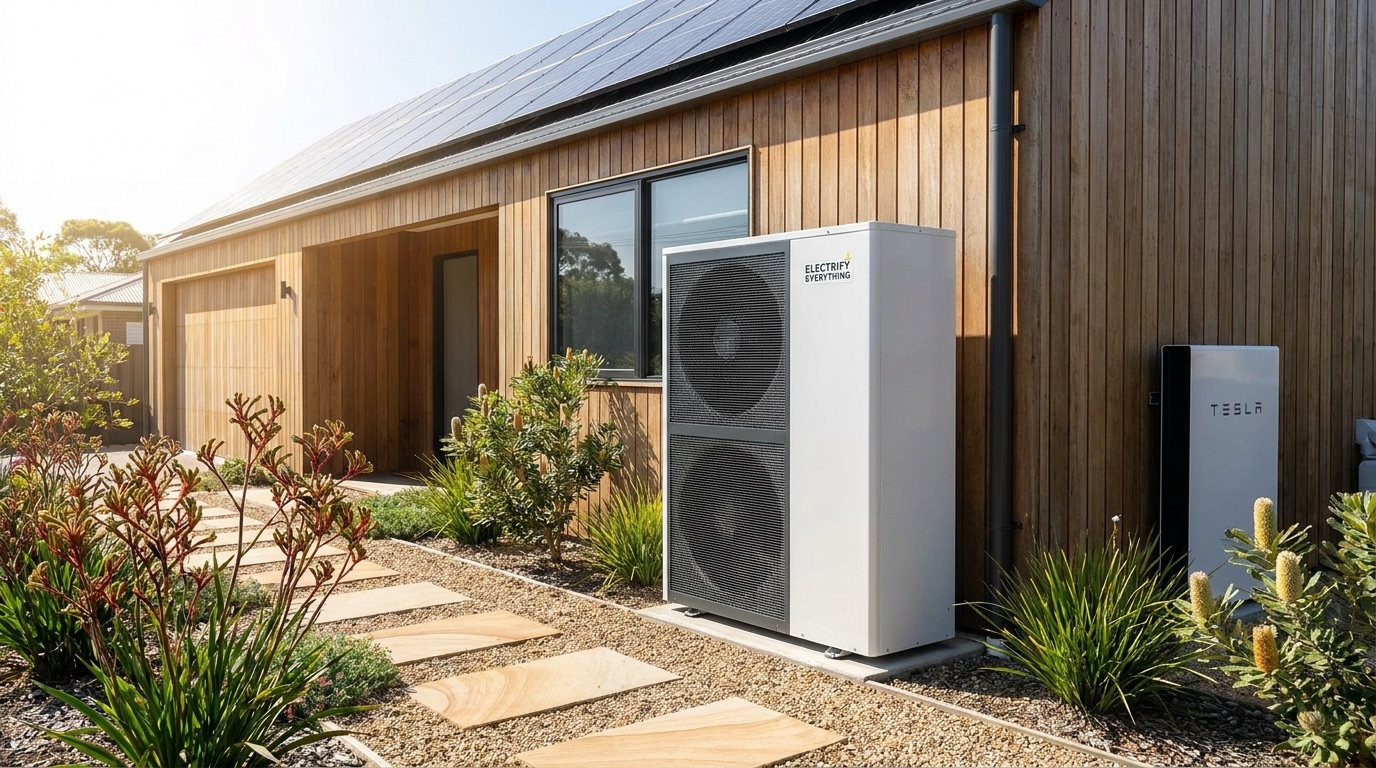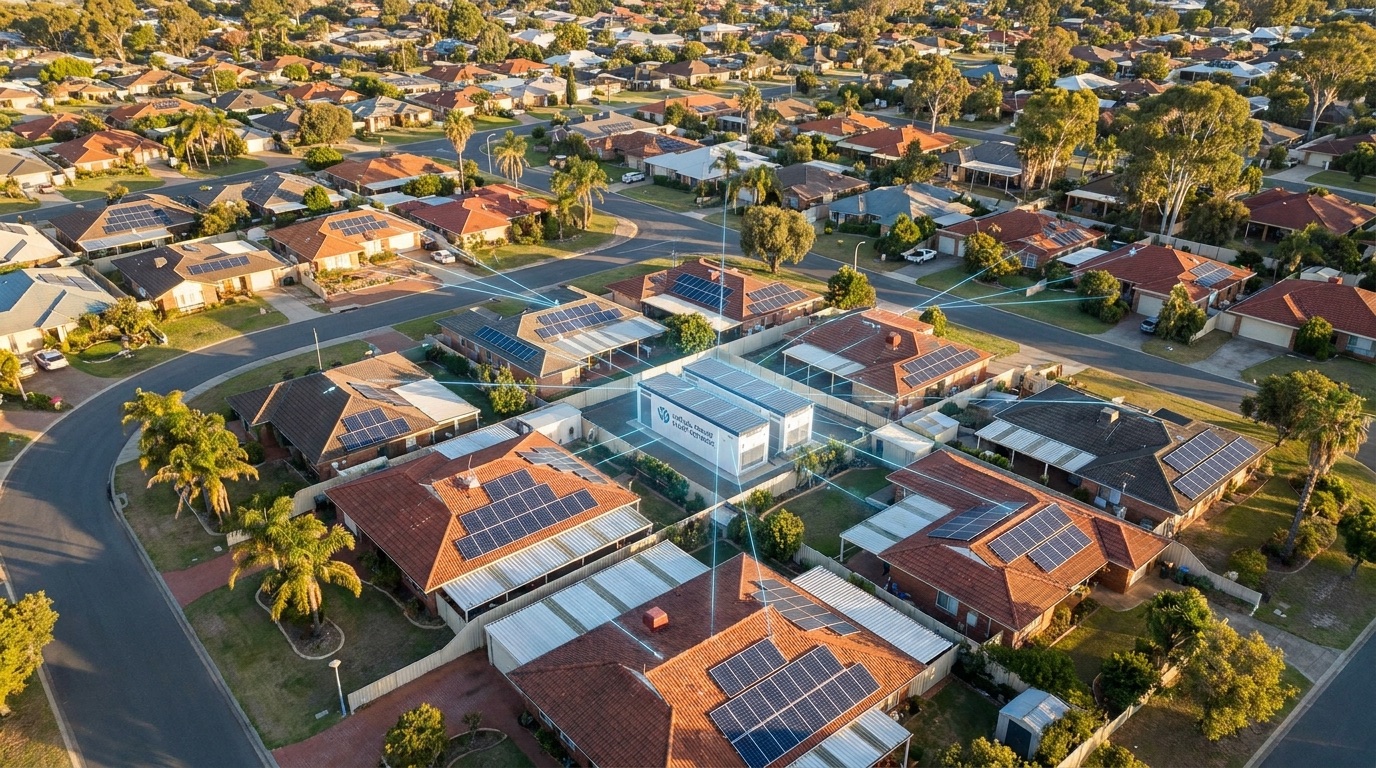
Somewhere out there is a power station that has no smokestack, no turbine hall, and no single address. It is ten thousand home batteries scattered across a region, all sitting quietly in garages and on garden walls, woken at the same instant by a signal to do one thing together. That is a virtual power plant, and it is one of the most flexible assets on the modern grid. The surprising part is that yours can join it and earn while it does.
It sounds like something only a utility could build. In truth, it is built from ordinary homes that decided to own their power — and then lend a slice of it back, on their own terms.
Many small batteries, one big lever
On its own, a home battery is a personal safety net — it stores your solar by day and runs your house by evening. A virtual power plant, or VPP, links thousands of those batteries through software so they can act in unison. When the grid is strained on a scorching afternoon, the operator sends a signal and all of them discharge a little at once. Together they deliver as much power as a small gas plant, but faster and cleaner.
- Each battery stays under your control and keeps your home backed up
- Software pools them into one responsive block of capacity
- The operator dispatches them in seconds when the grid needs help
- You are paid for the energy and the standby flexibility you provide
- Your own backup and self-consumption always come first
The grid loves this because batteries respond almost instantly, far quicker than a power plant that has to spin up. A VPP can soak up surplus solar at midday and pour it back at the evening peak, smoothing out exactly the swings that renewables create.
What it means for your home
Joining a VPP does not mean handing over your battery. You set the rules — usually a reserve floor the operator can never touch, so there is always enough charge left to ride out a blackout. Within that boundary, you let the software trade the surplus, and in return you collect payments you would never see from a battery sitting idle.
Your battery still guards your home first; the VPP just puts its spare hours to work.
The economics vary by program, but the shape is consistent. You earn from energy you export at the right moment, from being on standby as reserve capacity, and sometimes from a sign-up incentive that shaves money off the battery itself. For many households those payments meaningfully shorten the payback on storage they were going to buy anyway.
Is it worth joining?
A VPP is not for everyone, and the fine print matters. Before you opt in, weigh a few things honestly so the deal serves your independence instead of quietly eroding it.
- The reserve you keep for your own blackouts
- How often the operator can call on your battery
- Whether extra cycling affects your battery warranty
- How and how much you actually get paid
Done right, a VPP turns a battery you bought for your own resilience into a quiet little income stream, and your home into one cell of a cleaner grid — without ever giving up control of your own power. If you want to know which programs fit your battery and your goals, book a free assessment with Sunburst Paradigm and we will lay out the real numbers.