Anyone can size a battery to keep a refrigerator humming for a few hours. Sizing one to carry your household through a real outage — the kind that drops the grid for three days while the storm clears — is a different discipline. It is not about buying the biggest box you can afford. It is about knowing exactly what you need to run, for how long, and building the smallest honest system that delivers it.
Do this math once and a blackout stops being an emergency and becomes a quiet evening at home. Here is the method we walk through with every household.
Decide what survives the outage
You do not need to power the whole house during a blackout. You need to power the loads that matter, and most homes split cleanly into three tiers. Critical loads keep you safe and your food cold. Comfort loads keep morale up. Luxury loads are everything you can happily live without for a few days. Sort your house into those tiers honestly and you have already cut your battery size in half.
- Critical: fridge, freezer, well pump, medical devices, a few lights
- Comfort: internet, phone charging, a fan or one heating zone
- Luxury: clothes dryer, oven, second fridge, the hot tub
- Hard exclusions you will simply switch off until grid returns
Add up the daily kilowatt-hours of just the critical and comfort tiers. That number, not your normal usage, is what your blackout battery has to deliver each day. For most households it lands somewhere between five and twelve kWh a day once the luxuries are off the table.
Multiply by days, then by reality
Now decide how many days of autonomy you want. One day covers a routine outage. Three days covers a serious storm. Multiply your daily critical load by that number of days and you have your raw energy target. But raw is not real — you have to layer in the losses every system carries before you land on the size you actually buy.
Size for the third dark day, not the first — that is when a battery earns its keep.
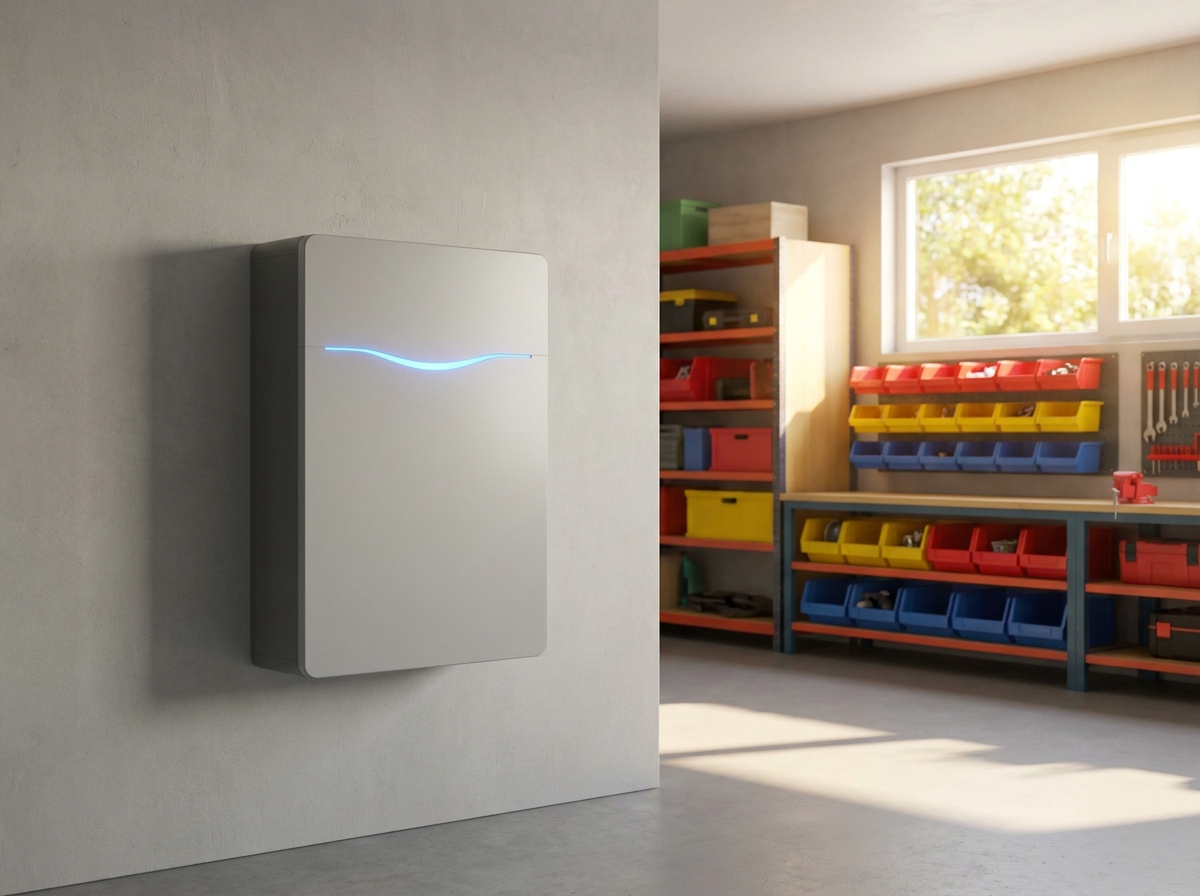
Lithium batteries should not be drained to zero, so plan to use around eighty to ninety percent of rated capacity. Inverters and round-trip losses skim off a bit more. And in winter, cold batteries deliver less than their nameplate. Stack those factors and your real-world battery needs to be meaningfully larger than the bare energy math suggests.
Where solar carries the load
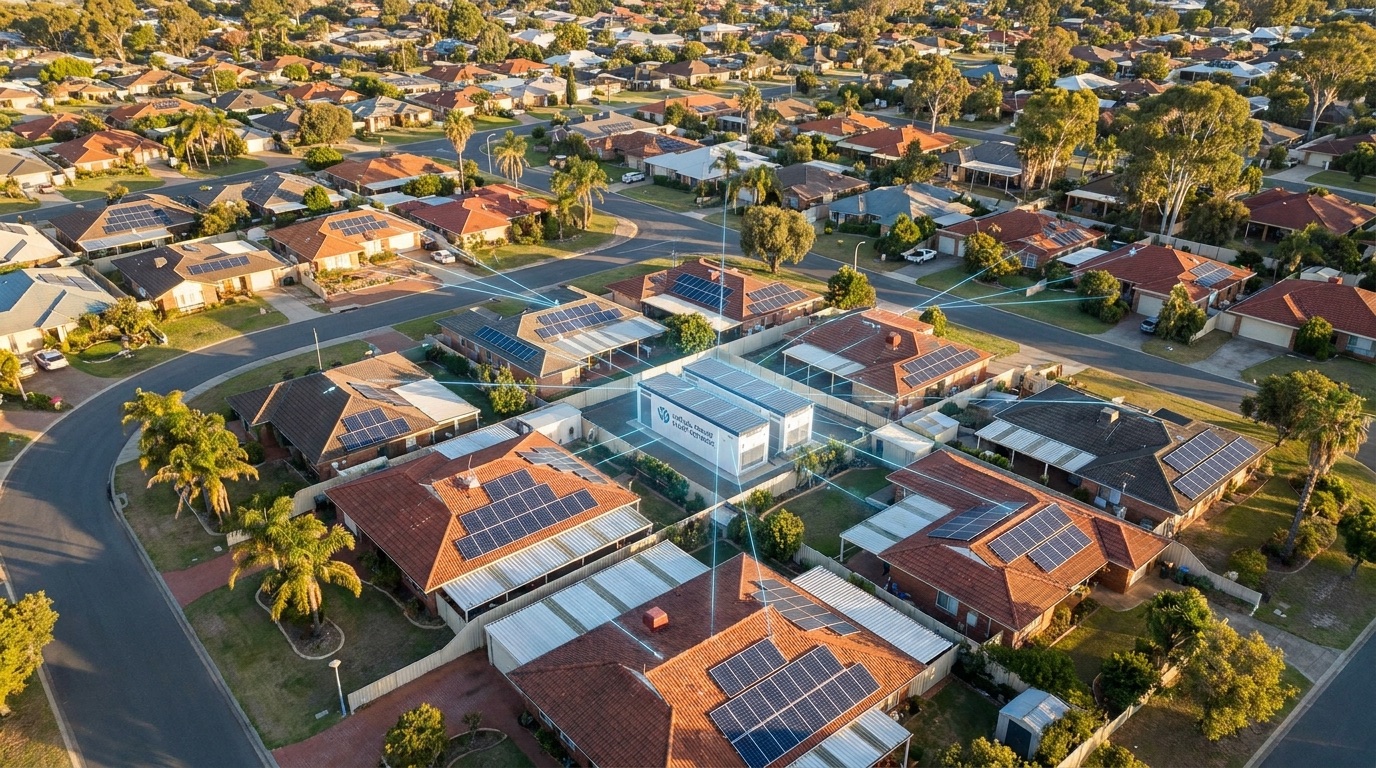
Here is the part people miss: in a multi-day outage, your battery is not flying solo. If your panels can keep producing, they recharge the battery each morning, and you only need enough storage to bridge from sundown to sunrise plus a cloudy-day cushion. That can shrink a three-day battery dramatically — as long as your array and battery are wired to keep working when the grid is down.
- Confirm your inverter supports off-grid or islanding operation
- Daily solar harvest in your darkest, stormiest month
- A cushion for back-to-back overcast days
- A manual transfer plan so critical circuits are easy to isolate
Get this right and a three-day blackout becomes a non-event — the fridge stays cold, the pump still runs, and you barely notice the neighborhood went dark. If you want help sorting your loads and sizing the battery that actually carries your household through, book a free assessment with Sunburst Paradigm and we will run the numbers on your real home.