In the autumn of 1973 the oil stopped flowing, the price quadrupled, and a generation that had taken cheap energy for granted suddenly found cars lined up around the block. Out of that shock came a strange and beautiful idea: what if a household could make its own power and never be held hostage again? The first solar boom was not born in a lab. It was born in the back-to-the-land movement, in barns and workshops, among people who simply wanted out.
Half a century later, with panels on millions of roofs, it is easy to forget how radical that early crowd was. But the spirit they brought to it — self-reliance over dependence — is exactly the spirit worth keeping.
An idea forged in a crisis
The technology already existed. Bell Labs had built a working silicon solar cell back in 1954, and it had quietly powered satellites for years. What the 1970s added was motivation. When energy stopped being cheap and started being political, ordinary people went looking for a way to step off the treadmill, and the sun was the one supplier nobody could embargo.
By 1979 there were solar panels on the roof of the White House and a federal tax credit pushing adoption. Magazines ran plans for homemade collectors. A whole cottage industry of small builders sprang up, selling the promise that a family could heat its water and light its home with hardware it understood and owned outright.
They were not buying panels — they were buying their way off someone else’s leash.
What they got right
The early systems were crude by today’s standards. Panels were expensive and inefficient, batteries were heavy and short-lived, and a lot of those first installs did not survive the decade. But strip away the rough edges and the pioneers understood something the rest of us took another forty years to relearn.
- Energy independence is freedom, not just savings
- The cheapest kilowatt-hour is the one you do not waste
- Hardware you understand is hardware you can keep running
- A home that makes its own power answers to no one
- Resilience is worth paying for before you need it
They were right that the sun was the answer and only a little early on the engineering. When the oil panic faded and prices fell, the political will faded with it. The panels came off the White House roof in 1986, and the first solar boom went quiet for a generation. The dream did not die, though — it just waited for the technology to catch up.
The same spirit, better tools
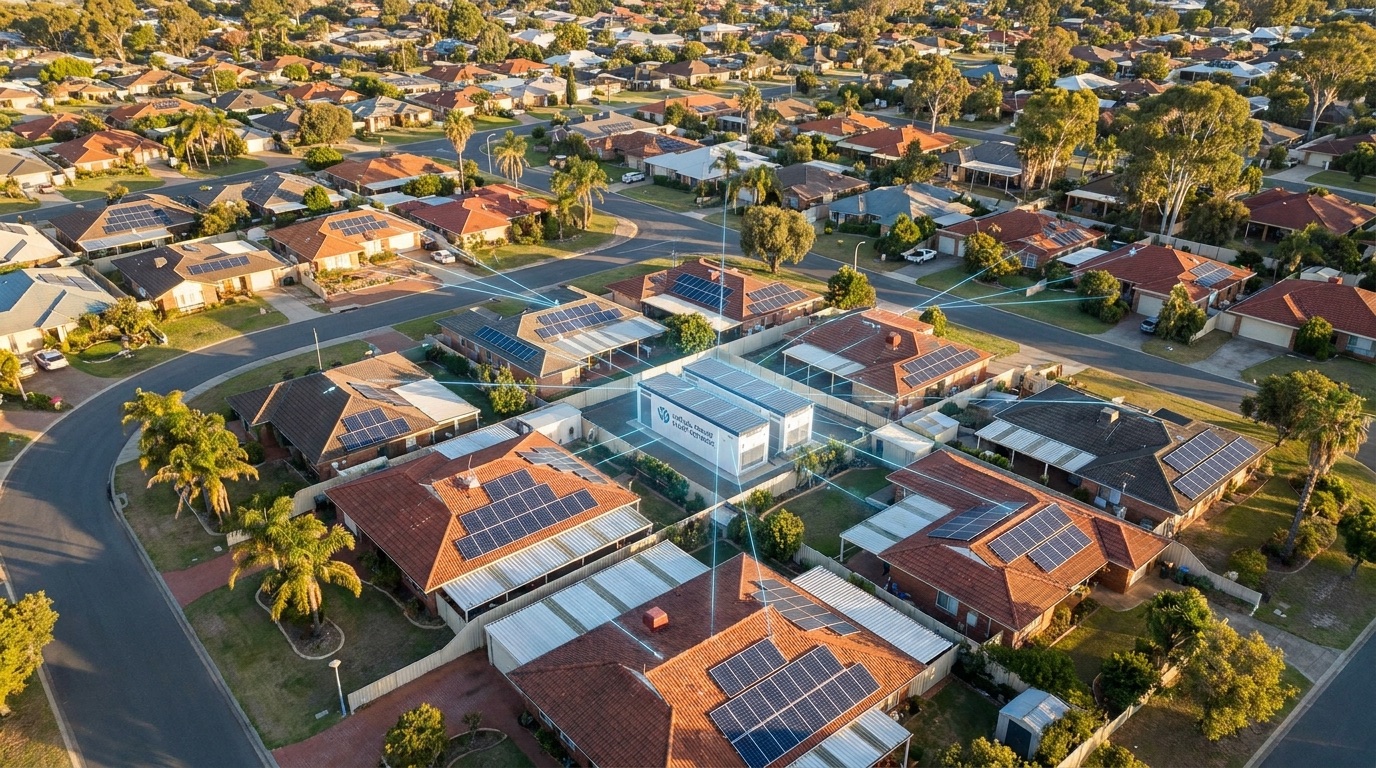
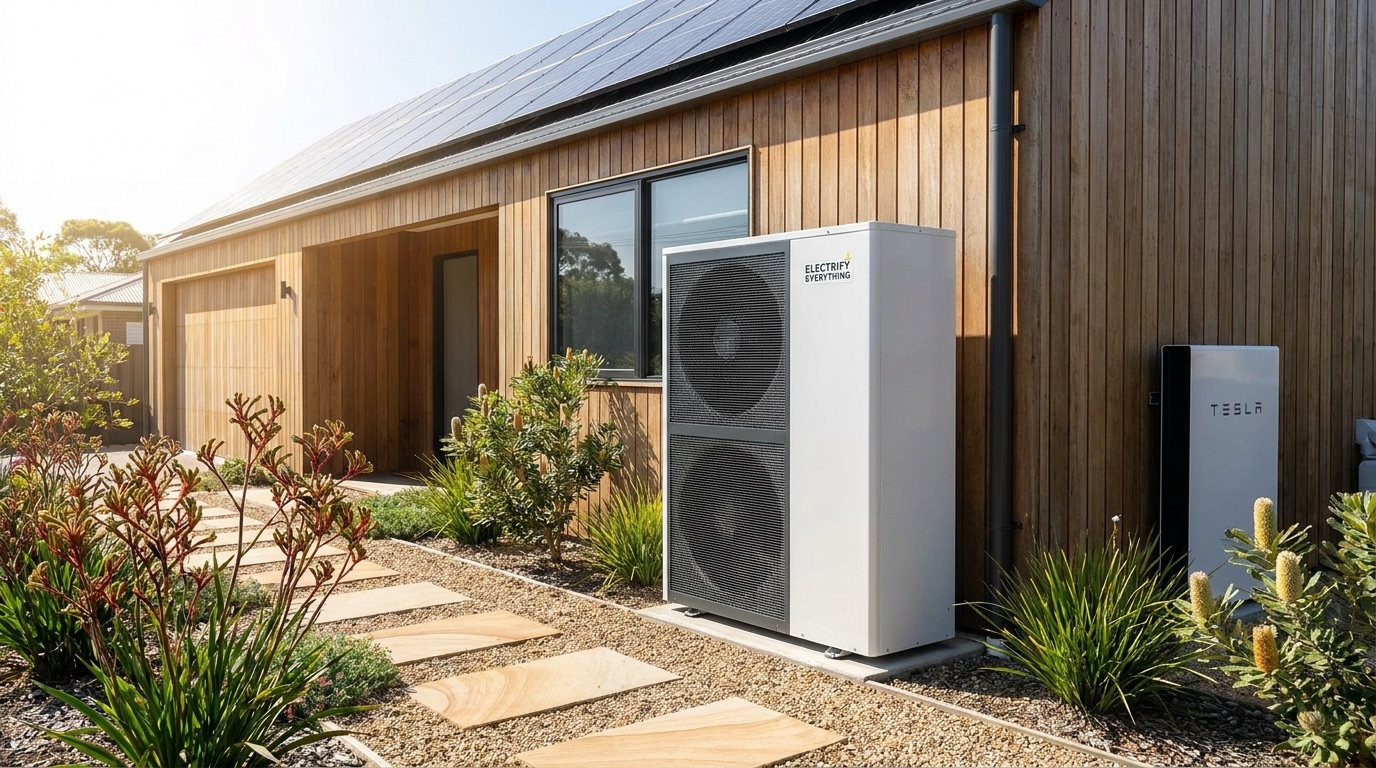
What changed everything was cost. Solar panels are now a small fraction of their 1970s price, batteries last for thousands of cycles, and the inverters are smart enough to run your house through a blackout without you lifting a finger. The hardware finally lives up to the idea those pioneers had all along.
So when you put solar on your roof today, you are not chasing a trend. You are picking up a torch that was lit in a fuel line in 1973 by people who decided they would rather make their own power than ask permission for it. If that spirit speaks to you, book a free assessment with Sunburst Paradigm — and let’s finish what they started.