A solar quote is a promise about the future, and most people read only the first line of it — the price. But the sticker number tells you almost nothing about whether the system pays you back in seven years or fifteen. The honest math lives in the spread between what you spend today and what you stop spending every month for the next quarter century. Learn to read that spread and you control the deal instead of the salesperson.
Payback is simply the day your accumulated savings catch up to what you paid. Everything after that day is free power. Here is how to find that day before you sign.
Start with the spread, not the sticker
Take your net system cost after rebates and tax credits — the real number leaving your account. Then figure out what the system saves you in a year: the grid power you no longer buy, plus anything you earn exporting surplus, minus a small allowance for maintenance. Divide cost by annual savings and you have a rough payback in years. Crude, but it puts every quote on the same honest footing.
- Net cost after every rebate and credit you actually qualify for
- Annual grid power avoided, valued at your real per-kWh rate
- Export earnings — usually a fraction of what you pay to buy
- How much of your day-rate the battery lets you dodge
- A maintenance allowance — inverters and batteries are not forever
Two quotes can carry the same price and have wildly different paybacks, because one self-consumes seventy percent of its harvest and the other dumps it to the grid for pennies. The system that keeps your own power on your own property almost always wins.
Why storage changes the equation
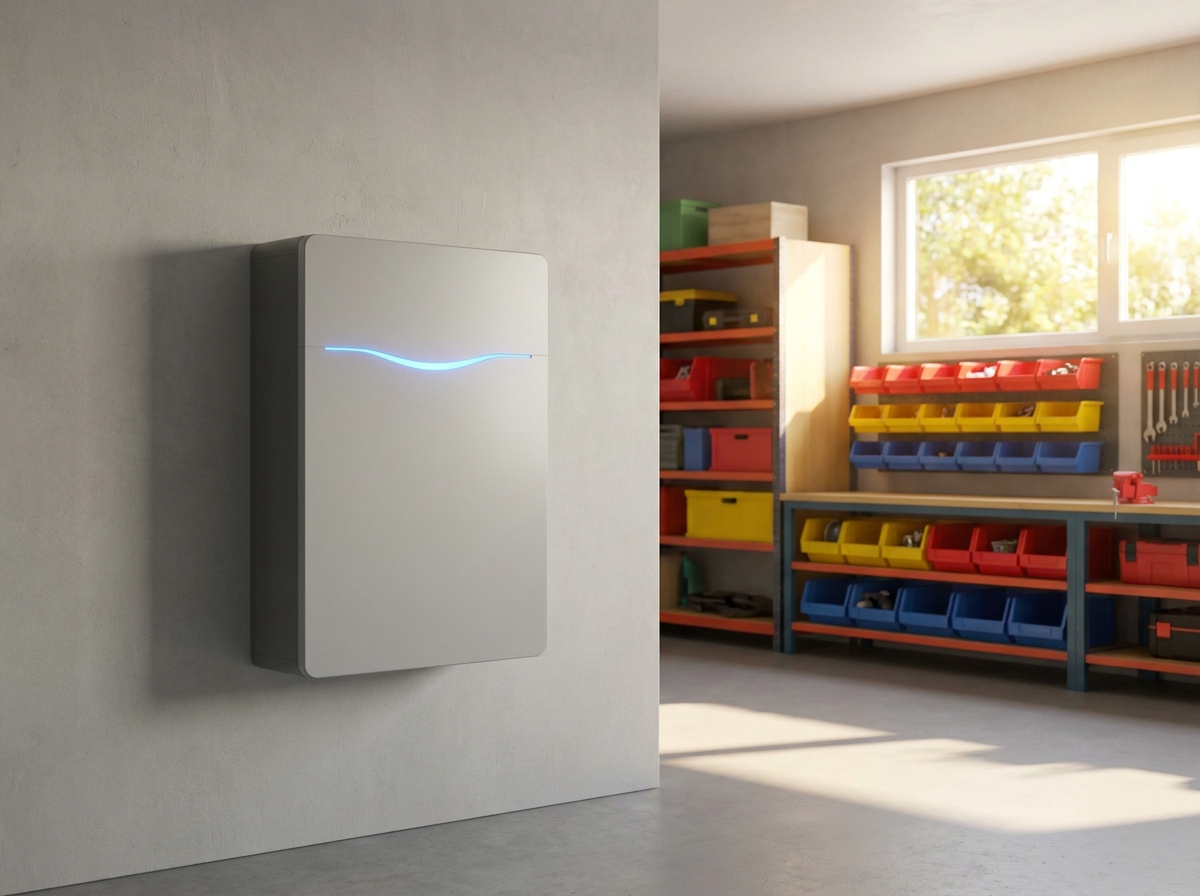
Panels alone save you most when the sun is up and you are home to use it. A battery moves that sunshine into the evening, when rates are highest and the array is asleep. The value of storage is the gap between the cheap daytime power you store and the expensive peak power you avoid buying. The wider your utility’s time-of-use spread, the harder a battery works for you.
Solar earns its keep at noon; storage earns its keep at six o’clock when the rates spike.
Storage rarely beats panels on raw payback, and that is fine — you are not buying a battery only to chase the fastest return. You are buying the freedom to ride out a peak-rate evening and a blackout on your own terms. Price that independence honestly and a battery still pencils out for most households on a time-of-use plan.
The numbers that quietly move payback
Two assumptions can swing your payback by years, and quotes love to bury them in the fine print. The first is the rate-escalation figure — how fast your installer assumes grid power gets more expensive. The second is degradation, the slow fade of panel output over decades. Ask for both, and ask what happens if they are wrong.
- Assumed annual utility rate increase — be skeptical of rosy figures
- Panel degradation, usually around half a percent a year
- Inverter replacement, likely once across the system’s life
- Battery cycle warranty and what it costs to replace later
Once you can read a quote this way, the right system stops being the cheapest one and becomes the one that pays you back soonest and keeps paying for decades. If you want us to run your real rates, your real roof, and your real load through this math, book a free assessment with Sunburst Paradigm — we will show you the exact month your system flips from cost to income.