Architecture that generates power
Photovoltaics engineered into facades, skylights, and roofing — power generation as a design feature.
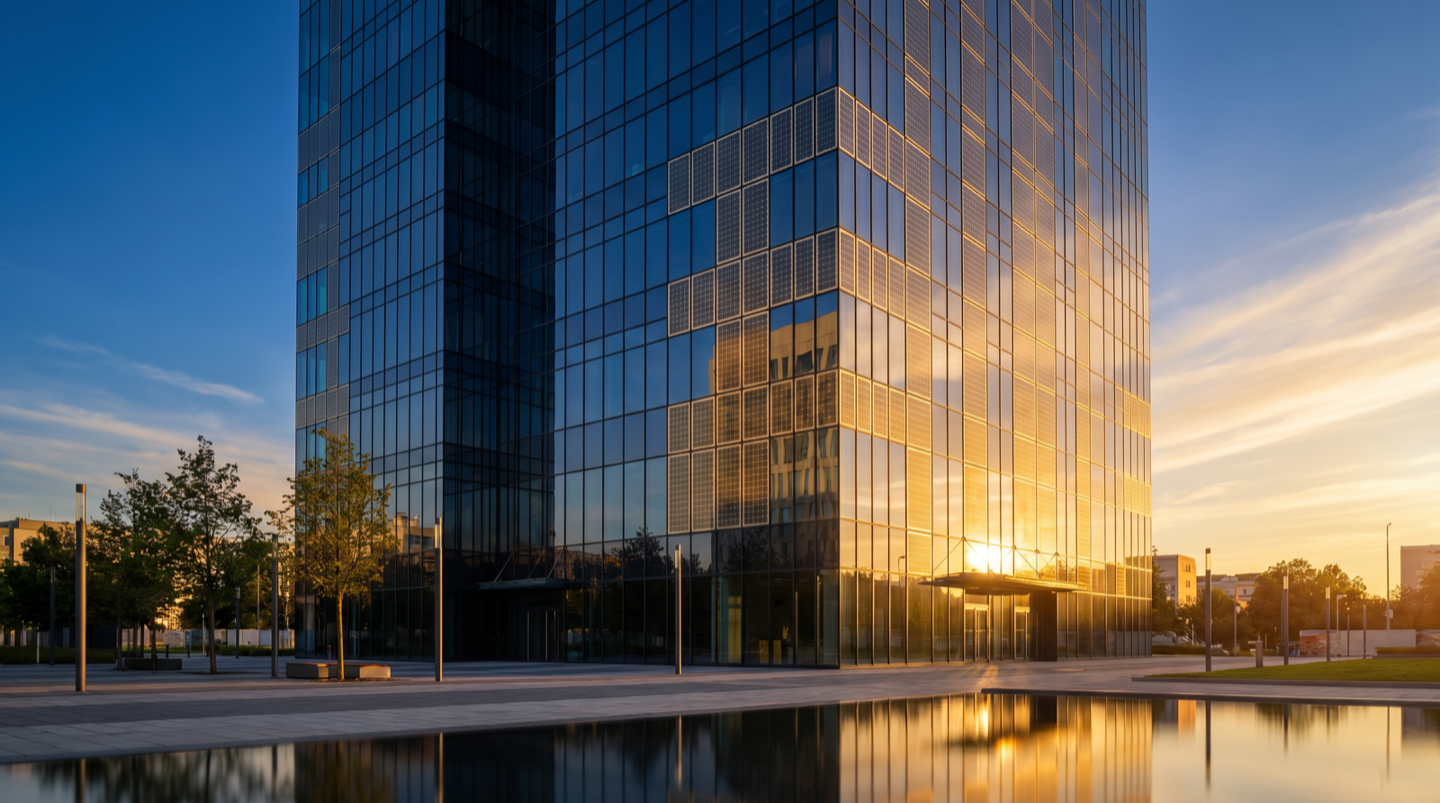
Building-integrated photovoltaics represent the convergence of architecture and energy generation, where the envelope of a building ceases to be merely a protective skin and becomes a productive asset. Rather than mounting panels onto a completed structure, building-integrated photovoltaics embed solar generation directly into facades, glazing, roofing and shading elements, allowing a building to generate clean electricity from surfaces that would otherwise be inert. Vanguard Energy Partners works with developers, architects and asset owners to integrate this technology from the earliest stages of design.
For new builds and major refurbishments, this integration delivers a dual return: the photovoltaic elements offset the cost of the cladding, glazing or roofing they replace, while generating revenue and emissions savings across the building's operational life. Engaged early, building-integrated photovoltaics can transform the energy economics of a development without compromising, and often enhancing, its architectural ambition.
Architecture and generation in a single envelope
The defining advantage of building-integrated photovoltaics is that the generating element is also a building element. Photovoltaic glass can serve as a curtain wall, a skylight or a spandrel, admitting controlled daylight while producing power. Solar facades can deliver the aesthetic intent of the architect in a range of finishes and transparencies, while solar shading devices generate energy precisely when they are most needed to manage solar gain. The result is a building whose form and function are unified rather than compromised.
Achieving this requires the energy engineering to sit inside the design process, not alongside it. Our team collaborates with the design and structural disciplines to resolve electrical pathways, inverter placement, fire and waterproofing requirements, and the inevitable trade-offs between transparency and yield. This early integration avoids the costly retrofits and aesthetic compromises that arise when generation is treated as an afterthought rather than a design parameter.
- Photovoltaic glass for curtain walls, skylights and atria that generate power while admitting daylight
- Solar facade cladding available in finishes aligned to architectural intent
- Energy-generating shading and louvre systems that manage solar gain and produce electricity
- Integrated roofing membranes that replace conventional roofing and generate simultaneously
- Coordinated electrical, structural and fire-safety design embedded from concept stage
The investment case for integrated generation
The capital argument for building-integrated photovoltaics rests on offset. Because the photovoltaic element substitutes for a conventional building material that would have been purchased and installed regardless, the marginal cost of adding generation is materially lower than the headline figure suggests. When that offset is set against decades of clean generation, the avoided energy cost and the emissions reduction, the lifetime value proposition strengthens considerably, particularly for assets held over long horizons.
Beyond direct economics, integrated generation contributes to building certifications, lowers operational Scope 2 emissions and enhances the marketability and valuation of a development to tenants and investors who increasingly scrutinise environmental performance. For developments where generation forms part of a wider energy strategy, the output can underpin power purchase arrangements or on-site supply structures that further improve returns and tenant proposition.
Vanguard Energy Partners brings the engineering rigour and design sensitivity required to make building-integrated photovoltaics succeed. By embedding generation into the fabric of a building from concept through commissioning, we help developers and owners create assets that are at once architecturally distinctive, commercially compelling and genuinely sustainable across their entire operational life.
At a glance
Building-Integrated PV — your questions answered
Standard solar is mounted onto a completed building, whereas building-integrated photovoltaics are built into the structure itself, replacing conventional facades, glazing, roofing or shading. Because the photovoltaic element doubles as a building material, it offsets the cost of what it replaces while generating power, and it preserves or enhances the architectural design.
As early as possible, ideally at concept design. Early engagement allows the electrical, structural and fire-safety requirements to be resolved within the design rather than retrofitted, which avoids costly compromises and ensures the generation, transparency and aesthetic goals are properly balanced from the outset.
Photovoltaic glass is available in a range of transparencies, so daylight admission can be tuned to the needs of each space. We work with the design team to balance transparency against generation yield, delivering controlled daylight and views while still producing meaningful clean power from the glazed surfaces.
Because the photovoltaic element substitutes for a building material you would have purchased anyway, the marginal cost of adding generation is lower than the headline price implies. Set against decades of avoided energy cost, emissions reduction and improved asset marketability, the lifetime value case is strong, particularly for long-held assets.
Related capabilities
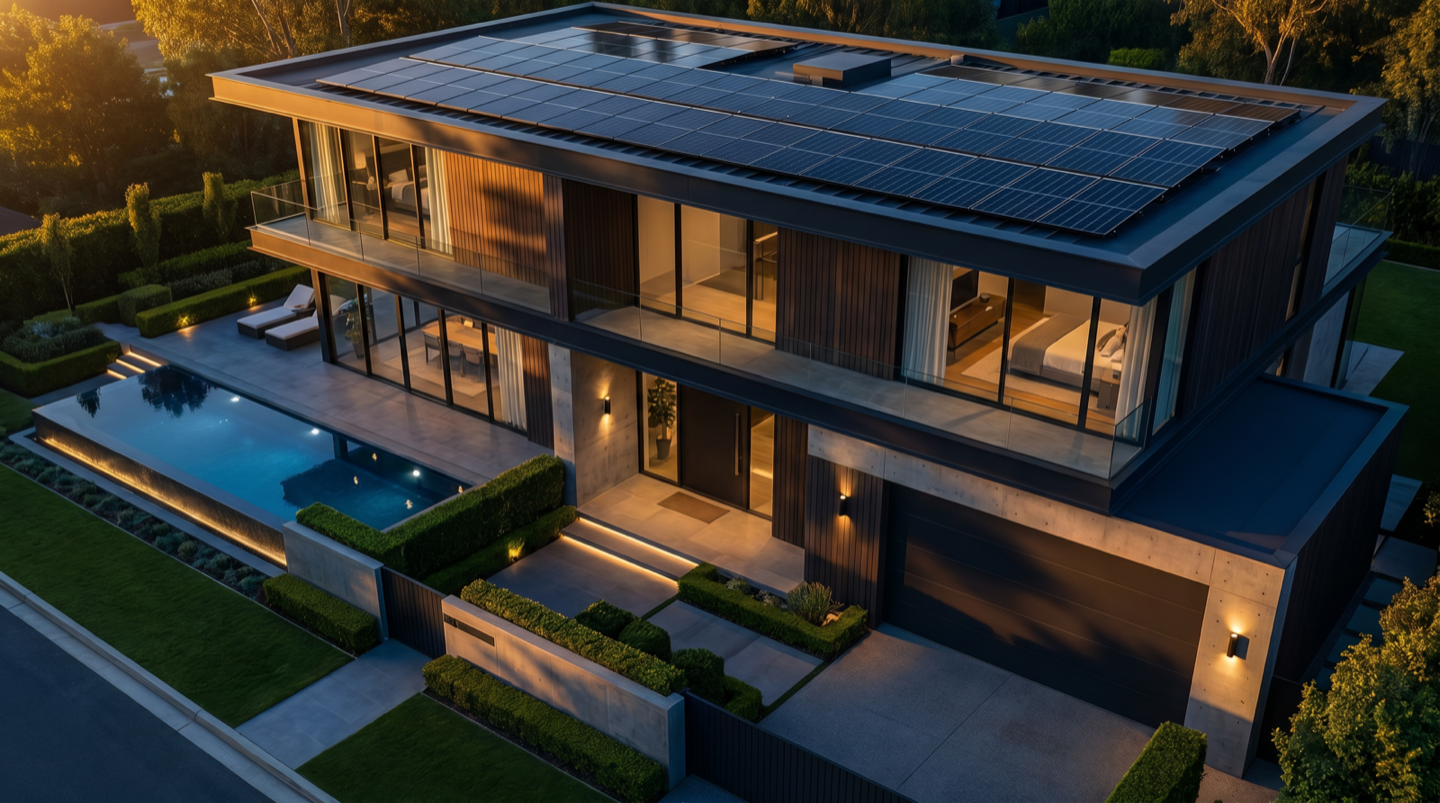
Residential Solar
Premium grid-tied PV systems for high-value homes, engineered for performance and resale value.
Learn more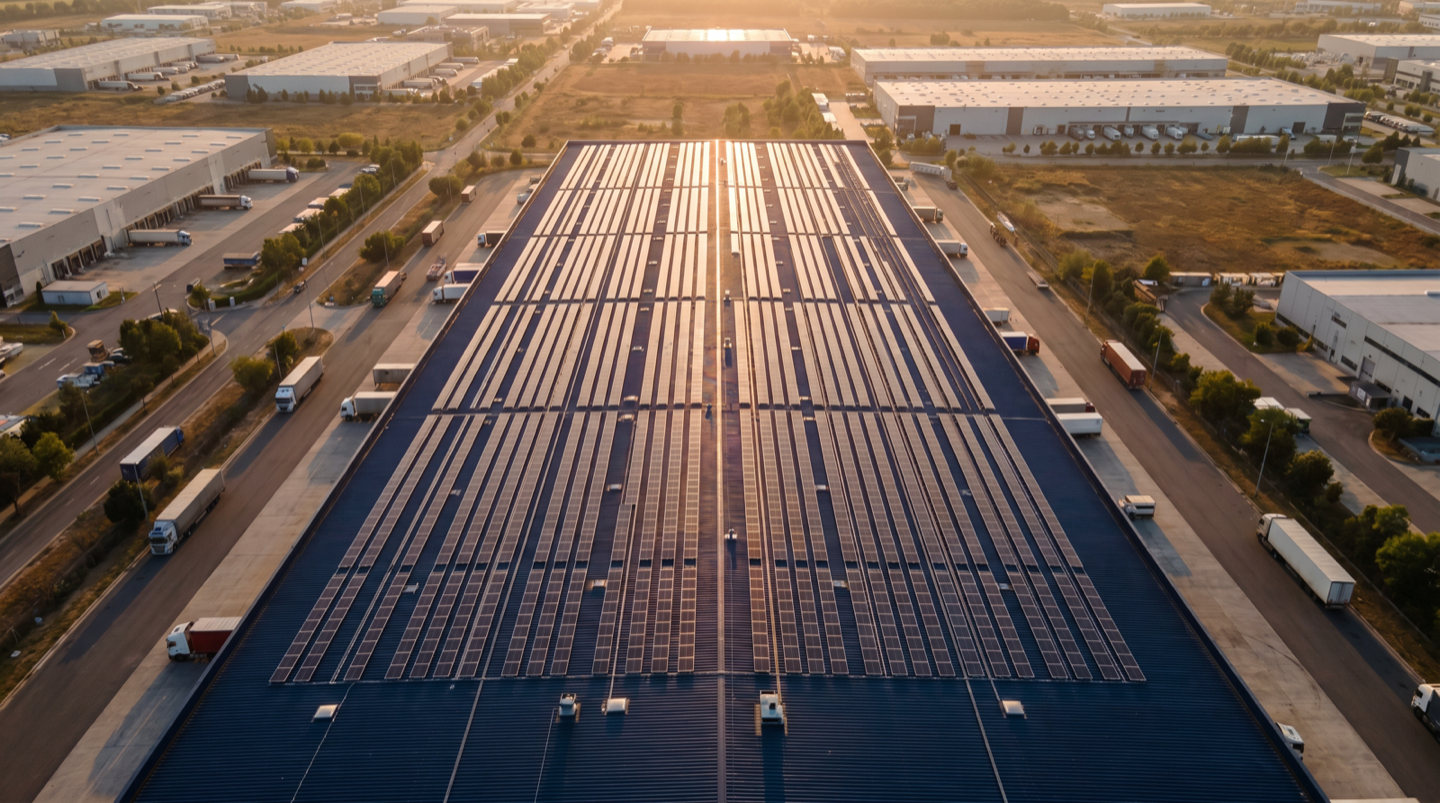
Commercial & Industrial
Behind-the-meter rooftop and ground-mount arrays that slash demand charges across C&I portfolios.
Learn more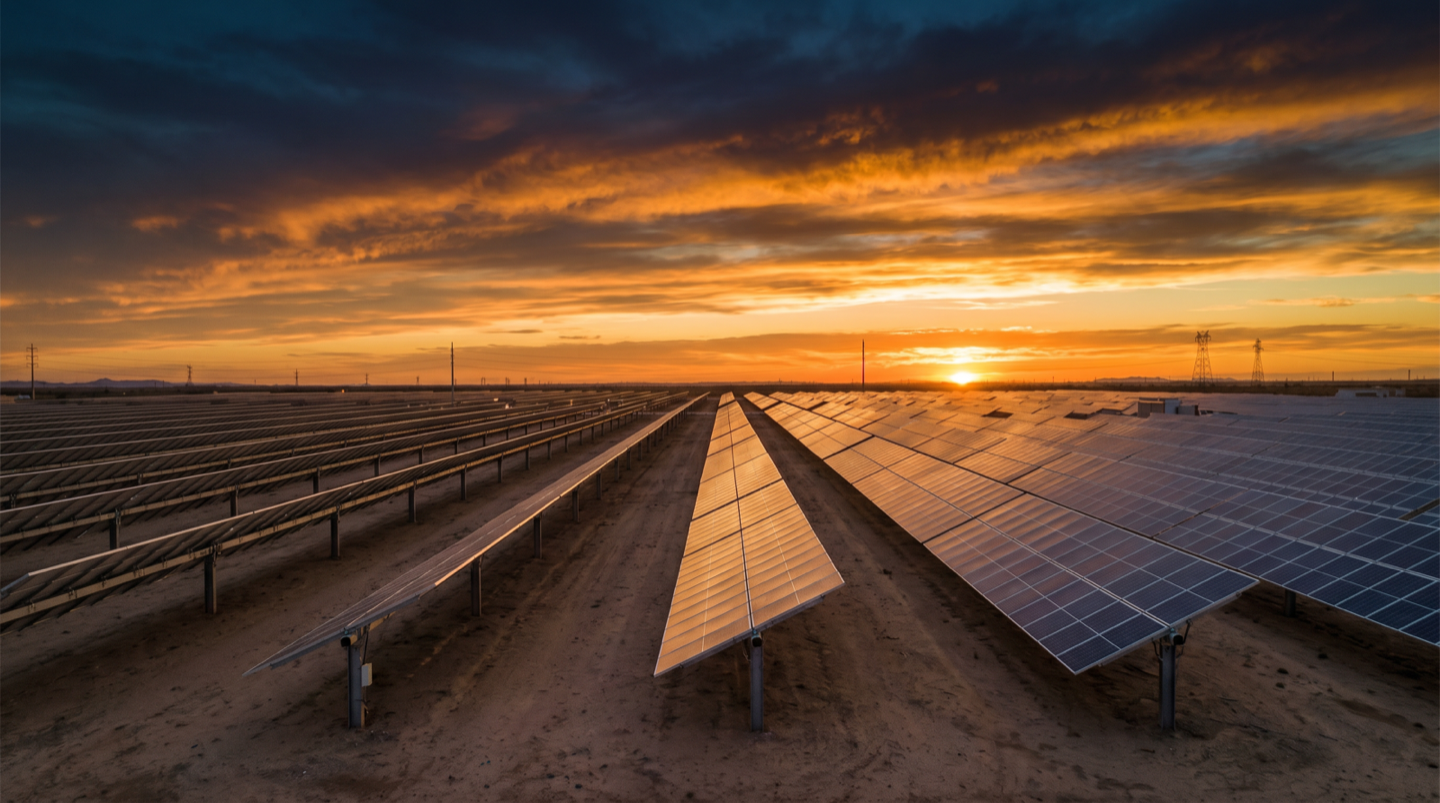
Utility-Scale Farms
End-to-end development of multi-megawatt to gigawatt solar farms, from land to long-term offtake.
Learn moreReady to scope your building-integrated pv project?
Our engineers and capital advisors will assess feasibility, model returns, and structure the right path forward — with no obligation.