Energy independence for remote sites
Self-sufficient hybrid microgrids that keep critical operations running, wherever they are.
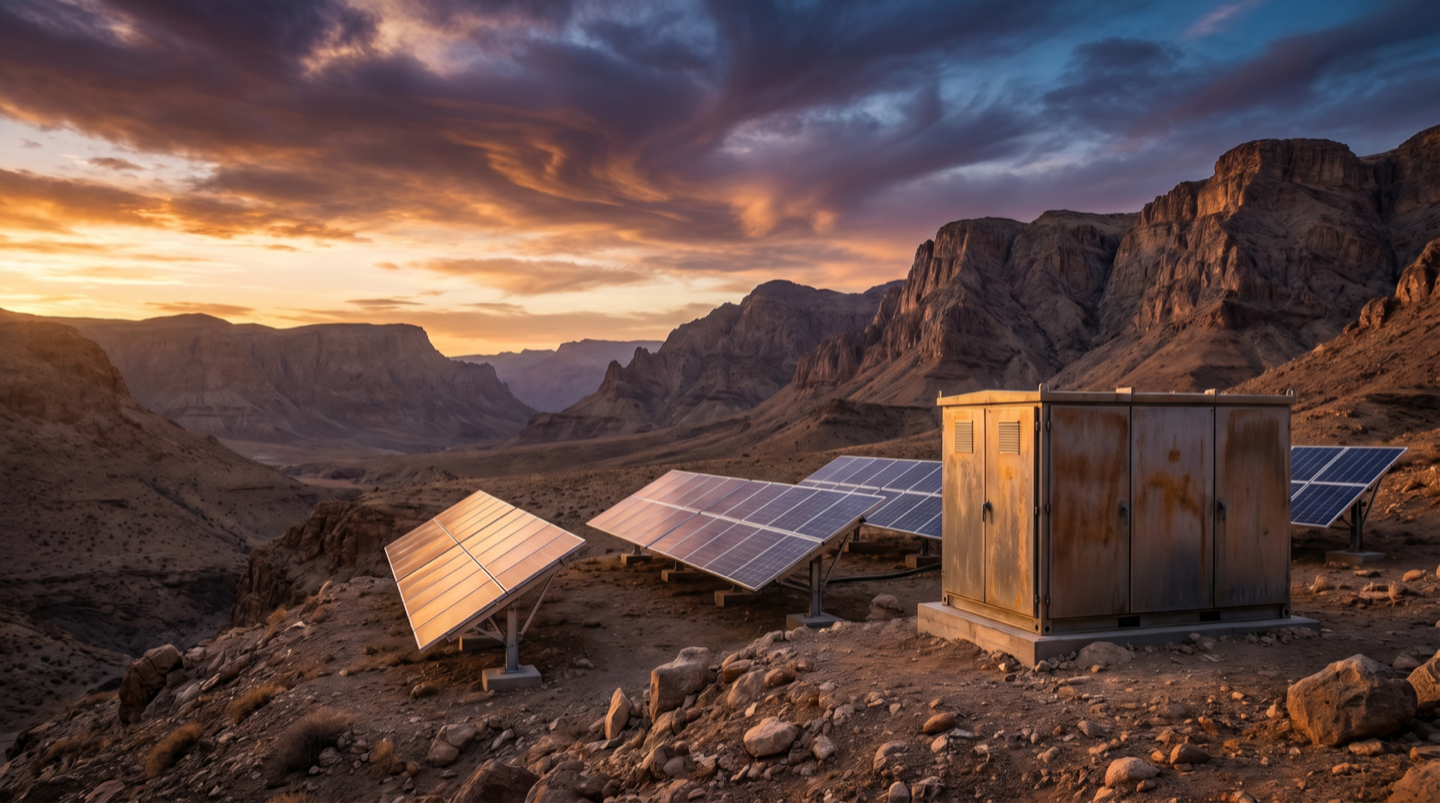
For remote operations, the grid is not a given. Mine sites, agricultural enterprises, remote communities, telecommunications infrastructure and isolated industrial facilities frequently sit beyond the reach of reliable network supply, dependent instead on diesel generation that is costly, carbon-intensive and exposed to fuel logistics and price volatility. Vanguard Energy Partners designs and delivers islanded microgrids that replace this dependence with resilient, hybrid energy systems engineered for the realities of remote operation.
An islanded microgrid is a self-contained power system capable of generating, storing and distributing electricity entirely independently of any external network. By combining renewable generation, battery storage and intelligent controls, often alongside retained generators for firming, a well-designed microgrid delivers continuous, high-quality power while dramatically reducing fuel consumption, emissions and the operational risk that comes with a single point of supply failure.
Hybrid generation engineered for continuous supply
Reliability is non-negotiable in remote operations, where a power failure can halt production, compromise safety systems or strand a community. Our microgrid designs achieve resilience through diversity of supply. Solar and, where the resource suits, wind generation provide low-cost clean energy; battery storage smooths variability and supplies power through the night and during weather events; and dispatchable generation provides firming capacity for extended low-resource periods. The control system orchestrates these sources second by second to maintain stable, continuous supply.
Crucially, this orchestration prioritises the lowest-cost, lowest-emission resource at every moment, drawing on stored renewable energy before calling on fuel-based generation. Over an operating year, this dispatch logic can displace the majority of diesel consumption, transforming both the cost base and the carbon profile of a remote operation while retaining the absolute reliability that off-grid sites demand.
- Hybrid generation combining solar, storage and dispatchable firming for uninterrupted supply
- Intelligent dispatch that prioritises the cheapest, cleanest resource at every moment
- Seamless islanding and load management to protect critical systems during faults
- Substantial displacement of diesel, cutting fuel cost, emissions and logistics exposure
- Remote monitoring and predictive control for sites with limited on-the-ground staffing
Energy independence as operational and financial resilience
The value of energy independence extends well beyond the energy bill. For remote enterprises, fuel represents not only a major cost but a logistical and reputational risk, with deliveries vulnerable to weather, distance and price shocks. A microgrid that displaces the majority of that fuel insulates the operation from these exposures, converting a volatile, externally driven cost into a stable, largely self-generated one. This predictability is itself a strategic asset in long-range planning and capital allocation.
The decarbonisation dividend is equally material. Remote operations often carry a disproportionate emissions intensity precisely because of their diesel dependence, making them prime candidates for high-impact Scope 1 reductions. A microgrid delivers verifiable, substantial cuts to that footprint, strengthening the operation's environmental credentials and supporting the corporate sustainability commitments under which remote assets are increasingly scrutinised. Where the profile suits, these systems can be structured to spread cost and align it to delivered performance.
Vanguard Energy Partners brings end-to-end capability to remote energy, from resource assessment and system design through to construction, commissioning and long-term operation in challenging environments. We deliver microgrids that keep remote operations running reliably, cut their cost and carbon dramatically, and grant them genuine energy independence in places where dependable power was once anything but assured.
At a glance
Off-Grid Microgrids — your questions answered
In many cases the majority of diesel consumption can be displaced, and some sites achieve near-total independence. We typically retain dispatchable firming capacity for extended low-resource periods to guarantee reliability, but the control system prioritises stored renewable energy first, so fuel-based generation becomes a backup rather than the primary source.
Reliability comes from diversity of supply and intelligent control. Solar, battery storage and dispatchable firming are orchestrated second by second to maintain stable supply, and the system can island and prioritise critical loads during faults. This layered design ensures continuous, high-quality power even in demanding remote conditions.
Because remote sites are often heavily diesel-dependent, the emissions reduction is typically substantial, representing a high-impact cut to Scope 1 emissions. The exact figure depends on the renewable resource and load profile, but displacing the bulk of diesel consumption delivers a verifiable and significant decarbonisation outcome.
Yes. Our microgrids include remote monitoring and predictive control designed specifically for sites with limited on-the-ground personnel. The system manages dispatch automatically and surfaces performance, alerts and diagnostics remotely, allowing issues to be identified and addressed before they affect supply.
Related capabilities
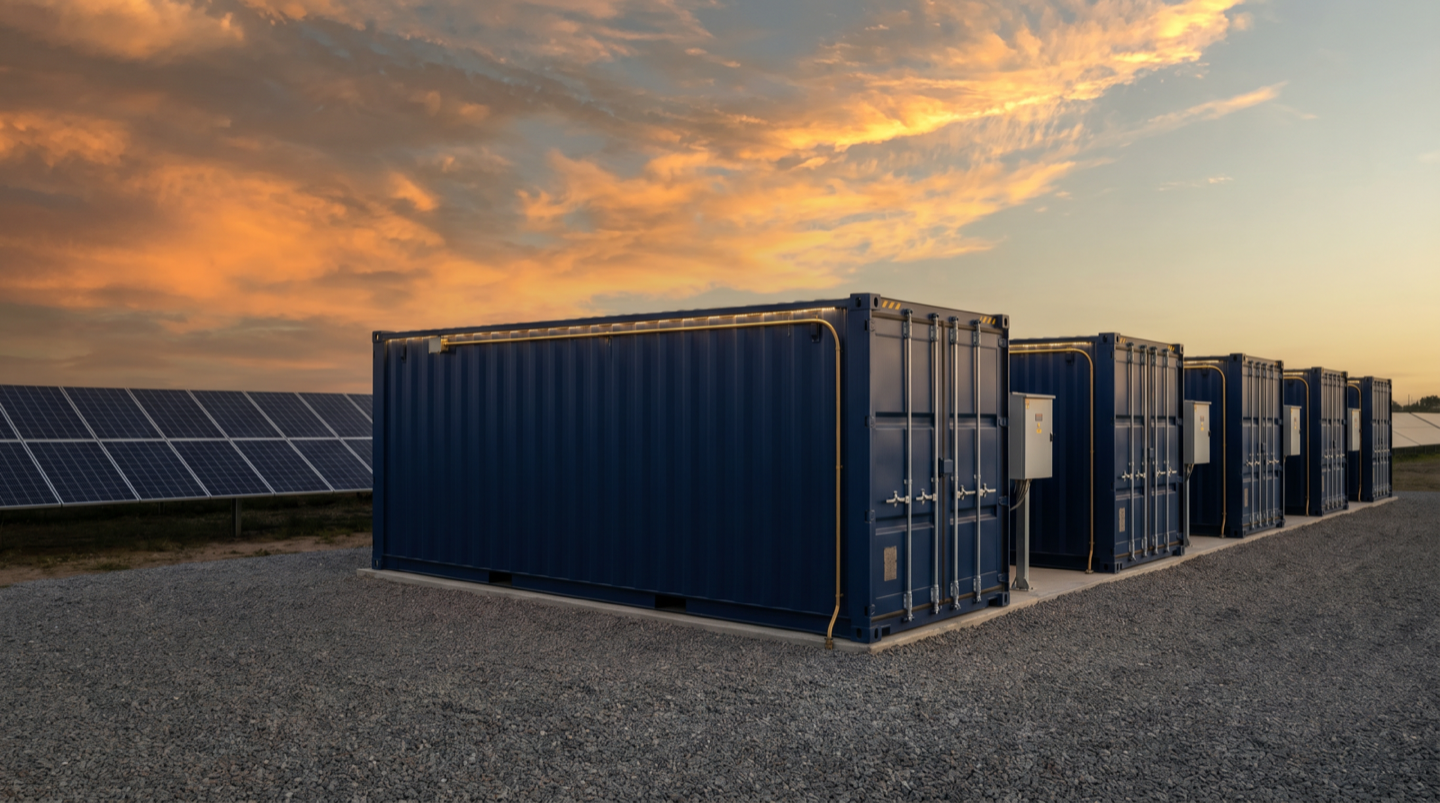
Battery Storage
Behind- and front-of-meter BESS for peak shaving, backup, and energy arbitrage.
Learn more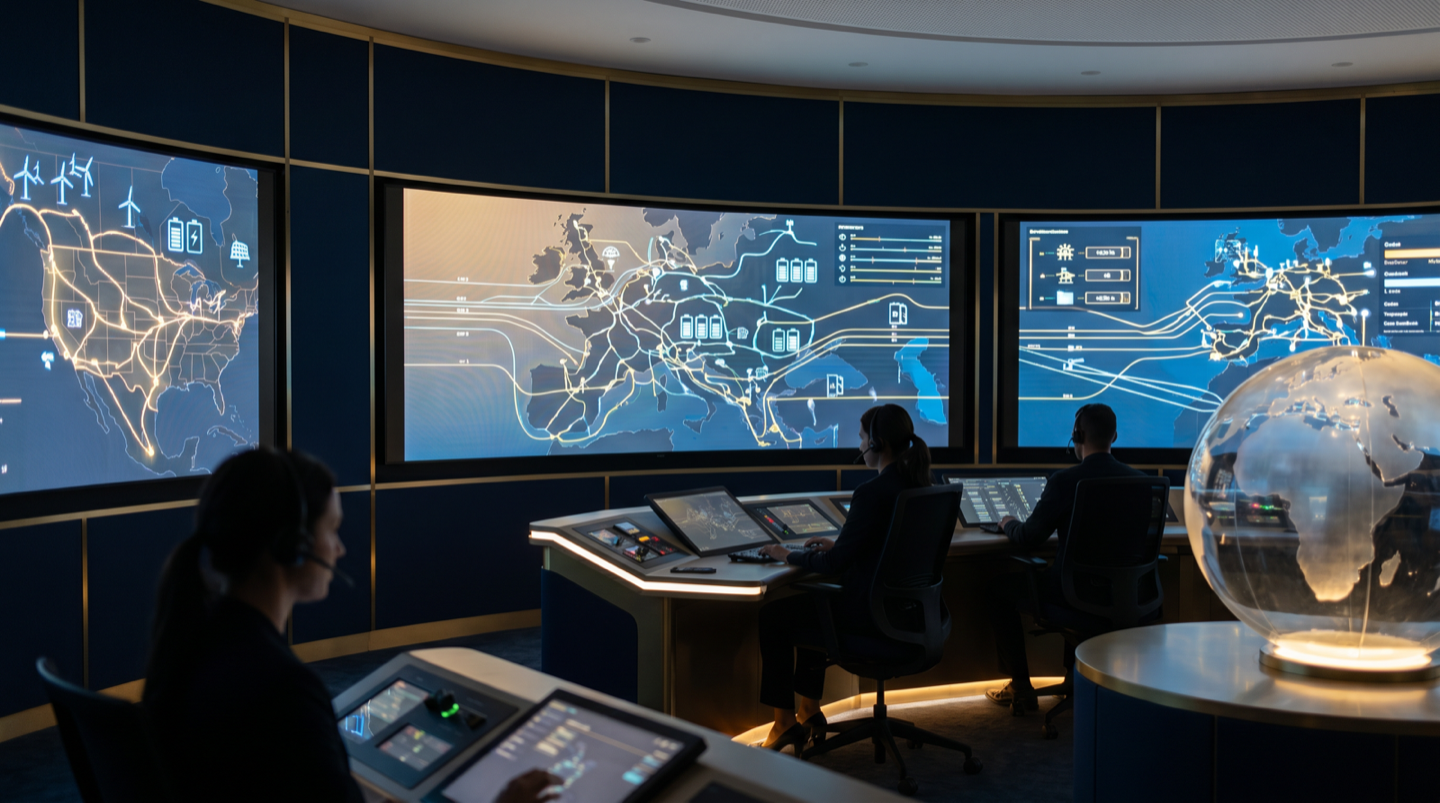
Virtual Power Plants
Aggregated distributed assets orchestrated to earn grid-services revenue and firm capacity.
Learn more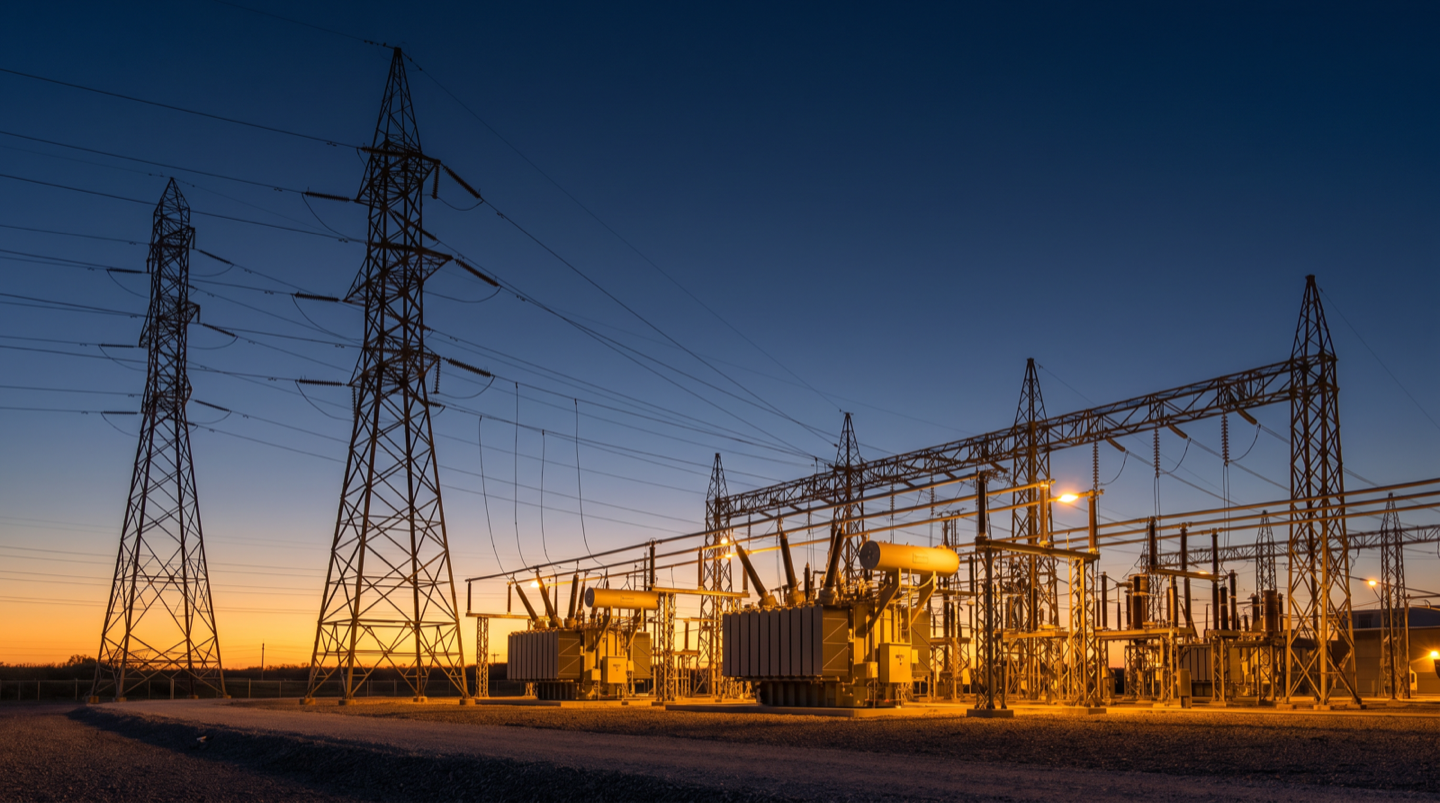
Grid Interconnection
Interconnection studies, applications, and utility coordination that de-risk grid connection.
Learn moreReady to scope your off-grid microgrids project?
Our engineers and capital advisors will assess feasibility, model returns, and structure the right path forward — with no obligation.