Floatovoltaic arrays on water
Land-free generation deployed on reservoirs, dams, and basins — with cooling gains and reduced evaporation.
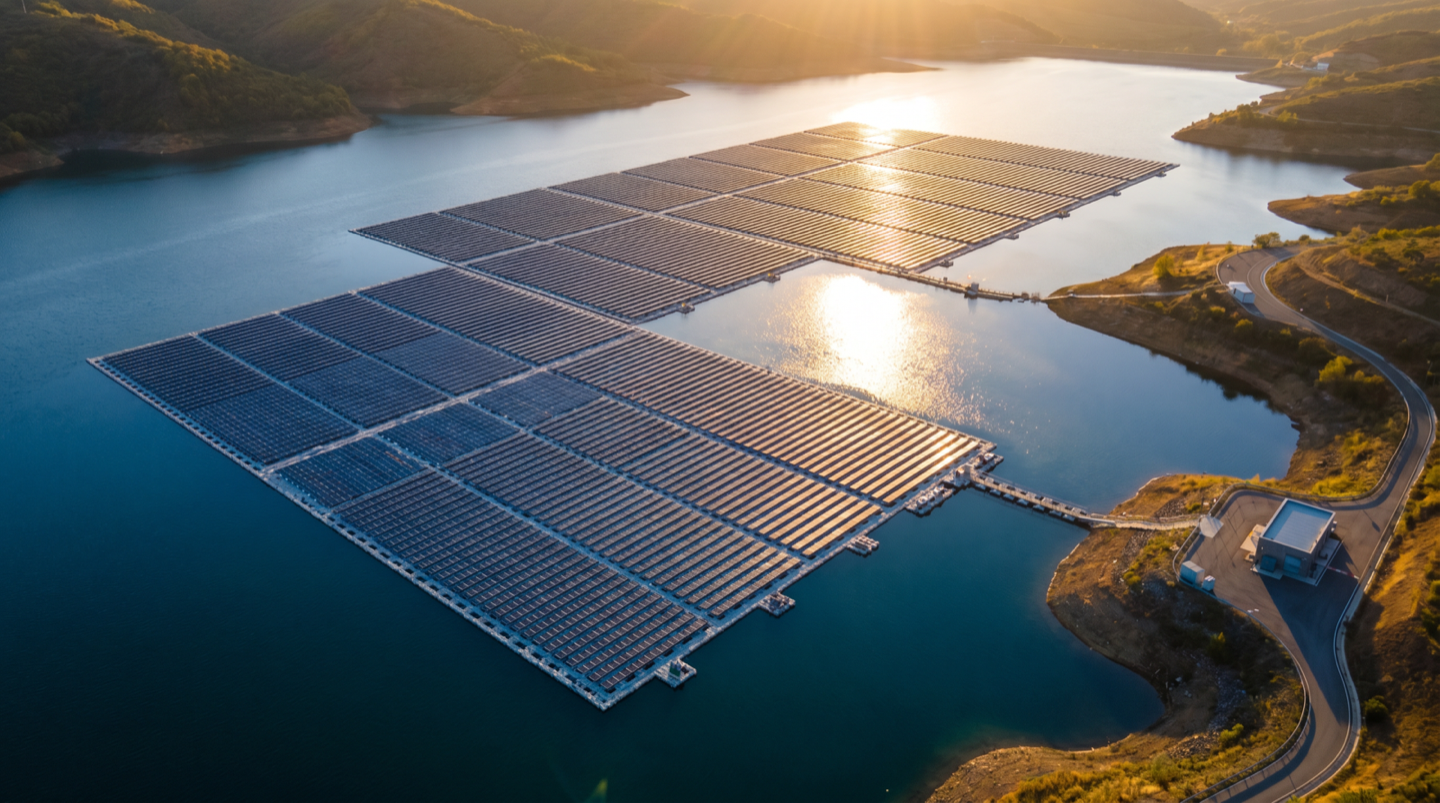
For enterprises that command significant water assets, whether reservoirs, treatment basins, irrigation dams, or industrial ponds, floating photovoltaics represent one of the most compelling and underutilised opportunities in the clean-energy landscape. Floatovoltaics deploy solar arrays on the surface of water bodies, unlocking generation capacity without consuming the land that organisations need for operations, expansion, or revenue-generating use. Vanguard Energy Partners designs and delivers floating solar systems that turn idle water surfaces into productive, decarbonising assets.
The appeal of floating solar extends well beyond land conservation. The aquatic environment confers performance and operational advantages that land-based systems cannot replicate, while addressing water-management challenges that asset owners face independently of their energy strategy. The result is a multi-benefit deployment that strengthens the business case along several dimensions at once, making it particularly attractive to utilities, water authorities, and large industrial operators.
Land Conservation And Capital Efficiency
Land is among the most valuable and constrained resources on any commercial balance sheet. Ground-mounted solar competes directly with operational use, future development, and in many cases agricultural or commercial leasing income. Floating arrays sidestep this competition entirely by occupying water surfaces that would otherwise generate no return. For organisations whose land carries high opportunity cost, this distinction transforms the economics of on-site generation and frees terrestrial assets for their highest and best use.
This capital efficiency is especially pronounced for utilities and water authorities, whose reservoirs and basins span vast surface areas with no alternative productive function. Deploying generation on these surfaces creates a new revenue and decarbonisation pathway from existing infrastructure, improving the return on assets that were never intended to produce energy. The strategic logic is difficult to ignore for any organisation that holds water assets at scale.
Performance And Water-Management Benefits
The cooling effect of the water beneath a floating array is a genuine performance advantage. Photovoltaic modules lose efficiency as their operating temperature rises, and the moderating influence of the water surface keeps panel temperatures lower than equivalent land-based installations would experience. Across the asset lifecycle, this translates into measurably higher energy yield per installed kilowatt, improving both the generation economics and the return on invested capital.
The benefits flow in both directions. By shading the water surface, floating arrays reduce evaporative losses, a consideration of real consequence for reservoirs and irrigation dams in a drying climate. The same shading suppresses algal growth, improving water quality and reducing treatment burden. For water authorities and industrial operators, these co-benefits can be as financially significant as the energy itself, strengthening a business case that already stands on its own merits.
- Generation capacity deployed without consuming valuable land assets
- Higher energy yield from the cooling effect of the water surface
- Reduced evaporative water loss through surface shading
- Suppressed algal growth and improved water quality
- Productive use of reservoirs, dams, and basins with no alternative function
Engineering For The Aquatic Environment
Floating solar demands engineering discipline specific to the aquatic setting. Mooring and anchoring systems must accommodate water-level fluctuation, wind loading, and the structural dynamics of a floating platform, while electrical design must meet stringent standards for systems operating above water. Our engineering teams design each deployment around the hydrology, bathymetry, and regulatory context of the specific water body, ensuring durability, safety, and compliance across decades of operation. Properly engineered, a floating solar deployment is a long-lived, high-performing asset that advances an organisation's decarbonisation objectives while delivering tangible water-management value, offering enterprises with underutilised water surfaces a route to clean generation that conserves land, improves water stewardship, and reduces Scope 2 emissions in a single, strategically coherent investment.
At a glance
Floating Solar — your questions answered
Reservoirs, treatment basins, irrigation dams, quarry lakes, and industrial ponds are all strong candidates. Suitability depends on water depth, surface area, level fluctuation, and access. We assess the hydrology and bathymetry of each site to confirm viability before any design work begins.
In most settings, yes. The cooling effect of the water surface keeps module temperatures lower, and because panels lose efficiency as they heat, this typically yields a measurable increase in output per installed kilowatt compared with an equivalent ground-mounted array in the same location.
Floating arrays generally improve water quality by shading the surface, which reduces evaporation and suppresses algal growth. Each deployment is designed to meet environmental and regulatory requirements specific to the water body, and we assess ecological factors as part of the engineering process.
Floating arrays are held in place by engineered mooring and anchoring systems designed for the specific site, accounting for water-level fluctuation, wind loading, and platform dynamics. The electrical and structural design meets the stringent standards required for systems operating above water over a multi-decade lifespan.
Related capabilities
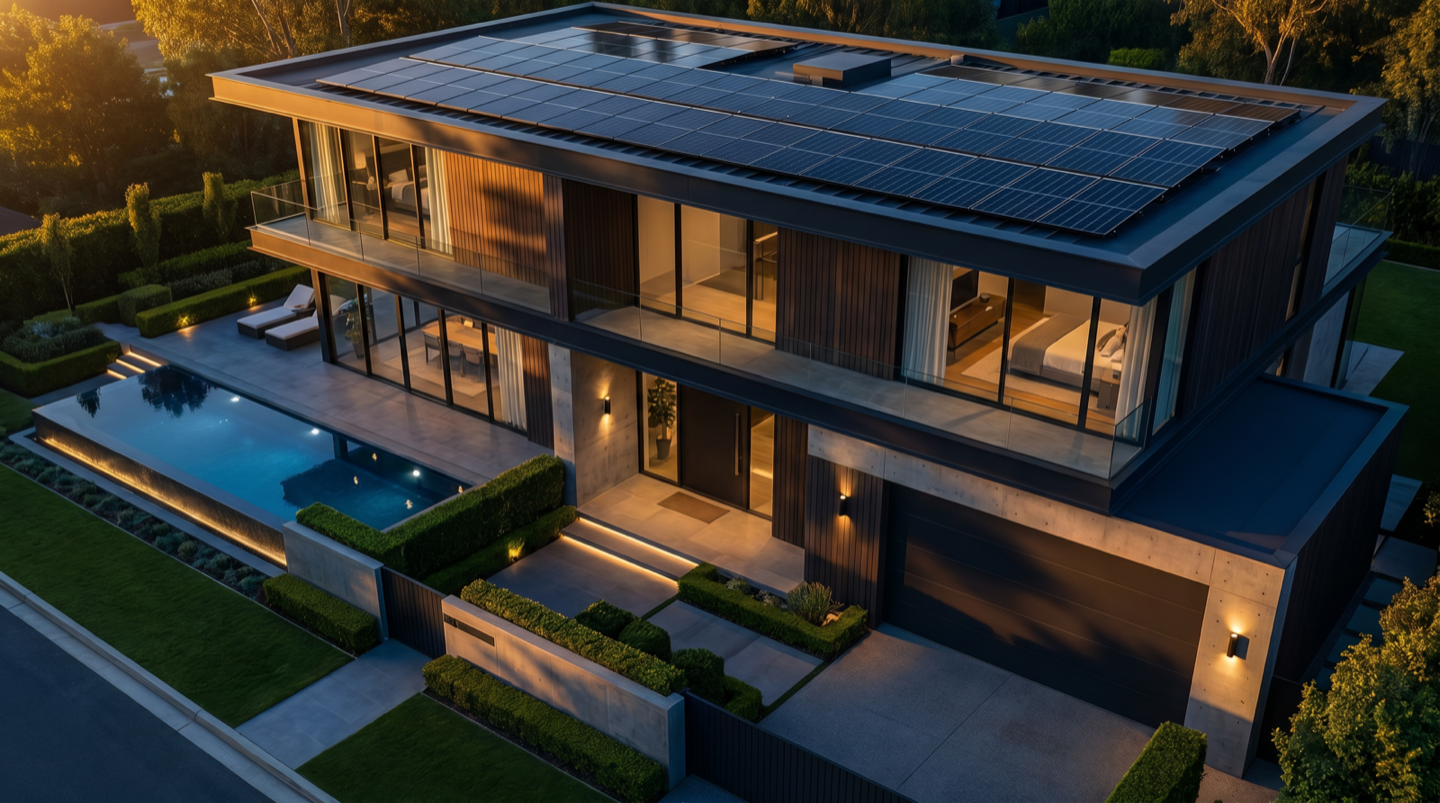
Residential Solar
Premium grid-tied PV systems for high-value homes, engineered for performance and resale value.
Learn more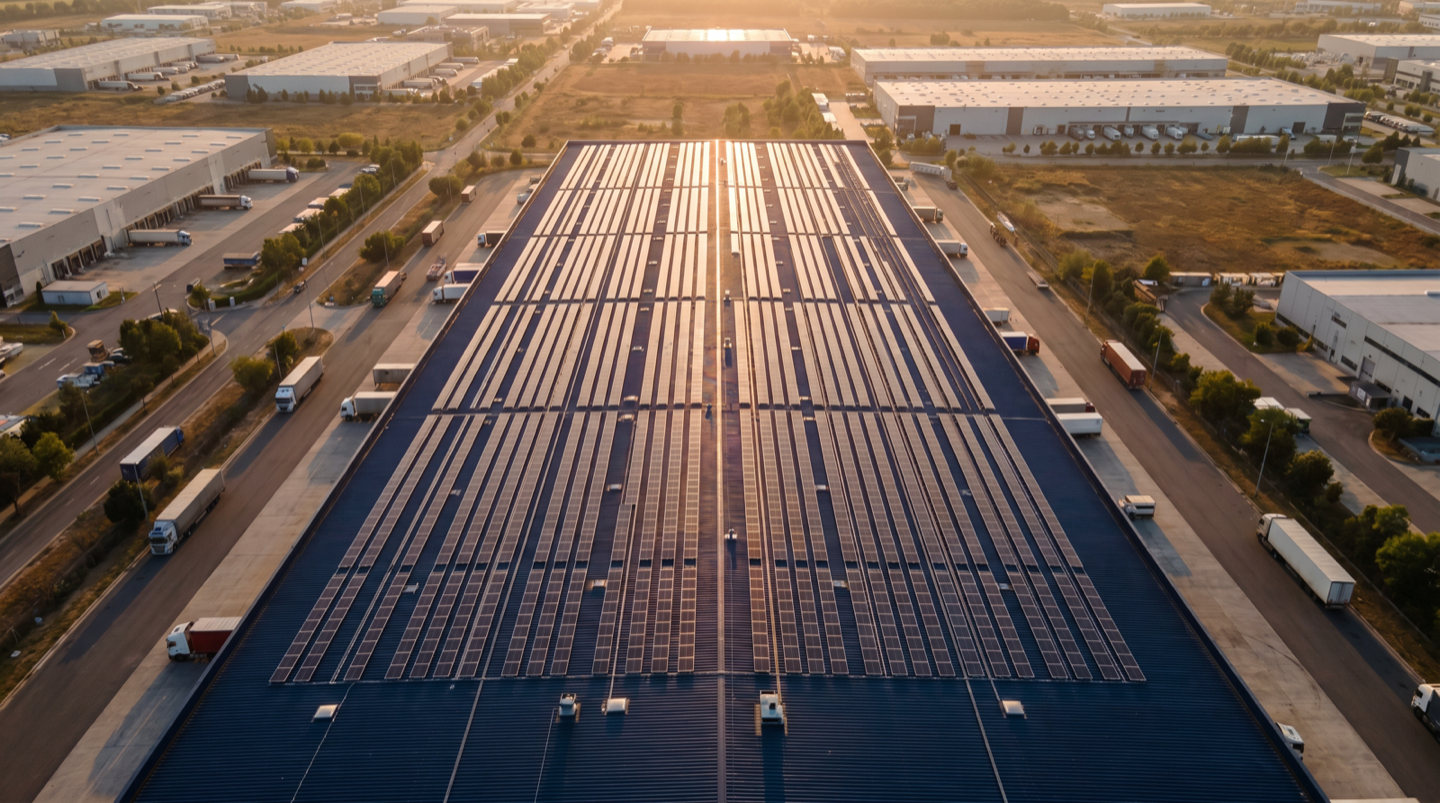
Commercial & Industrial
Behind-the-meter rooftop and ground-mount arrays that slash demand charges across C&I portfolios.
Learn more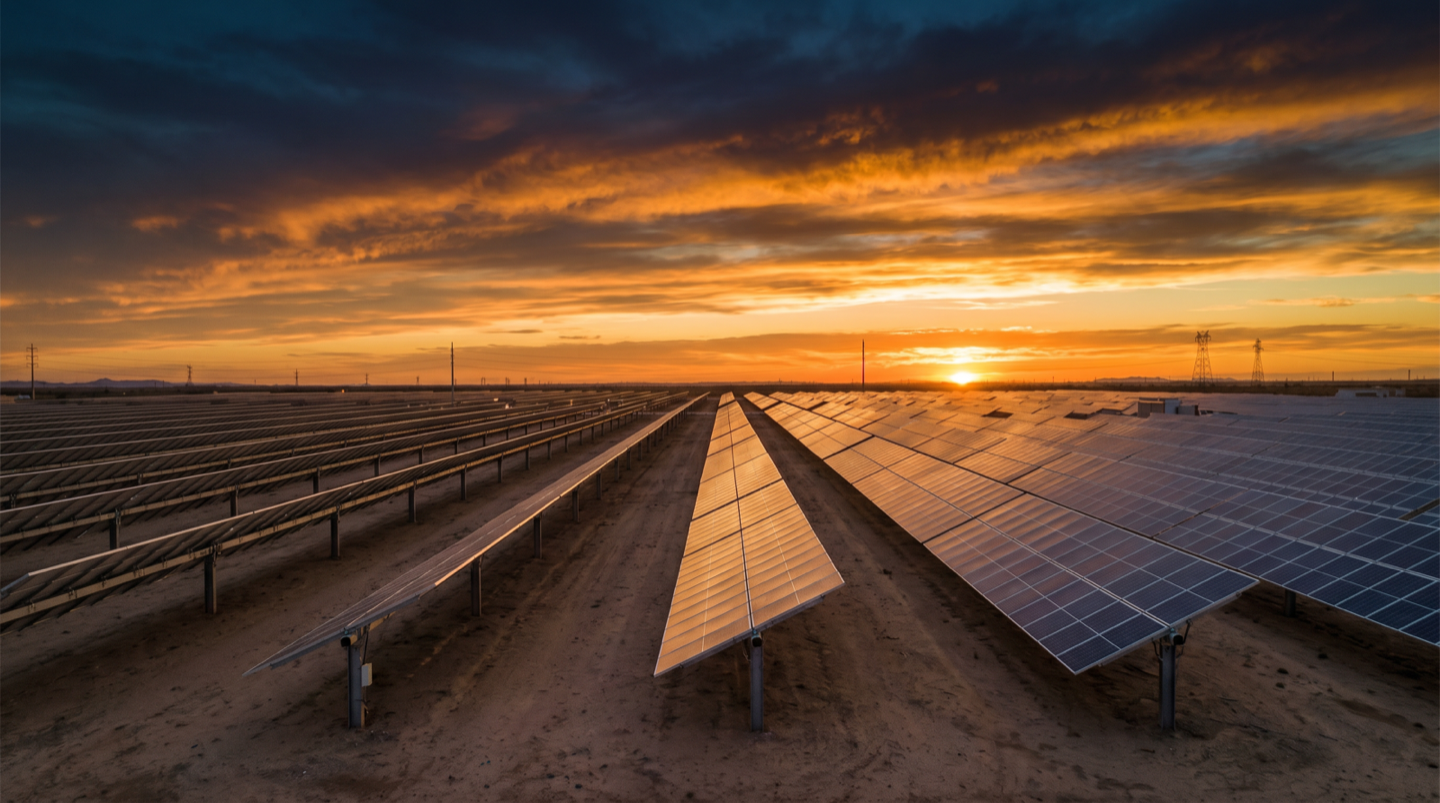
Utility-Scale Farms
End-to-end development of multi-megawatt to gigawatt solar farms, from land to long-term offtake.
Learn moreReady to scope your floating solar project?
Our engineers and capital advisors will assess feasibility, model returns, and structure the right path forward — with no obligation.