Data-led decarbonisation
Detailed load profiling and audits that baseline consumption and chart a credible path to net zero.

An enterprise energy audit is the foundational instrument upon which every credible decarbonisation strategy is built. Before a single panel is procured or a power purchase agreement is negotiated, the asset owner must possess a forensic understanding of how, when, and why energy moves through the facility. Vanguard Energy Partners delivers institutional-grade audits that translate raw consumption data into a defensible capital case, equipping CFOs, facility managers, and ESG officers with the evidence required to act with conviction rather than assumption.
Our methodology is rooted in measurement, not estimation. We instrument the building envelope, the mechanical plant, and the electrical distribution architecture, then reconcile that telemetry against billing records, interval meter data, and tariff structures. The result is a transparent baseline that exposes inefficiency, quantifies avoidable cost, and isolates the precise load segments where on-site generation, storage, or demand management will deliver the highest marginal return on invested capital.
Consumption Analysis And Load Profiling
Aggregate annual consumption figures conceal far more than they reveal. Two facilities with identical kilowatt-hour totals can present radically different economic and emissions profiles depending on when that energy is drawn. Our analysts decompose interval data into granular load profiles, mapping base load, peak demand, and seasonal variance across the operating calendar. This temporal resolution is what allows us to right-size generation assets and to model how solar production aligns with, or diverges from, the facility demand curve.
Load profiling also surfaces the hidden drivers of network charges. In most commercial tariffs, demand-based components and time-of-use penalties account for a disproportionate share of the total bill. By identifying the brief, costly peaks that inflate capacity charges, we can recommend targeted interventions, whether that is behind-the-meter storage, automated load shifting, or process rescheduling, that compress those peaks and materially reduce the cost of grid economics over the asset lifecycle.
- Interval meter ingestion at fifteen-minute or five-minute granularity across all metered points
- Disaggregation of base load, operational load, and demand peaks by time of use
- Tariff reconciliation against energy, demand, and network capacity components
- Seasonal and weather-normalised variance modelling to isolate structural inefficiency
- Power factor and reactive power assessment to recover avoidable network penalties
Efficiency Baselining And The Decarbonisation Roadmap
A baseline is only valuable if it is durable enough to measure progress against. We establish a weather-normalised efficiency baseline that withstands audit scrutiny and serves as the reference point for verifying savings under measurement and verification protocols. This rigour matters because every subsequent investment, every claimed reduction in Scope 2 emissions, and every assertion made in sustainability disclosures must be traceable to a defensible point of origin.
From that baseline we construct a phased decarbonisation roadmap that sequences interventions by payback period, abatement potential, and capital intensity. The roadmap is deliberately pragmatic. It distinguishes the low-cost operational adjustments that pay back within months from the larger generation and electrification projects that reshape the energy posture of the entire portfolio over years. Crucially, it ties each phase to its impact on Scope 2 emissions, allowing ESG officers to forecast trajectory against corporate net-zero commitments with precision.
The audit, therefore, is not a report that gathers dust. It is a living capital-allocation framework that informs procurement, underwrites financing conversations, and gives the executive team a clear-eyed view of the road from the present energy reality to a decarbonised, cost-optimised future. Vanguard exists to make that road navigable, and to ensure every dollar deployed is grounded in evidence.
At a glance
Energy Auditing — your questions answered
Timelines depend on portfolio scale and metering maturity, but a single complex commercial site is generally instrumented, analysed, and reported within four to eight weeks. Multi-site portfolios are sequenced so that early findings can inform capital decisions while later sites are still in assessment.
No. Our data collection is designed to be non-intrusive, relying primarily on existing interval meter data, billing records, and temporary sub-metering that is installed outside operational hours. Where on-site inspection is required, it is scheduled around your facility constraints to avoid any interference with production.
The weather-normalised baseline we establish becomes the verified reference point for all subsequent emissions claims. Because consumption is reconciled against grid emissions factors and time-of-use data, your sustainability team can report reductions that are traceable, defensible, and aligned with recognised disclosure frameworks.
Not at all. The audit is technology-agnostic and outcome-focused. Many clients commission it specifically to understand their options before committing capital. The decarbonisation roadmap it produces is yours to act on at whatever pace your capital structure and governance permit.
Related capabilities

Solar Maintenance
Predictive O&M with drone thermography and remote monitoring that protects asset yield.
Learn more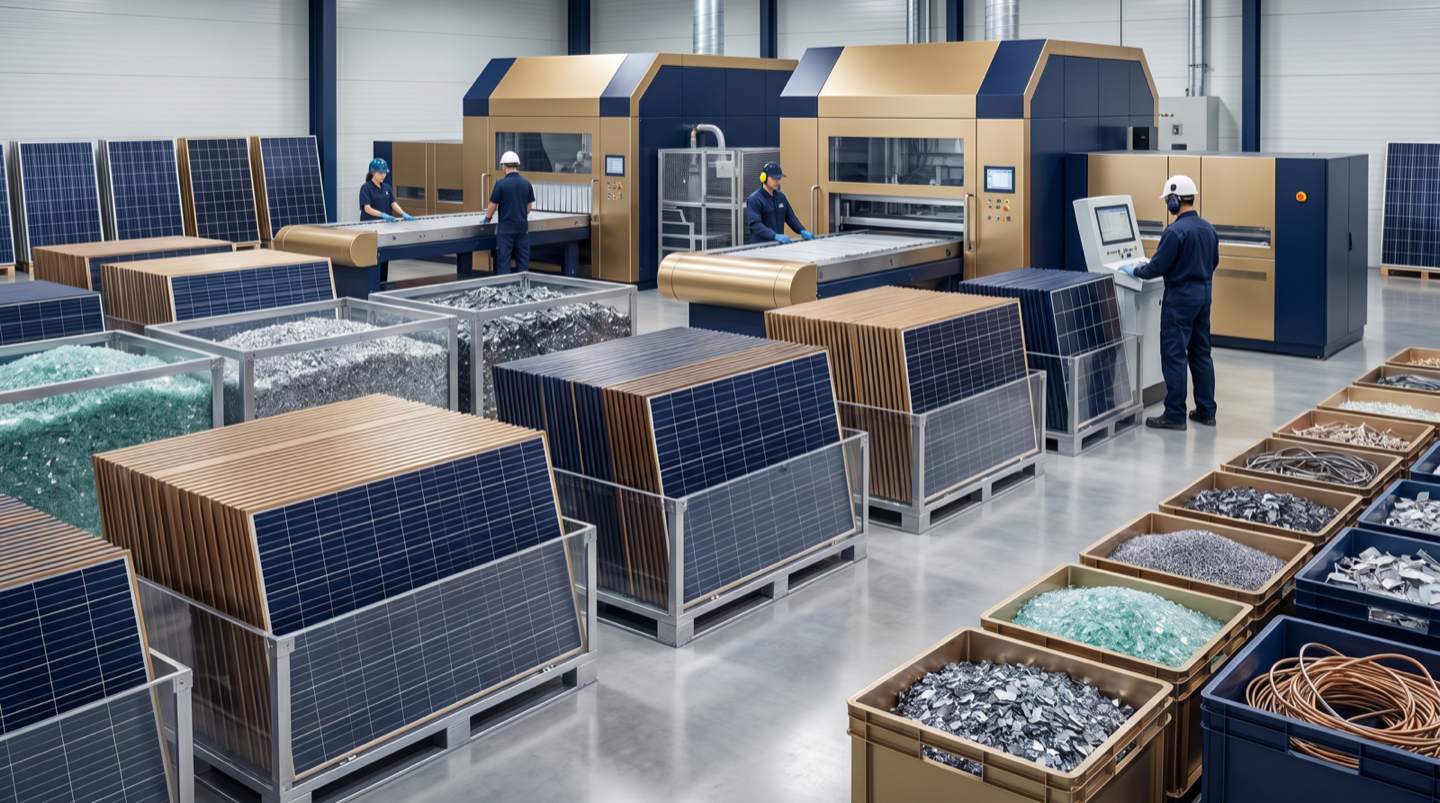
Panel Recycling
Responsible decommissioning and material recovery that close the solar circular loop.
Learn more
Heat Pump Electrification
Building electrification that displaces gas with high-efficiency heat-pump systems.
Learn moreReady to scope your energy auditing project?
Our engineers and capital advisors will assess feasibility, model returns, and structure the right path forward — with no obligation.