Crown come loose? We'll secure it fast
A crown that cracks, lifts or falls out leaves the tooth beneath it vulnerable and sharp. Keep the crown safe, avoid chewing on that side, and let us re-seat or rebuild it before the tooth is damaged further.
What to do right now
- Keep the crown — we can often re-cement the original.
- Clean it gently and store it somewhere safe.
- Avoid chewing on that side of your mouth.
- Cover sharp edges with dental wax or sugar-free gum if rubbing.
- Call us to book a re-cement or repair.
A crown is the hard-wearing cap that protects a tooth that has been heavily filled, root-treated or cracked. When one comes loose or breaks, it can feel alarming — there's often a strange gap, a rough edge against your tongue, and sometimes a jolt of sensitivity. It is rarely painful for long, and in most cases the repair is straightforward, especially if you act before the exposed tooth is damaged.
First, protect the tooth underneath
The tooth beneath a crown is usually shaped down to a small core, so it is more fragile and more sensitive than a natural tooth. Until we see you, avoid chewing on that side and keep the area clean. If you still have the crown, rinse it, dry it and keep it somewhere safe in a small container — a crown that is intact can very often be cleaned and re-cemented, which is quicker and cheaper than making a new one. If a sharp edge is rubbing your tongue or cheek, a little dental wax or even a piece of sugar-free gum can smooth it temporarily.
A word of caution on home repair kits: over-the-counter cement can hold a crown for a day or two in a pinch, but it can also seat the crown crookedly and trap decay. Treat it as a short bridge to a proper appointment, not a fix.
How we repair it
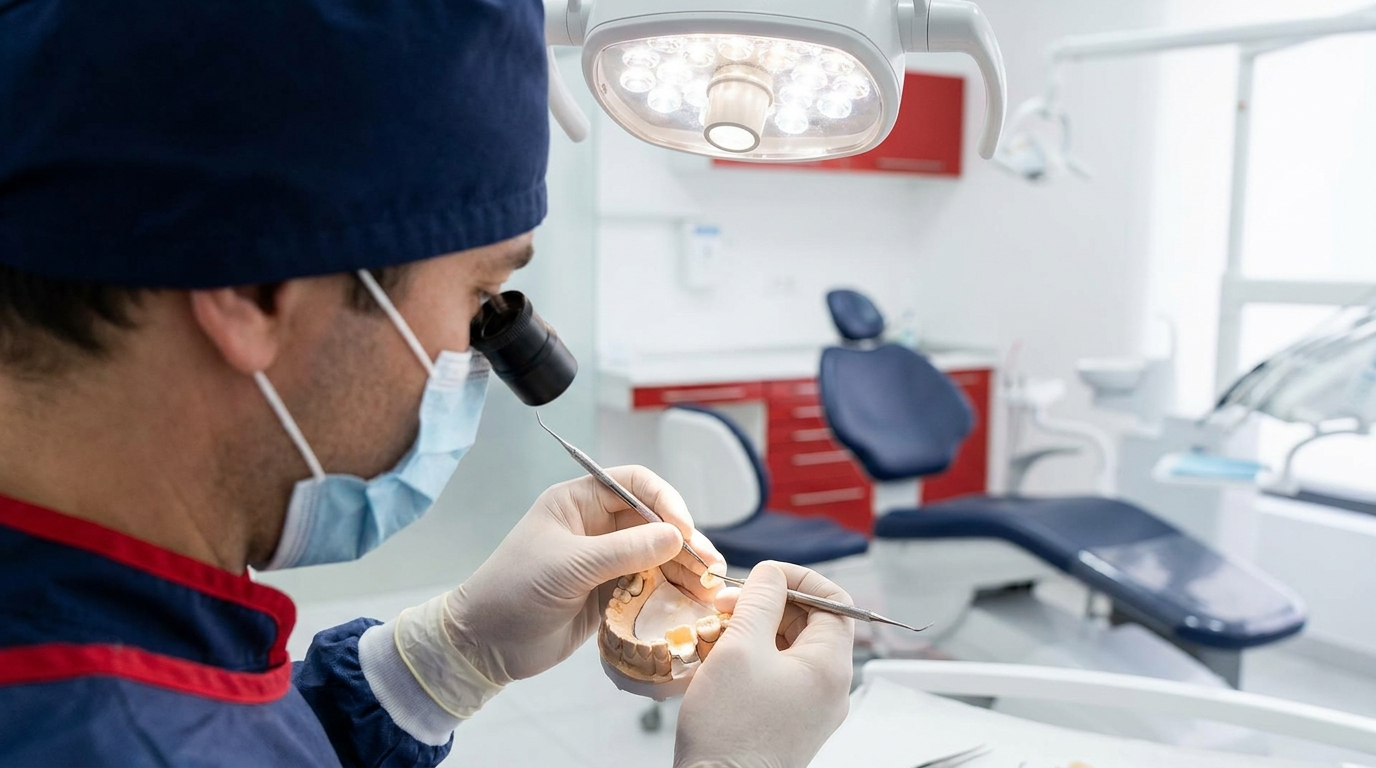
When you come in, we examine both the crown and the tooth it sits on. If the crown is sound and the tooth underneath is healthy, we clean away the old cement and bond it firmly back into place — often in a single short visit. If the crown is cracked, worn or no longer fits, or if decay has crept in beneath it, we'll rebuild the foundation and arrange a new crown, fitting a natural-looking temporary so you're never left with an unsightly gap.
When a loose crown is more urgent
Sometimes a crown lifts because decay or infection has developed underneath. If you notice a bad taste, ongoing ache, swelling or sensitivity that lingers, tell us — the tooth may need a filling repair or root canal before a new crown can be fitted. Catching this early keeps the tooth restorable.
- Same-day re-cementing of intact crowns wherever possible
- Tooth-coloured temporary crowns so you're never left with a gap
- Decay and infection checked before any crown is re-seated
- Clear pricing — repair first, replace only when needed
Don't leave a bare tooth exposed to chip or shift. Call Rapid Response Dental Care, bring the crown if you have it, and we'll have you protected again quickly.
Common questions
Very often, yes — if it's undamaged and the tooth beneath is healthy, re-cementing the original is the fastest, most affordable option.
It will pass harmlessly. We'll assess the tooth and make a new crown, fitting a temporary so the tooth stays protected meanwhile.
It's urgent rather than critical, but prompt care prevents the exposed tooth from chipping, shifting or decaying — so don't leave it for weeks.