The Future of the Grid: Bidirectional, Distributed and Intelligent
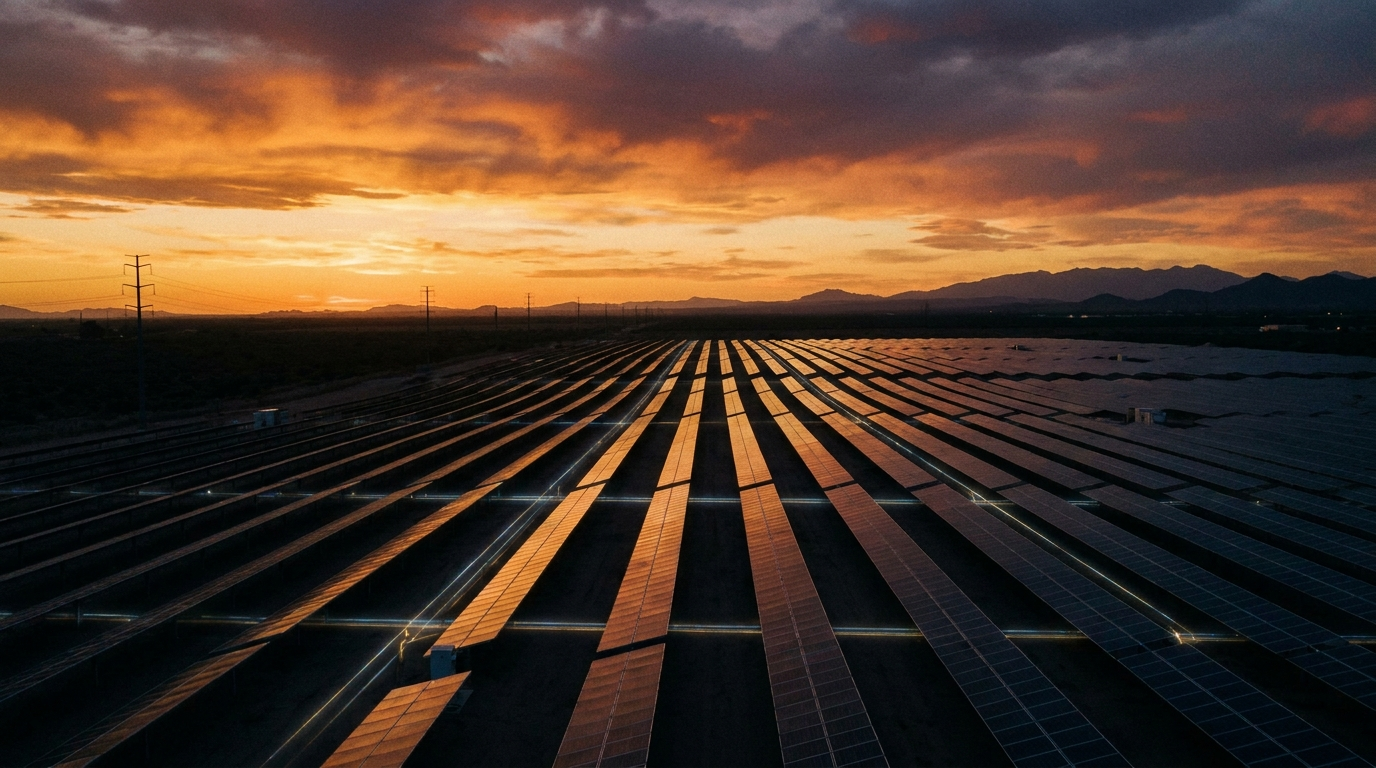
For a century the electricity grid ran one way: vast generators pushed power down the lines to passive consumers at the end. That model is dissolving. As coal plants retire and millions of rooftops generate their own energy, the grid is becoming bidirectional, distributed and intelligent, a network where power flows in both directions and where the home at the edge is an active participant rather than a passive load. Understanding that shift explains why batteries, VPPs and load-shifting are not fringe ideas but the architecture of what comes next.
From One-Way To Bidirectional
A bidirectional grid treats your home as both a consumer and a supplier. When your panels generate more than you use, the surplus flows outward; when you need more, it flows in. Soon your electric vehicle joins the dance, capable of discharging back to the home or the grid through vehicle-to-grid technology. This two-way flow demands smarter coordination, because a network designed to deliver power must now also manage the energy surging back up from the edges on a sunny afternoon.
Distributed By Design
Australia leads the world in rooftop solar penetration, which means a huge share of generation now sits behind the meter, scattered across millions of homes. This distributed energy is resilient and clean, but it is also harder to manage than a handful of large power stations. AEMO and the Clean Energy Regulator are building the market structures and technical standards to orchestrate these distributed resources, and coordinated batteries in virtual power plants are central to that orchestration. The grid is no longer a tree with one trunk; it is a mesh with countless small nodes.
- Bidirectional flow lets homes export, import and trade energy
- Distributed generation spreads supply across millions of rooftops
- Vehicle-to-grid turns EVs into mobile storage assets
- AEMO and the CER are building rules to coordinate it all
Intelligence At The Edge
The third pillar is intelligence. Smart inverters, energy management systems and aggregation platforms let distributed assets respond to price and grid signals in real time. Your battery can decide, second by second, whether to store, supply your home or sell into a market event. Multiply that decision across a fleet and you have a grid that balances itself dynamically from the edge inward, rather than from a control room alone. This is where load-shifting and VPP participation converge: the intelligence that saves you money is the same intelligence that stabilises the network.
The future grid rewards households that show up as active participants. By investing in storage and intelligence now, you are not just lowering a bill; you are claiming a stake in a cleaner, more resilient and more democratic energy system, exactly the future NexusCore is built to help you reach.
More from the knowledge hub
Load-Shifting Explained: Turning Sunlight Into Savings After Dark
Load-shifting moves your energy use to the cheapest, cleanest hours so midday solar powers your home long after sunset.
The BESS Buyer's Guide: Chemistry, Cycles and Round-Trip Efficiency
A practical guide to battery energy storage: comparing chemistries, cycle life, depth of discharge and the efficiency that decides real savings.
Virtual Power Plants 101: How Your Battery Earns While You Sleep
Virtual power plants pool thousands of home batteries into a single grid resource, letting your storage earn revenue and support the network.
Ready to engineer your energy independence?
Book a free site assessment and energy model. We'll size the solar, the BESS and the load-shifting strategy — and show you the payback before you commit.