The Path to Energy Independence: From Grid-Tied to Off-Grid
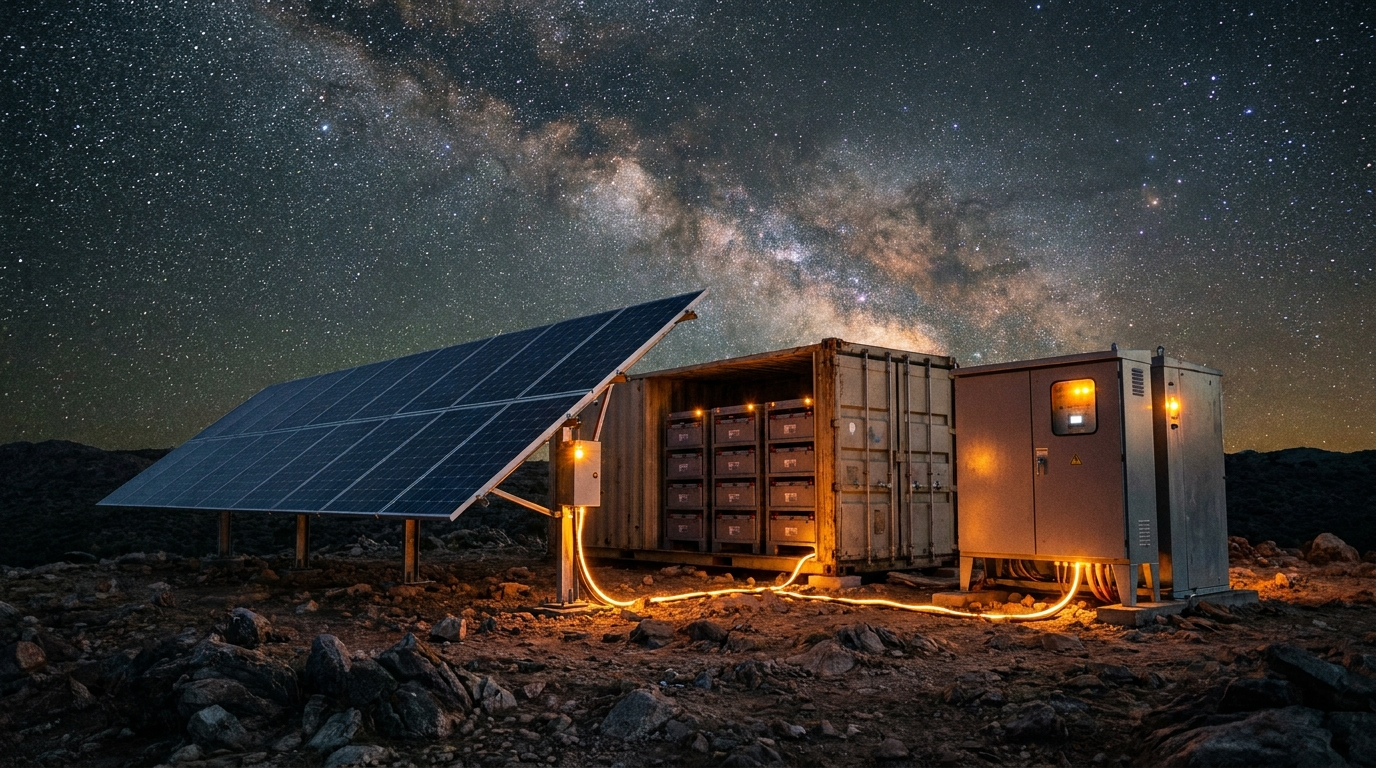
Energy independence is not a single switch you flip; it is a ladder you climb. At the bottom sits a grid-tied solar array that trims your daytime bill. At the top sits a fully off-grid microgrid that needs no poles or wires at all. Most households land somewhere in between, and the smartest path is a deliberate progression where each rung pays for itself and prepares the ground for the next. Understanding the stages lets you invest in the right order rather than overbuilding before you need to.
Stage One: Grid-Tied Solar
The first rung is rooftop solar without storage. Panels offset consumption while the sun shines and export surplus to the grid for a feed-in tariff. It is the cheapest entry point and delivers immediate savings, but your independence is shallow: at night and during a blackout you are entirely reliant on the network. This stage is about generation, and it lays the foundation that storage will later make far more valuable.
Stage Two: Solar Plus Storage
Adding a battery transforms the picture. Now your midday surplus is captured rather than exported cheaply, and released across the evening peak. This is where load-shifting begins to bite and where the bulk of bill reduction lives for most homes. With a battery you also gain backup capability, keeping essential circuits alive through short outages. You remain grid-connected, but you import far less and on your own terms.
- Grid-tied solar: lowest cost, daytime savings, no blackout protection
- Solar plus storage: load-shifting, evening cover, partial backup
- Hybrid with VPP: storage that also earns from grid services
- Full off-grid microgrid: total autonomy, larger system, no network bills
Stage Three: Off-Grid Microgrids
The final rung cuts the cord entirely. A true off-grid system needs generation, storage and management sized for the worst week of the year, not the average, because there is no grid to fall back on. That usually means a larger array, substantial battery capacity and often a backup generator for prolonged cloudy spells. For remote properties beyond the network it can be cheaper than a grid connection; for suburban homes it is usually an aspiration rather than an economic necessity. Most owners find the hybrid stage, deep self-consumption while staying connected, hits the sweet spot of resilience and cost.
The right destination depends on your property, your tolerance for upfront cost and your appetite for autonomy. At NexusCore we map the ladder to your situation so each step is justified on its own merits, and you reach genuine independence without paying for capacity ahead of its time.
More from the knowledge hub

Load-Shifting Explained: Turning Sunlight Into Savings After Dark
Load-shifting moves your energy use to the cheapest, cleanest hours so midday solar powers your home long after sunset.
The BESS Buyer's Guide: Chemistry, Cycles and Round-Trip Efficiency
A practical guide to battery energy storage: comparing chemistries, cycle life, depth of discharge and the efficiency that decides real savings.
Virtual Power Plants 101: How Your Battery Earns While You Sleep
Virtual power plants pool thousands of home batteries into a single grid resource, letting your storage earn revenue and support the network.
Ready to engineer your energy independence?
Book a free site assessment and energy model. We'll size the solar, the BESS and the load-shifting strategy — and show you the payback before you commit.