Store the surplus, spend it when it matters
A battery turns solar from a daytime perk into a 24-hour asset. NexusCore engineers BESS solutions — from home units to containerised grid-scale systems — around chemistry, round-trip efficiency and the arbitrage your tariff makes possible.
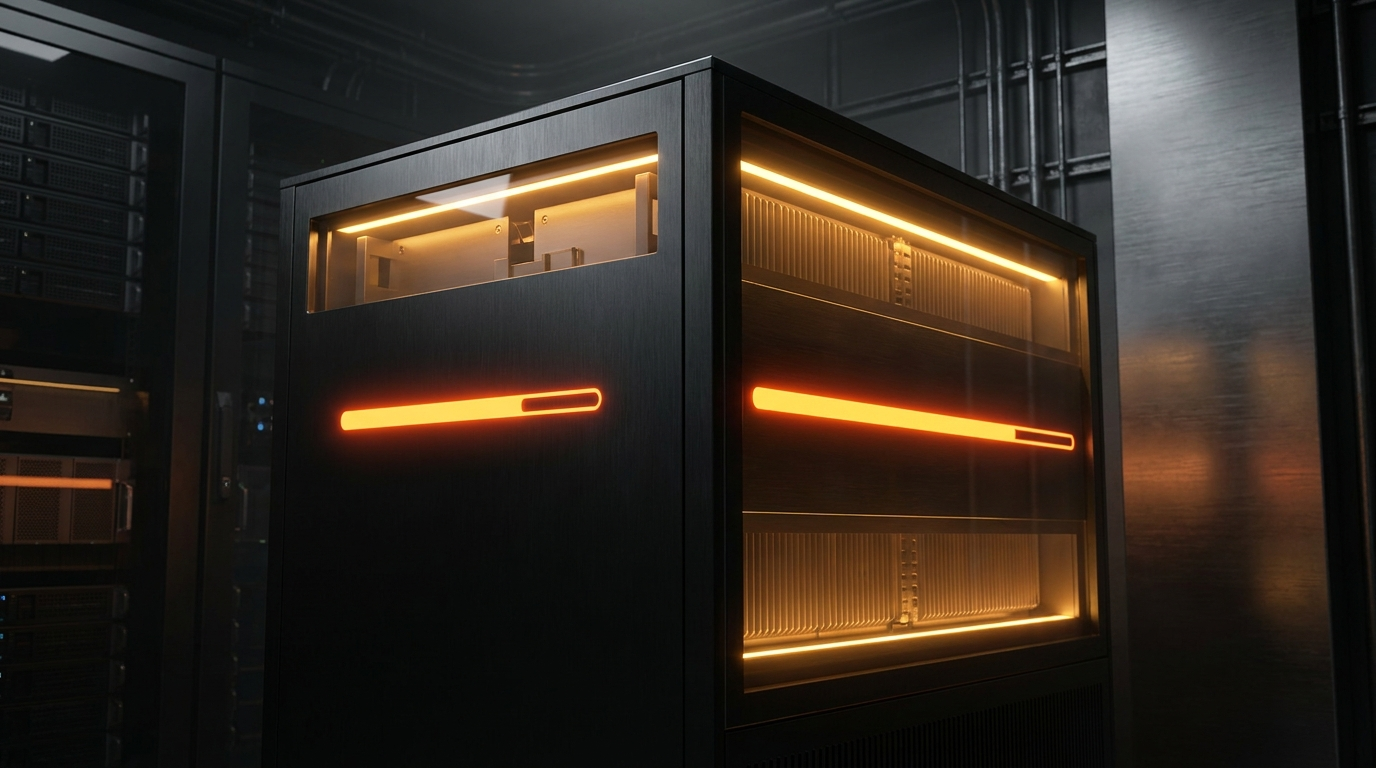
Battery energy storage is the keystone of modern energy strategy because it decouples when you generate from when you consume. Solar produces a midday surplus; demand peaks in the evening. A BESS bridges that gap, storing cheap or self-generated energy and releasing it during the hours that cost the most. NexusCore designs storage for every scale — residential cabinets, commercial peak-shavers and containerised grid-scale systems — but the underlying logic is always the same: capture the cheapest electrons and spend them against your most expensive imports.
Chemistry matters more than spec sheets suggest. We deploy lithium iron phosphate (LFP) for most stationary applications because of its thermal stability, long cycle life beyond 6,000 cycles, and safe degradation profile, reserving other chemistries for niche high-density or long-duration needs. Just as important is round-trip efficiency: a quality LFP system returns around 90 per cent of the energy it stores, so the arbitrage maths actually works. A cheap battery that loses 20 per cent every cycle quietly erodes the very savings it was bought to deliver.
What storage unlocks
- Load-shifting solar surplus into expensive evening peak hours
- Peak-demand shaving to cut commercial demand charges
- Tariff arbitrage between off-peak charging and peak discharge
- Blackout backup and resilience for critical loads
- VPP eligibility to earn revenue from grid-services markets
Arbitrage and round-trip economics
The financial case for a battery is built on spread. On a time-of-use tariff, the gap between off-peak and peak rates — combined with avoided peak imports of your own solar — defines how much each cycle earns. With 90 per cent round-trip efficiency, almost all of that spread flows to you. We model your specific tariff, your self-consumption shortfall and your peak exposure to size a system that cycles often enough to pay back without oversizing into idle, unused capacity.
From backup to grid asset
A NexusCore BESS does three jobs at once: it shifts your load, it protects you through outages, and it can earn. By enrolling eligible batteries into virtual power plant and demand-response programs, your storage provides grid stability and frequency support during stress events — and is paid for it. That transforms the battery from a sunk resilience cost into a productive asset that works for you every hour it is not needed for backup.
The right battery is the one matched to your load, your tariff and your goals — not the biggest one on the shelf. Share your usage profile and we'll model capacity, chemistry, round-trip economics and payback before you spend a dollar. Get your battery sizing assessment and start spending your stored energy when it matters most.
Battery Storage (BESS) questions
For most stationary storage we use lithium iron phosphate (LFP) for its thermal stability, long cycle life beyond 6,000 cycles and safe degradation. Other chemistries suit niche high-density or long-duration cases, but LFP delivers the best blend of safety, longevity and round-trip efficiency for homes, businesses and most grid-scale systems.
Round-trip efficiency is the share of stored energy you get back. A quality LFP system returns around 90 per cent, so nearly all of your charge-discharge arbitrage flows to you. A cheaper battery losing 15 to 20 per cent per cycle erodes savings every single day, which is why we prioritise efficiency over headline capacity when modelling payback.
Yes, and that is how we design them. A BESS can reserve capacity for blackout backup while cycling the remainder daily for load-shifting and tariff arbitrage, then provide grid services through a VPP. We configure the reserve and cycling split around your priorities so the battery earns its keep without compromising resilience.
Quality LFP batteries are warranted for around ten years and routinely exceed 6,000 cycles, often retaining 70 per cent or more of original capacity at end of warranty. Because they degrade gradually and safely rather than failing abruptly, they keep delivering useful storage and arbitrage value well into their second decade for most usage patterns.
Let's power your independence
Transparent modelling, accredited engineering and storage that pays for itself — start with a free NexusCore energy model.