Virtual Power Plants 101: How Your Battery Earns While You Sleep
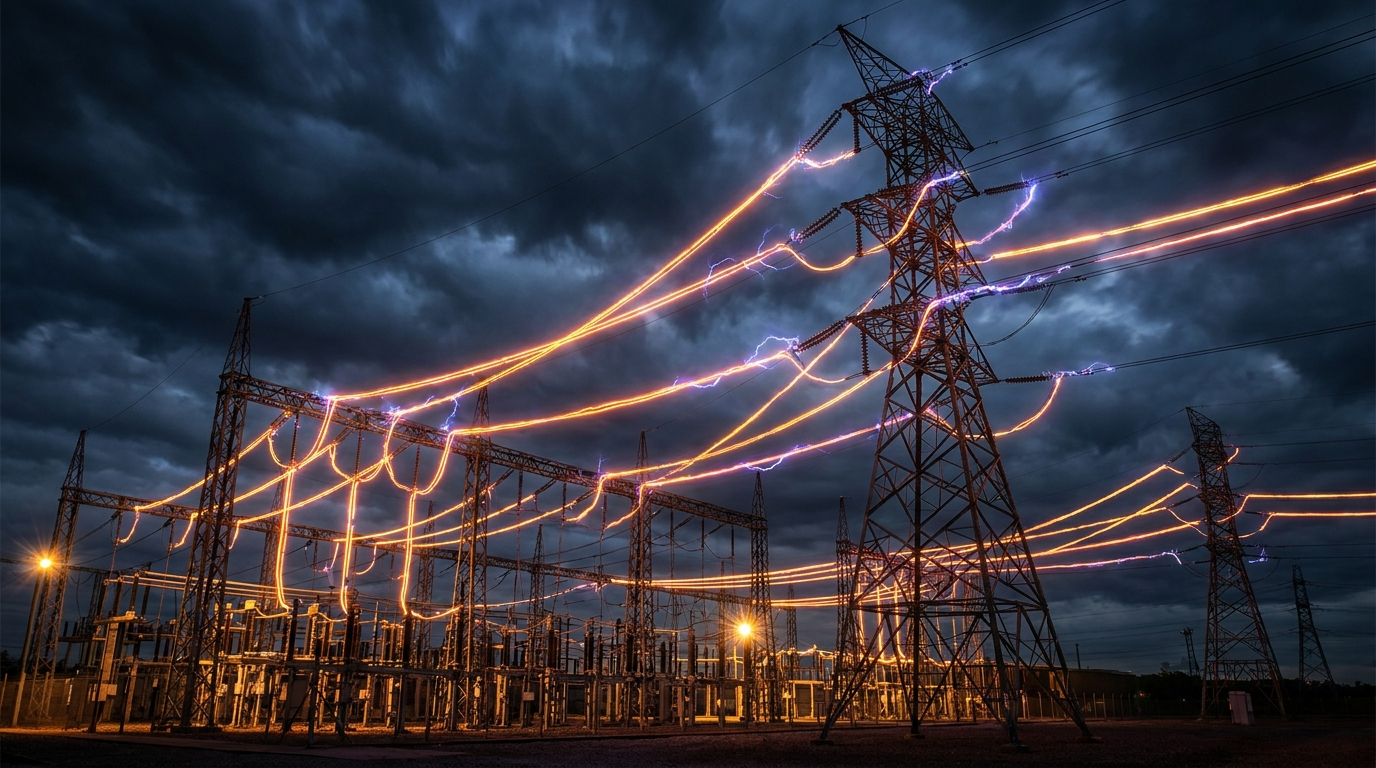
Individually, a home battery is a private store of energy. Pooled together with thousands of others under intelligent coordination, those same batteries become a virtual power plant, or VPP, that behaves like a single large generator the grid can call on. A VPP lets your storage do more than power your own evenings: it can sell energy and grid services into the market, earning you revenue from an asset that would otherwise sit idle, often while you are fast asleep.
How a VPP Actually Works
A VPP operator aggregates the spare capacity across its fleet of connected batteries and dispatches it in coordination with grid conditions. When the network is strained and wholesale prices spike, the operator can discharge a slice of energy from many homes at once to support supply. When solar is abundant and prices are low, it can charge those same batteries. Each household sets rules and reserves so the system never leaves you short, but within those limits the aggregated fleet responds to market signals with a speed and scale no single home could achieve.
- Aggregation pools many small batteries into one dispatchable resource
- Operators trade energy and provide frequency and reserve services
- You keep a guaranteed reserve for your own household needs
- Participation typically earns credits, payments or reduced tariffs
What You Earn, And What You Give Up
VPP participation usually rewards you through a mix of upfront credits, ongoing payments per discharge event, or preferential energy plans. In exchange, you grant the operator limited rights to use your battery's spare capacity at chosen moments. The trade is rarely onerous: events are brief, capped, and bounded by your reserve settings, so the impact on your own backup and self-consumption is small. The key is reading the agreement carefully so you understand the reserve guarantees, the frequency of events and how compensation is calculated.
The Grid Benefit
Beyond the household ledger, VPPs are reshaping how Australia's grid stays stable. As coal generators retire and rooftop solar floods the system at midday, the network needs fast, distributed resources that can absorb surplus and inject power on demand. AEMO and the Clean Energy Regulator increasingly see coordinated home batteries as part of that answer. By joining a VPP you are not only earning, you are lending your storage to a collective buffer that makes the whole system more resilient. It is energy independence that also strengthens the grid you remain connected to.
More from the knowledge hub

Load-Shifting Explained: Turning Sunlight Into Savings After Dark
Load-shifting moves your energy use to the cheapest, cleanest hours so midday solar powers your home long after sunset.
The BESS Buyer's Guide: Chemistry, Cycles and Round-Trip Efficiency
A practical guide to battery energy storage: comparing chemistries, cycle life, depth of discharge and the efficiency that decides real savings.
The Path to Energy Independence: From Grid-Tied to Off-Grid
Energy independence is a spectrum from grid-tied solar to a full off-grid microgrid. Here is how to climb it deliberately and affordably.
Ready to engineer your energy independence?
Book a free site assessment and energy model. We'll size the solar, the BESS and the load-shifting strategy — and show you the payback before you commit.