Protecting the yield of your assets
Servicing solar PV and battery storage — string testing, inverter diagnostics, performance monitoring, and AS/NZS 5033 compliance checks.
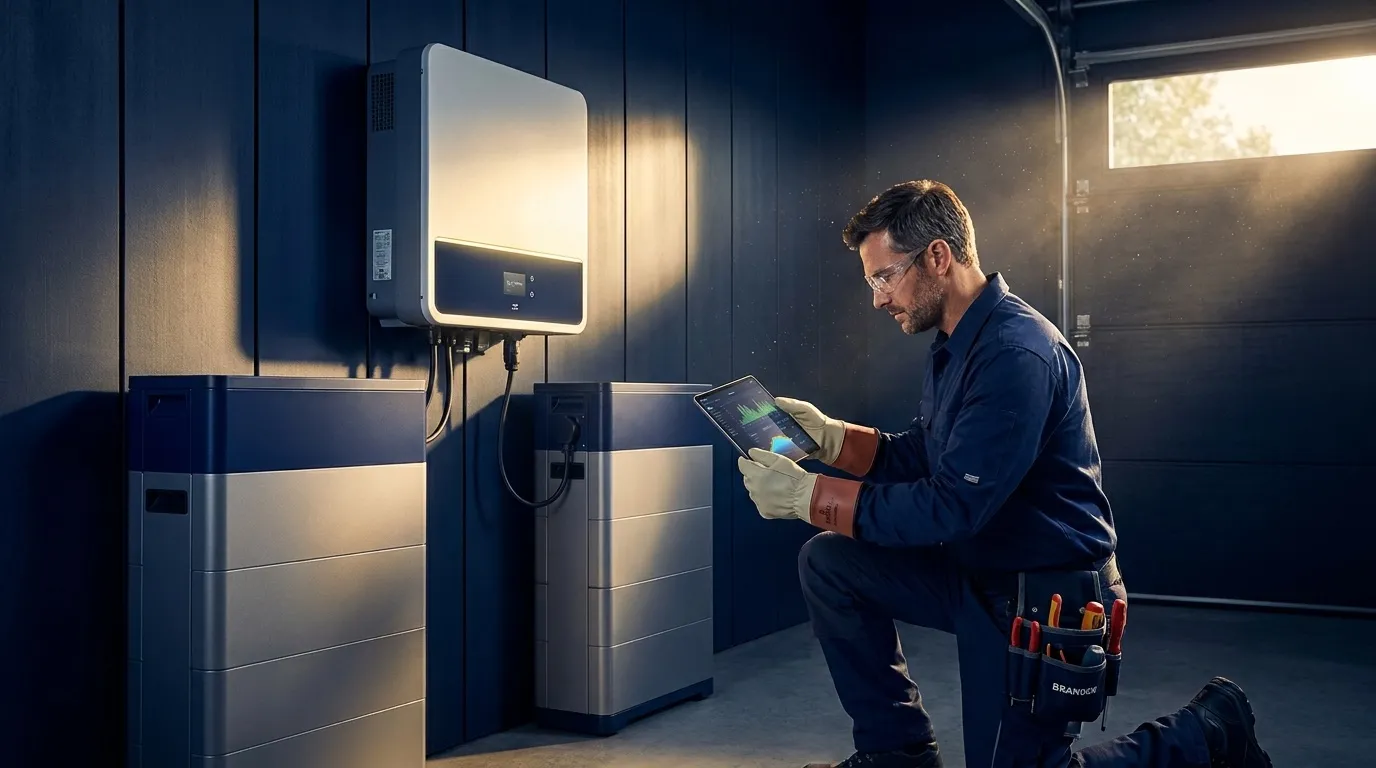
A solar photovoltaic system is a long-duration asset with a design life measured in decades, but its yield is not guaranteed by the quality of the initial installation alone. Soiling, shading growth, connector degradation, inverter faults, cell micro-cracking, and battery capacity fade are real and progressive processes that reduce the energy output and financial return of every unserviced system. Apex Current Solutions provides structured maintenance programs for PV arrays and battery storage systems that protect the yield your asset was designed to deliver, identify developing faults before they become outages or safety hazards, and keep the system operating in compliance with AS/NZS 5033 for PV array installation and maintenance and the standards governing your battery storage chemistry.
The case for professional maintenance is straightforward arithmetic. A commercial PV system losing two percent of its rated output annually through unmanaged soiling, connector resistance creep, and inverter degradation will underperform its production model by more than eighteen percent over a decade. On a system sized to displace two hundred thousand dollars of grid energy annually, that variance represents more than thirty-six thousand dollars of cumulative lost return. A structured maintenance program that prevents or corrects the contributing defects costs a fraction of that figure, delivering a return on the service investment that compares favourably with virtually any other capital allocation available to a facility owner.
PV Array Inspection, Cleaning, and Performance Verification
Array maintenance begins with a systematic physical inspection covering the full generation surface. Our accredited PV technicians inspect every module for cell discolouration, delamination, hotspot signatures, glass integrity, and frame corrosion. They verify the condition of string combiner boxes, DC isolators, and all conduit and cabling exposed to UV and thermal cycling. Mounting hardware is checked for corrosion, torque retention, and evidence of movement. Any penetration through the building envelope is inspected for seal integrity to protect against water ingress that damages both the array and the structure beneath it.
Performance verification follows the physical inspection. We download production data from the inverter and compare actual generation against the modelled output for the same period, weather-adjusted using irradiance data from a local reference station or the system's own irradiance sensor. String-level voltage and current measurement under stable irradiance conditions allows us to identify underperforming strings and isolate the cause: shading, soiling differential, failed bypass diodes, or a module that has drifted outside its expected performance band. Where the diagnosis indicates a warranty-eligible defect, we prepare the technical evidence required to support a manufacturer claim on your behalf.
- Full module inspection including thermal imaging under load to identify hotspots, cell cracking, bypass diode failure, and developing lamination defects
- String-level electrical measurement of open-circuit voltage, short-circuit current, and insulation resistance to AS/NZS 5033 maintenance requirements
- DC and AC wiring inspection including connector condition assessment, conduit integrity, and earthing continuity verification across the full array
- Inverter health check covering error log review, firmware currency, ventilation, cooling system performance, and DC and AC connection integrity
- Battery storage inspection including capacity verification, cell voltage balance, thermal management system function, and BMS firmware and settings audit
Inverter Diagnostics and Battery Health Monitoring
The inverter is the single most failure-prone component in a PV system and the primary determinant of whether the energy generated by the array actually reaches the load. Inverter faults range from nuisance communication errors that the device self-clears through persistent MPPT tracking errors that suppress output to internal component failures requiring board-level repair or unit replacement. Our technicians access the inverter event log, review active and historical fault codes, and assess power stage performance against the manufacturer's diagnostic parameters, distinguishing conditions that can be resolved on-site from those requiring specialist repair or warranty escalation.
Battery storage systems introduce an additional layer of maintenance complexity that is frequently underestimated by system owners. Lithium chemistry cells degrade through both calendar ageing and cycle throughput, and the rate of that degradation is strongly influenced by operating temperature, the state-of-charge range the battery management system enforces, and the accuracy of BMS calibration. Our battery maintenance service includes a capacity verification test that measures actual deliverable energy against the nameplate rating, a cell voltage balance assessment that identifies groups developing ahead of the pack, a thermal management system functional check, and a BMS firmware audit to ensure the system is operating with current software incorporating the manufacturer's latest protection parameter refinements.
Compliance Checks and Performance Optimisation
Regulatory and standards requirements for PV and battery systems evolve as the technology matures and as grid-connection rules are updated by network service providers. Apex Current Solutions conducts compliance checks against the current requirements of AS/NZS 5033, the Clean Energy Council installation guidelines applicable to your system vintage, and any specific conditions attached to your network connection agreement. Where a legacy system has fallen outside current requirements due to changes in standards or grid rules, we prepare a compliant remediation scope and carry out the rectification work under our master electrician licence, issuing a Certificate of Compliance for Electrical Work that documents the installation has been brought to the current standard. Our ongoing maintenance contracts include annual performance reporting against the system design model, providing asset owners and their finance teams with documented evidence required for internal reporting, insurance purposes, and any future sale or refinance of the facility in which the system is installed. Contact Apex Current Solutions to establish a maintenance program that protects the yield and the longevity of your solar and battery investment.
At a glance
Solar & Battery Maintenance — your questions answered
We recommend a minimum annual maintenance inspection for commercial arrays, with six-monthly inspections for systems in dusty, coastal, or industrial environments where soiling and corrosion rates are elevated. High-capacity battery storage systems benefit from six-monthly checks to monitor cell balance, capacity retention, and BMS calibration, given the rate at which electrochemical degradation accumulates in high-cycle applications.
Monitoring data confirms the inverter is operating, but it does not identify all developing defects. Connector resistance creep, hotspot formation, and mechanical degradation of mounting hardware are not visible in production data until the defect is advanced. Thermal imaging and physical inspection identify these conditions before they cause a measurable production loss, making scheduled maintenance complementary to rather than replaceable by remote monitoring.
A capacity test involves fully charging the battery to its maximum state of charge, discharging it to the minimum under a controlled and measured load, and logging the actual energy delivered. The measured figure is compared against the nameplate rated capacity and the manufacturer's degradation curve for the system's age and cycle history, and any material shortfall triggers further investigation of cell balance and BMS parameters.
Yes. We maintain PV and battery systems installed by any licensed contractor, provided the installation meets the baseline requirements of AS/NZS 5033 and the relevant network connection conditions. Where deficiencies in the original installation are identified during the first service visit, we document them clearly and present a prioritised remediation scope so you have a complete picture of the asset's condition before committing to any rectification expenditure.
Related capabilities

Emergency Electrician
24/7 rapid response to outages, faults, and storm damage — make-safe and continuity when it matters.
Learn more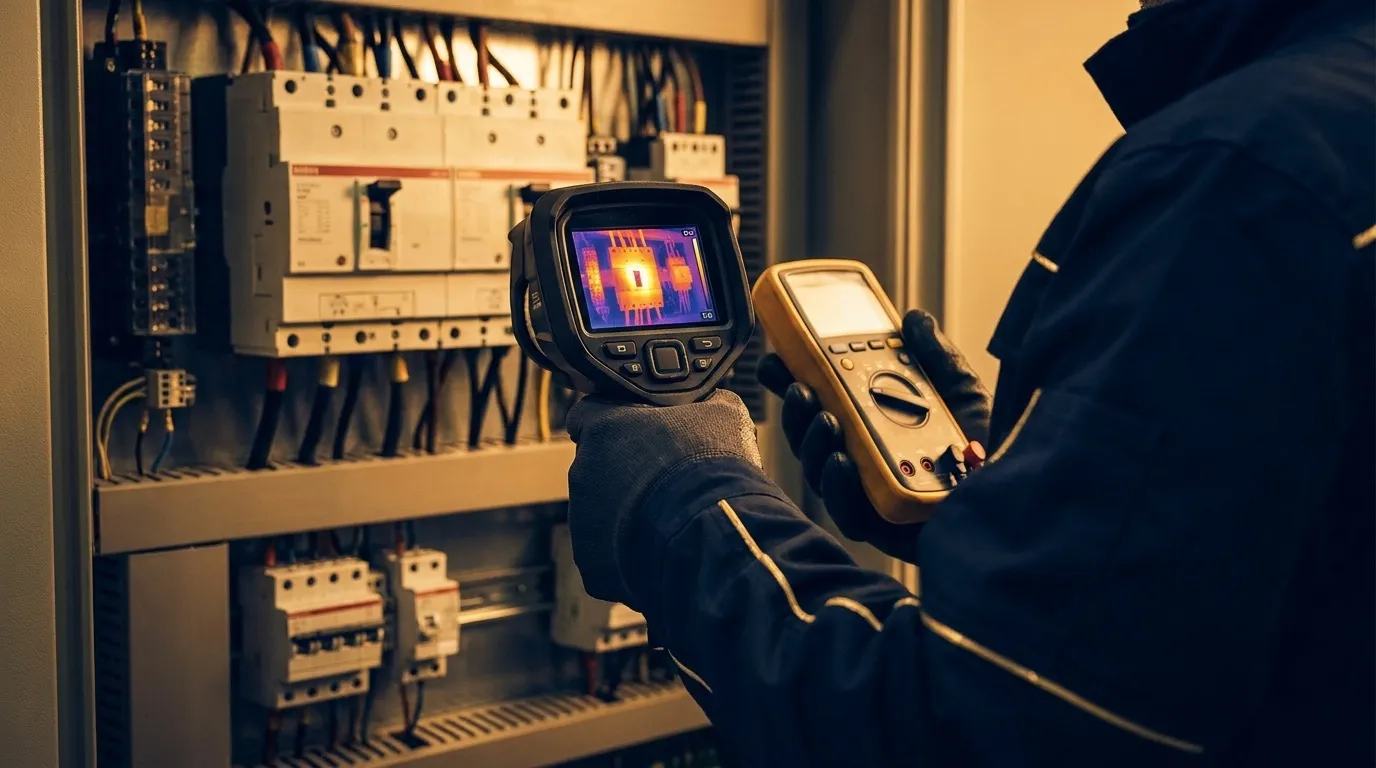
Fault Finding & Diagnostics
Systematic diagnosis of tripping and intermittent faults with thermal imaging and insulation testing.
Learn more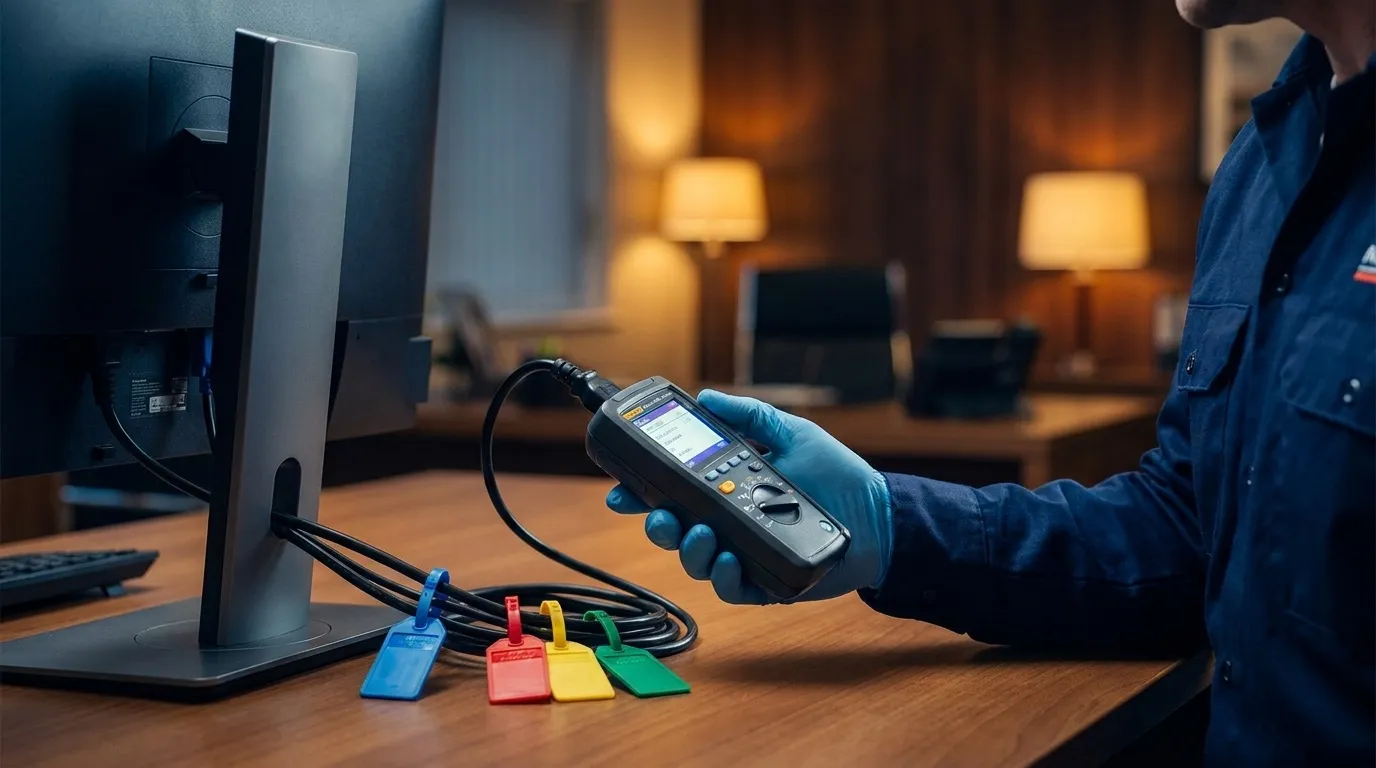
Test & Tag
Portable appliance testing and RCD testing to AS/NZS 3760, with asset registers and scheduled compliance.
Learn moreReady to scope your solar & battery maintenance project?
Our licensed electricians and estimators will assess your site, define a compliant scope, and deliver a clear fixed quote — with no obligation.