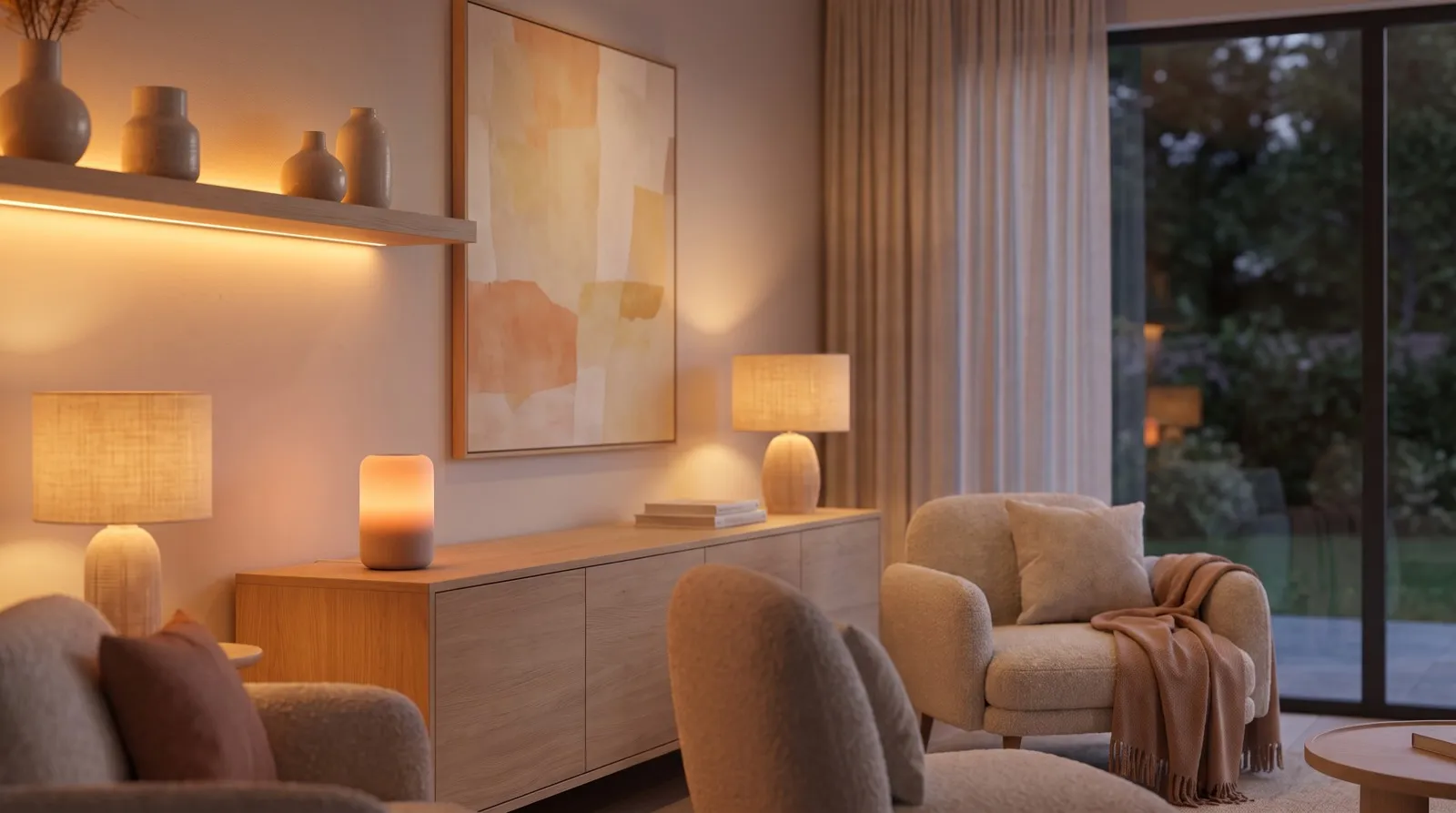
The phrase 'smart home' carries a lot of weight. It conjures images of elaborate control panels, endless app configurations, and systems that require a degree in computer science to manage. The reality, when you approach it thoughtfully, is much quieter and more satisfying than that. A genuinely smart home is simply one where the technology serves your daily rhythms rather than demanding attention from them.
Start With One Problem, Not a Vision
The most common mistake first-time smart home adopters make is trying to automate everything at once. The result is usually a collection of incompatible devices, subscription apps nobody uses, and a growing sense of frustration. A far better approach is to identify one specific thing that mildly irritates you every day and solve that first.
Common starting points that tend to deliver immediate satisfaction: lights that turn on before you get home, the ability to turn off every light in the house from your bed without getting up, a thermostat that learns your schedule, or a doorbell that lets you see who is there from your phone. These are small changes with surprisingly large quality-of-life returns.
Choose a Platform Before You Buy Anything
The smart home ecosystem is divided into platforms, and the devices you choose need to speak the same language. The three most widely adopted in Australia are Google Home, Amazon Alexa, and Apple HomeKit. Each has strengths: HomeKit is widely regarded as the most privacy-conscious and integrates beautifully with iPhones and Macs; Google Home tends to have the broadest device compatibility; Alexa has a large ecosystem and works well for voice control.
The Matter standard, which was finalised in late 2022 and has been gaining adoption steadily, promises to make devices more interoperable across platforms, which is a welcome development. Ask your electrician or lighting studio which devices in their range support Matter before committing.
Where Smart Lighting Fits In
- Smart switches, installed by a licensed electrician, are generally preferable to smart globes because they work with any lamp or fixture and do not require re-pairing whenever a globe is replaced.
- Scene control allows you to create lighting moods for morning, evening, dining, and movie-watching at the touch of a button or a simple voice command.
- Presence detection, using motion sensors or your phone's location, can ensure lights turn off automatically when rooms are unoccupied, reducing energy waste without requiring you to remember.
- Dimming schedules can shift your home to warmer, dimmer light after 8pm, supporting natural sleep rhythms without any manual action required.
- Integrate smart lighting with your security system so lights flash or activate when a camera detects motion outside.
Work With a Licensed Electrician From the Start
Many smart home upgrades, particularly those involving smart switches, hardwired sensors, new circuits for EV chargers or battery storage, and any work inside the switchboard, legally require a licensed electrician in Australia. Attempting these as DIY projects is both illegal and genuinely dangerous. The benefit of involving a licensed professional early is that they can plan the wiring infrastructure in a way that makes future expansion straightforward rather than an expensive retrofit.
Build Slowly and Meaningfully
Give yourself permission to build your smart home over months or even years rather than weekends. Add one system, live with it for a month, understand what it actually does for you, and then decide what to add next. The homes we admire most are not the ones with the most devices. They are the ones where every piece of technology was chosen deliberately, installed correctly, and quietly earns its place every single day.