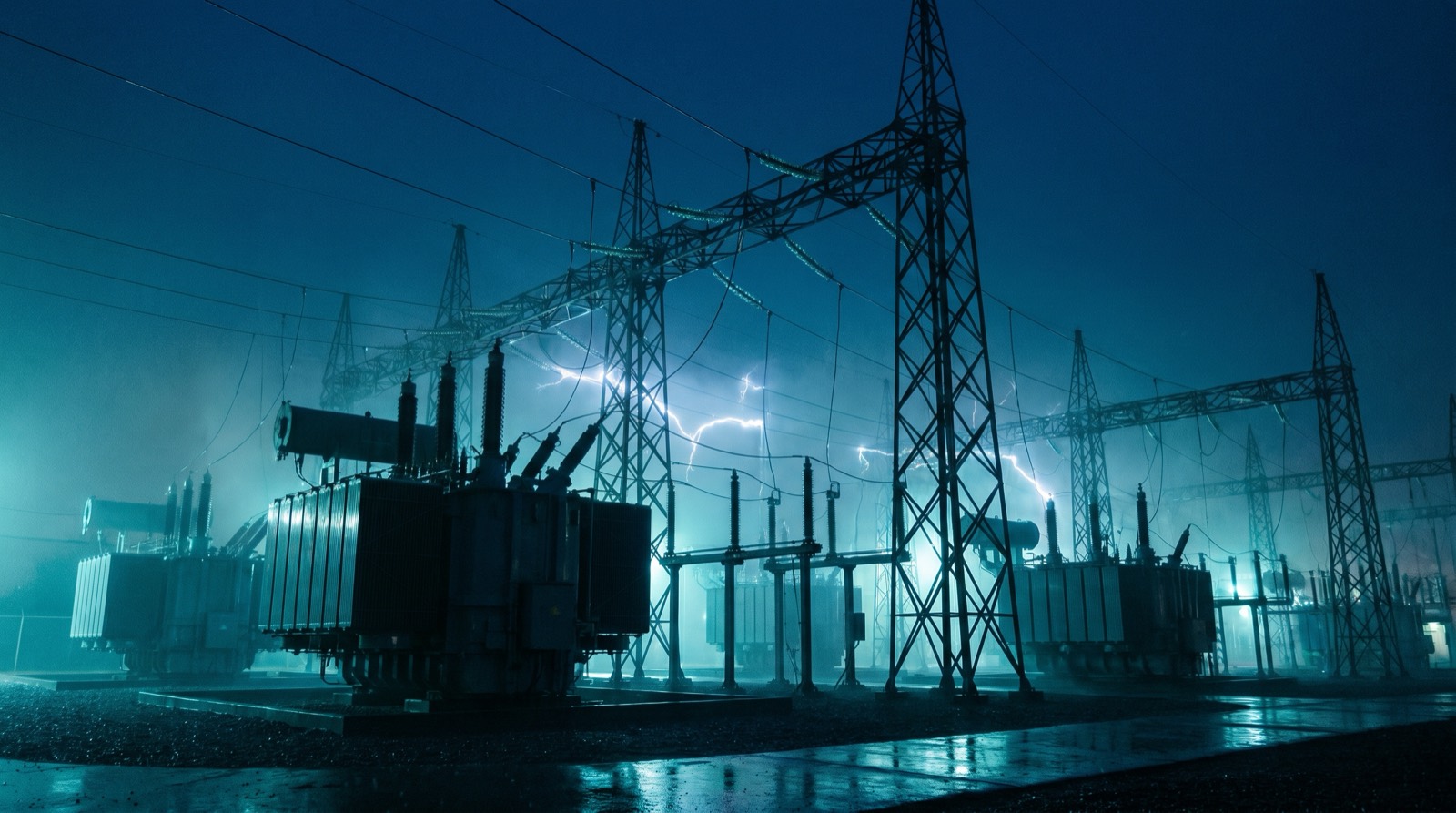
The cheapest input to a solar project is increasingly the solar itself. The most expensive — and most uncertain — is permission to connect it to the grid. Across major markets, the volume of generation and storage capacity sitting in interconnection queues now dwarfs the installed fleet by a wide margin, with terawatts of proposed capacity waiting on studies that can take three to five years to complete. The binding constraint on deployment has migrated from module supply chains and capital cost to the procedural and physical bottleneck of grid interconnection.
How the queue actually works
When a developer proposes a project, it enters a queue and triggers a sequence of engineering studies: a feasibility study, a system impact study, and a facilities study. Each evaluates how the project affects power flows, voltage, stability, and thermal limits on the surrounding network, and each assigns the developer a share of any required network upgrades. Historically these were processed serially and first-come-first-served, so a single large project withdrawing near the front could force restudies of everything behind it — a cascading delay mechanism that compounds backlogs.
The economic problem is the allocation of network upgrade costs. Under many tariffs, the project that happens to trip a thermal limit inherits the full cost of the upgrade that resolves it, even though later projects free-ride on the new capacity. A single interconnection cost allocation can swing from a few dollars per kilowatt to several hundred, turning an otherwise financeable project uneconomic overnight. This cost uncertainty, more than the study timeline itself, is what kills projects.
Speculative projects and queue inflation
A large share of queued capacity will never be built. Low barriers to entry historically let developers submit numerous speculative positions to preserve optionality, knowing they could withdraw cheaply if study results were unfavorable. Completion rates from queue entry to commercial operation have historically run below 20% in some regions, which means operators are studying four or five megawatts of phantom capacity for every megawatt that energizes. That phantom load is the principal driver of restudy churn and timeline blowout.
Operators have responded by overhauling the rules. The structural reforms now reshaping queues across markets share a common logic — make the queue reflect real, ready projects and price upgrades fairly:
- Cluster studies that evaluate batches of projects together rather than serially, allocating shared upgrade costs proportionally across the cohort
- Higher commercial-readiness deposits and site-control requirements that screen out speculative entries before they consume study resources
- Withdrawal penalties that internalize the restudy cost a departing project imposes on the rest of the queue
- 'First-ready, first-served' frameworks that prioritize mature projects over those merely first in line
- Surplus interconnection service, letting storage co-locate behind an existing point of connection without a new full study
The physical constraint behind the paperwork
Reforming study procedures addresses the administrative bottleneck, but it cannot conjure transmission capacity that does not exist. The deeper constraint is that the best solar and wind resources sit far from load centers, and the high-voltage transmission needed to move that power has been built at a fraction of the pace of generation. Permitting timelines for new transmission lines routinely exceed a decade, dwarfing the two-to-three years needed to build the generation itself.
This mismatch explains why storage is increasingly the pragmatic interconnection strategy. A co-located battery lets a developer size the grid export to a lower value than the array's nameplate, clipping the peak that would otherwise trip a thermal limit and dramatically reducing required network upgrades. By managing the marginal loss factor and congestion exposure at a constrained node, storage converts an un-interconnectable project into a buildable one — often the difference between a viable and a dead position in the queue.
What this means for deployment economics
For developers, the queue has reordered the entire risk profile of a project. Site selection now optimizes as much for available headroom and favorable cost allocation as for irradiance. Securing an interconnection position with a bounded, studied upgrade cost is frequently worth more than a marginally better solar resource, because it collapses the single largest source of schedule and budget variance. Sophisticated developers run network analysis early, target nodes with existing capacity, and structure projects to qualify for surplus interconnection service.
The strategic outlook is that hardware deflation has run its course as a growth driver; the next decade of solar expansion will be paced by grid infrastructure and queue reform, not panel prices. Markets that successfully implement cluster studies, readiness deposits, and proactive transmission planning will deploy clean capacity years faster than those that do not. For investors, the implication is to underwrite the queue as rigorously as the resource — because in 2026, the interconnection agreement, not the module, is the scarce asset.