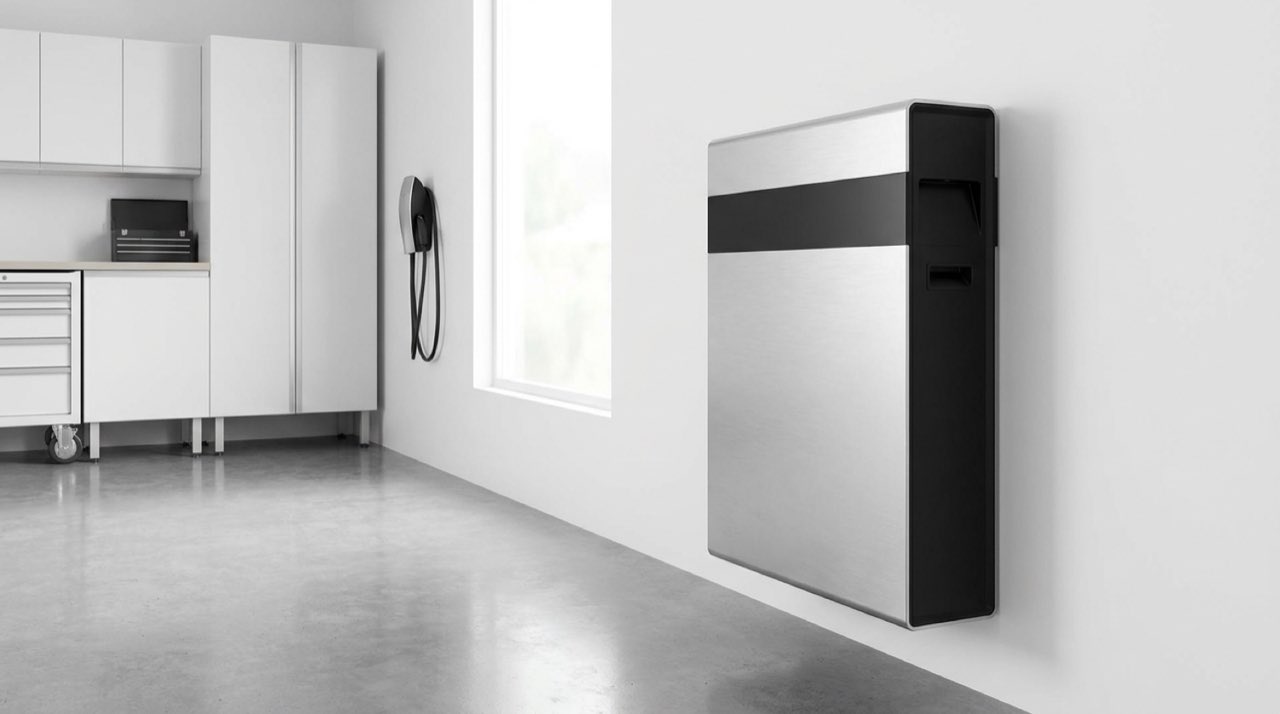
Battery storage in Australia has moved well past early adopter territory. Lithium iron phosphate (LFP) chemistry has become the dominant technology for residential and light commercial installations, and with good reason: LFP cells carry no thermal runaway risk from cobalt-based chemistries, tolerate deep daily cycling without significant capacity degradation, and now come with ten-year performance warranties from tier-one manufacturers. Combined with the 2026 federal home battery rebate — which reduces upfront cost for eligible households by up to four thousand dollars — the economics of adding storage to an existing or new solar system have shifted decisively.
Zenith Solar Tech is a CEC-accredited design-and-install business and an approved installer under the federal rebate program. Every battery system we commission is engineered to AS/NZS 5139 and the relevant DNSP connection requirements for your network area, with protection settings configured for both normal grid-tied operation and seamless islanding during an outage. We do not offer a standard package and mark it up — we produce a load-matched design for each site and stand behind it.
Sizing storage to your load, not your aspiration
The most common mistake in battery selection is purchasing capacity by the kilowatt-hour figure alone without accounting for the usable capacity after the manufacturer's depth-of-discharge limit, the inverter's continuous power rating and the actual load profile of the household. A ten-kilowatt-hour nominal battery with an eighty percent depth-of-discharge ceiling provides eight kilowatt-hours of usable energy — but if your evening peak draw runs to five kilowatts, you also need a hybrid inverter capable of sustaining that output without curtailment. Our designs model both dimensions so the system you buy is the system that actually performs.
For households with time-of-use tariffs, the financial logic of storage is straightforward: charge from solar during the day, discharge during the peak rate window in the evening, and buy grid power only during off-peak overnight periods when it is cheapest. Our modelling typically shows payback periods of six to nine years on correctly sized systems at 2026 electricity prices — and that calculation does not yet include any VPP revenue the battery may earn on top.
What a well-designed battery system includes
- LFP cell chemistry with a minimum ten-year capacity warranty at eighty percent retained capacity
- Hybrid inverter sized to support both solar charging and backup load simultaneously
- Automatic transfer switch for sub-second grid failover without manual intervention
- DNSP-compliant protection relay settings and AS/NZS 5139 installation to letter
- Energy management system with consumption monitoring, state-of-charge reporting and remote diagnostics
- Pre-configured VPP gateway ready for aggregator enrolment if the owner chooses to participate
Backup and blackout protection
Grid reliability in many Australian network areas has not improved at the rate customers were promised, and extreme weather events are compressing the time between outages. A battery with a properly configured automatic transfer switch will island your critical loads — refrigeration, lighting, medical equipment, a modem — within milliseconds of a grid failure, invisibly and without requiring you to do anything. The duration of backup depends on the load you put on it: a well-planned critical circuit panel drawing two kilowatts from an eight-kilowatt-hour usable battery gives you four hours of autonomy, which covers most outage events. For longer protection we can integrate generator connection or right-size a larger capacity.
Businesses with sensitive loads — cold storage, server infrastructure, point-of-sale systems — benefit from the same architecture at a larger scale. Light commercial systems from thirty to one hundred kilowatt-hours are now financially viable, particularly where demand charges apply. A battery that shaves the peak demand spike that drives your network tariff can reduce the demand component of your bill by twenty to forty percent, often delivering a payback independent of any solar generation benefit.
The federal home battery rebate introduced in 2026 applies to stand-alone battery installations as well as those paired with new solar, provided the installer is accredited and the system meets minimum technical specifications. The rebate is means-tested and scales with system capacity up to the program cap. We handle all paperwork and lodge the rebate claim on your behalf at no additional charge — you see the discount at the point of sale rather than waiting for a reimbursement.
Frequently asked
Does the 2026 federal home battery rebate apply if I already have solar and am adding storage only?
Yes. The rebate applies to battery storage systems installed as a standalone addition to an existing solar array, provided the solar system is operational and metered, the battery meets the minimum capacity threshold, and the installer holds current CEC accreditation. We can confirm your eligibility during the design consultation and will manage the application process on your behalf.
Which battery chemistry does Zenith recommend and why?
We specify lithium iron phosphate (LFP) as our standard for residential and commercial installations. LFP has no cobalt in the cathode, which eliminates the thermal runaway risk associated with NMC chemistry, and the cycle-life data at ten thousand cycles to eighty percent depth-of-discharge is consistent with real-world longevity at the daily cycling rates most households and businesses run. Manufacturers now back this with ten-year performance warranties, which aligns with the financial payback horizon of most projects.
What happens to my battery if I join a VPP and the aggregator dispatches it when I need the power?
All reputable VPP programs operate within a reserve setting that protects a defined state-of-charge floor for household use — typically twenty to thirty percent. The aggregator can only dispatch above that floor, and your home loads are always prioritised over VPP dispatch events. If you are uncomfortable with dispatch on a given day, for example before a forecast outage, most platforms allow you to pause participation temporarily through an app.