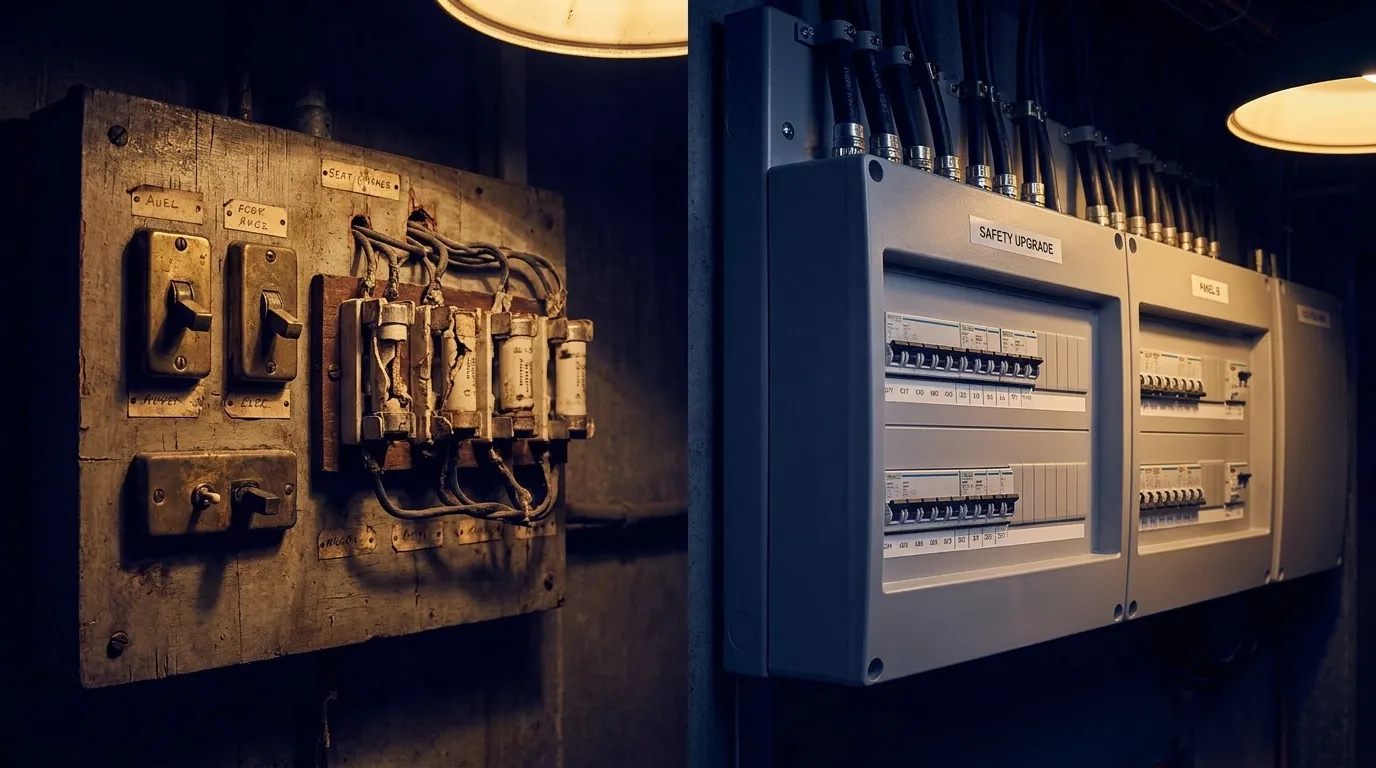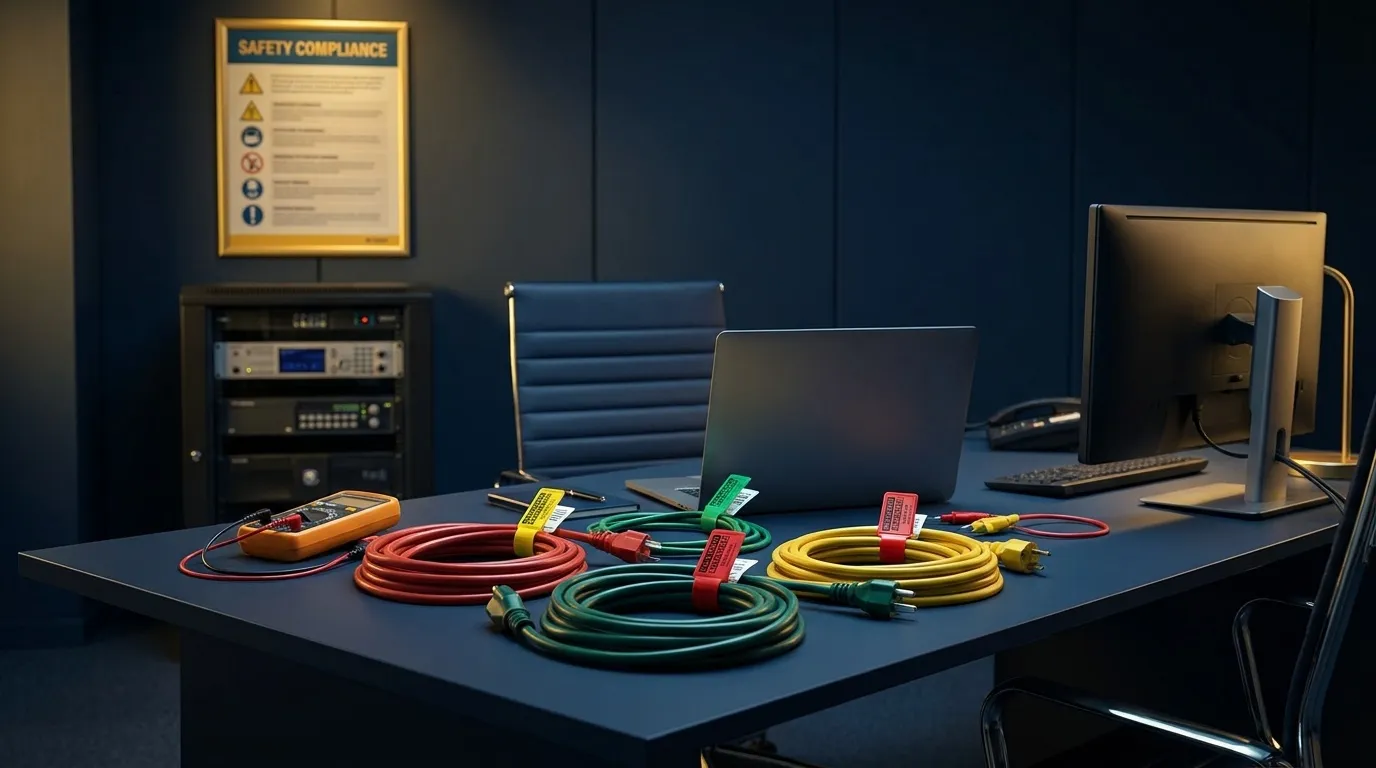
Workplace electrical safety in Australia rests on two parallel pillars: the fixed wiring installation, governed by AS/NZS 3000 and managed through licensed electrical contracting, and the portable electrical appliances and cord sets that move through the workplace every day — power tools, extension cords, IT peripherals, cleaning equipment, and the hundreds of other pluggable items on which employees depend. The inspection, testing, and labelling regime for that second category is what the industry and the regulators call test and tag, and it is one of the most frequently misunderstood and inconsistently applied safety obligations in the Australian commercial workplace.
Misunderstanding typically takes one of two forms. The first is genuine unawareness — managers who are unaware that a formal inspection and testing regime applies to their premises at all. The second is a surface-level compliance posture: equipment gets tested when a provider turns up annually, a sticker gets applied, and the register is filed away, but nobody has thought carefully about whether the testing frequency matches the risk category of the equipment, whether the register is complete, or whether the obligation sits correctly with the right duty holder. In the event of a workplace electrical incident, neither misunderstanding provides a meaningful defence.
The Standard: AS/NZS 3760
AS/NZS 3760:2022, In-service safety inspection and testing of electrical equipment, is the Australian standard that defines how electrical appliances should be inspected, tested, and tagged during their working life. It establishes the visual inspection process, the electrical tests to be performed and their pass/fail criteria, the format and required information for the tag applied to the equipment, and the testing intervals appropriate to different categories of equipment and workplace environments.
The standard distinguishes between a visual inspection — which can be performed by a trained person who is not an electrician — and combined inspection and electrical testing, which requires either a licensed electrician or a person who has been assessed as competent to perform the testing using calibrated test instruments. The electrical tests specified in AS/NZS 3760 include an earth continuity test for Class I equipment, an insulation resistance test at 500 volts DC, and in some equipment categories a leakage current test. Each test has a defined acceptance criterion, and a fail result requires the equipment to be withdrawn from service until it is repaired by a licensed electrician or disposed of.
Who Is Responsible?
The duty to ensure that in-service electrical equipment is maintained in a safe condition falls on the person conducting a business or undertaking (PCBU) as defined under the Work Health and Safety Act applicable in each state and territory. In practice, this means the employer, the occupier of commercial premises, and in many strata contexts the body corporate acting in its capacity as the manager of common property. The obligation is not discharged simply by engaging a test and tag service provider. The PCBU must satisfy themselves that the provider is competent, that the testing intervals are appropriate for the equipment and environment, that the resulting register is complete and current, and that equipment identified as failed has actually been withdrawn from service.
- Employers bear the primary duty under WHS legislation for equipment used by their workers
- Building owners and facility managers hold responsibility for equipment forming part of the building services — including extension cords, portable RCDs, and cleaning equipment provided to maintenance contractors
- Labour hire arrangements require clarity on which PCBU controls the equipment being used by placed workers
- Contractors who bring their own equipment onto site are responsible for maintaining that equipment to standard, but the host PCBU retains a duty to confirm it is safe to use
Testing Frequencies: Getting the Intervals Right
AS/NZS 3760 provides guidance on testing intervals that varies according to the environment in which equipment is used and the type of equipment involved. The logic reflects the risk profile: equipment used in hostile environments — construction sites, workshops, kitchens, and outdoor locations — is exposed to greater physical stress and is more likely to develop faults than equipment in a dry office environment. Applying office testing intervals to workshop or construction equipment understates the risk and may leave genuinely dangerous items in service between tests.
- Construction sites and demolition: visual inspection before each use, combined inspection and test every three months
- Factories, workshops, and similar environments: visual inspection before each use, combined inspection and test every six months
- Commercial kitchens and cleaning environments: visual inspection before each use, combined inspection and test every twelve months
- Offices and similar low-risk environments: visual inspection by user before first use, combined inspection and test every five years for stationary equipment and every two years for portable equipment
- Hired and leased equipment: test and tag before each hire and on return, to protect both parties
Equipment Registers and Record-Keeping
The testing process generates two outputs that must be retained: the tag affixed to the equipment and the test record entered into the equipment register. The tag provides an immediate, visible indication of the last test date, the test result, and the next due date, allowing a user or supervisor to assess compliance at a glance. The register provides the auditable record that demonstrates the testing program is being maintained systematically across all relevant equipment.
A well-maintained register records the equipment description, serial number or asset identifier, location, date of last test, test result, name of the tester, and next due date. Where equipment has failed and been withdrawn, the register should record the disposal or repair outcome. In the event of a workplace electrical incident, the register is the document that WorkSafe or the relevant electrical safety regulator will examine first to determine whether the PCBU maintained a reasonable inspection regime. A register that is incomplete, out of date, or missing failed item outcomes is not a neutral document; it is evidence of a systemic gap in the safety management system.
Apex Current Solutions provides test and tag services delivered by licensed electricians using calibrated test instruments, with complete equipment registers provided to the client on completion and tag data matched to asset registers where required. For facility managers who want their test and tag obligations met thoroughly and documented to a standard that withstands regulatory scrutiny, our team provides the competency, the equipment, and the records that the obligation demands.