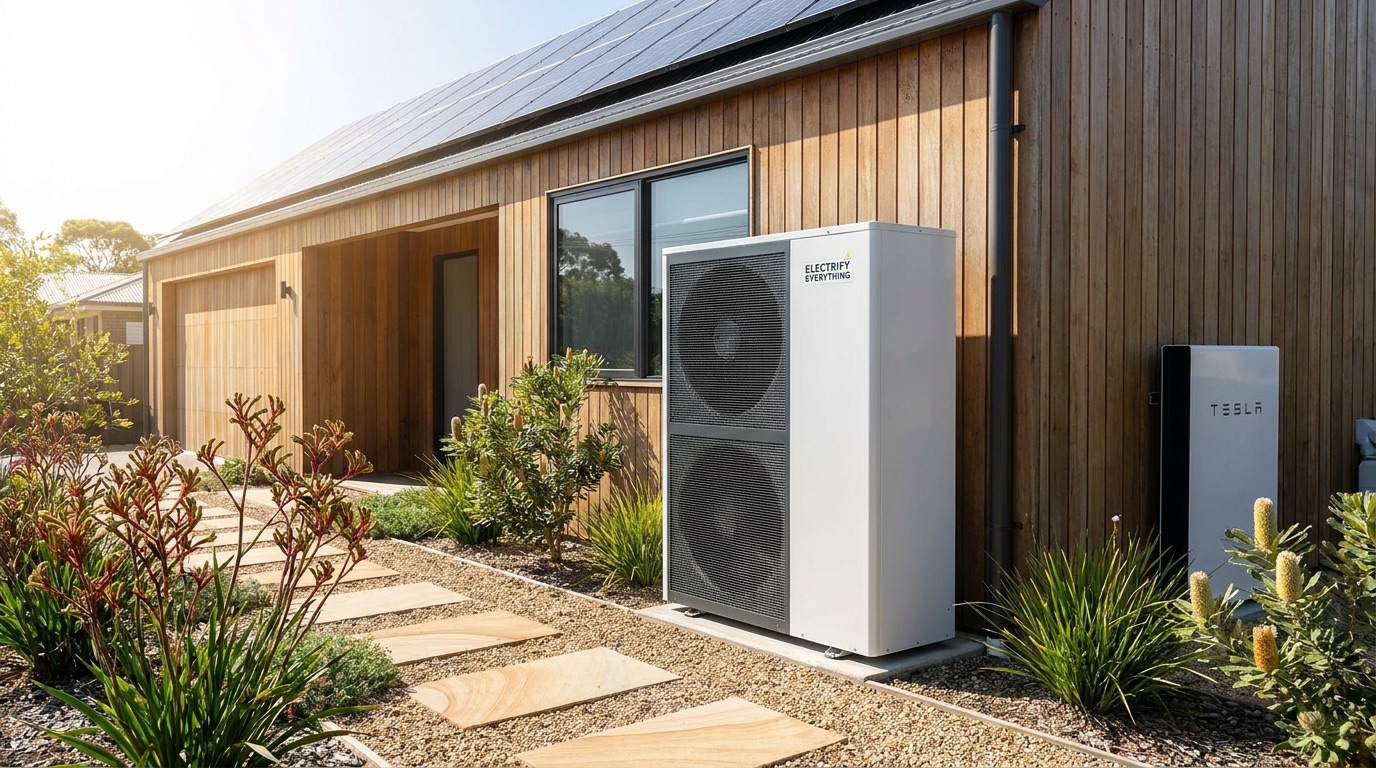
Industrial facilities burning natural gas for space conditioning, hot water, low-grade process heating and steam generation are carrying a liability that compounds every year. Gas network tariffs are rising. Carbon obligations are tightening under the Safeguard Mechanism. And stranded asset risk for gas-fired plant is no longer theoretical — it is written into the trajectories published by the Clean Energy Regulator and the Australian Energy Market Operator. Apex Grid's Heat-Pump Electrification program replaces gas-fired loads with high-efficiency electric plant in a sequenced, site-specific program that manages production continuity throughout the transition.
Load Mapping and Electrification Sequencing
Before specifying equipment, Apex Grid conducts a gas load disaggregation audit across the entire facility. We isolate each gas-consuming system — HVAC air handlers, domestic hot water services, hydronic heating circuits, process heat exchangers, steam jacket systems and direct-fired ovens — and assign each load a temperature lift requirement, duty cycle profile and electrification readiness score. The sequencing model then prioritises loads that offer the highest emissions abatement at the lowest capital intensity per tonne of CO2-e avoided. Typically, space conditioning and hot water loads convert first; high-temperature process loads follow as heat-pump technology and facility economics permit.
Industrial Heat-Pump Technology Selection
Modern industrial heat pumps operate across a wide delivery temperature range. For HVAC and hydronic loads below 65°C, variable-speed vapour-compression units achieve seasonal COPs between 3.8 and 5.2, depending on ambient conditions. For process heating requirements up to 120°C, high-temperature heat pump units using R-744 or R-1234ze refrigerants deliver COPs in the range of 2.5 to 3.8 — still materially more efficient than gas combustion at 85-90% thermal efficiency when measured in primary energy terms. For loads above 120°C, Apex Grid evaluates industrial heat pump systems combined with thermal storage or, where viable, electrode boiler technology using off-peak electricity from renewable PPAs to displace peak gas consumption.
- Full gas load disaggregation audit with temperature-lift mapping and duty cycle analysis
- Multi-stage electrification roadmap aligned to Safeguard Mechanism compliance trajectories
- Industrial heat-pump specification, procurement and commissioning management
- Electrical infrastructure upgrades — switchboards, sub-metering, transformer augmentation
- Integration with building and process management systems for load-shifting and demand response
- Renewable electricity procurement to maximise emissions abatement per dollar of capital
Electrical Infrastructure for Electrification
Replacing gas with electricity is not a plug-and-play exercise. Heat-pump plant draws significant electrical load at start-up and during defrost cycles. Apex Grid models the new electrical demand profile against existing switchboard capacity, network tariff structure and any demand response obligations under the facility's current network agreement. Where transformer augmentation or a new HV supply is required, we coordinate this with the DNSP as part of the program scope — avoiding the common failure mode of arriving at commissioning to find electrical infrastructure that cannot support the installed plant.
Carbon accounting underpins the financial case as much as energy cost reduction. Every gigajoule of gas displaced by a heat pump reduces Scope 1 emissions from the combustion source, while the electricity consumed to drive the heat pump carries a Scope 2 intensity that declines automatically as the grid decarbonises. This self-improving emissions profile is a structural advantage over gas-fired plant, which carries a fixed carbon intensity for its entire operating life. Apex Grid prepares the National Greenhouse and Energy Reporting data required to substantiate these abatement claims with the Clean Energy Regulator and to support any Australian Carbon Credit Unit methodology applications where facility-level electrification qualifies as an eligible project activity. The numbers are real, they are auditable and they compound over time.
For facilities with on-site solar or battery storage, Apex Grid integrates heat-pump operation into the energy management system so that thermal loads shift preferentially into windows of high solar generation or low spot-market pricing. This can reduce net electricity cost for the electrified load to below the equivalent gas cost at current network tariffs, delivering both the emissions outcome and a positive economic case that survives changes in government policy settings.