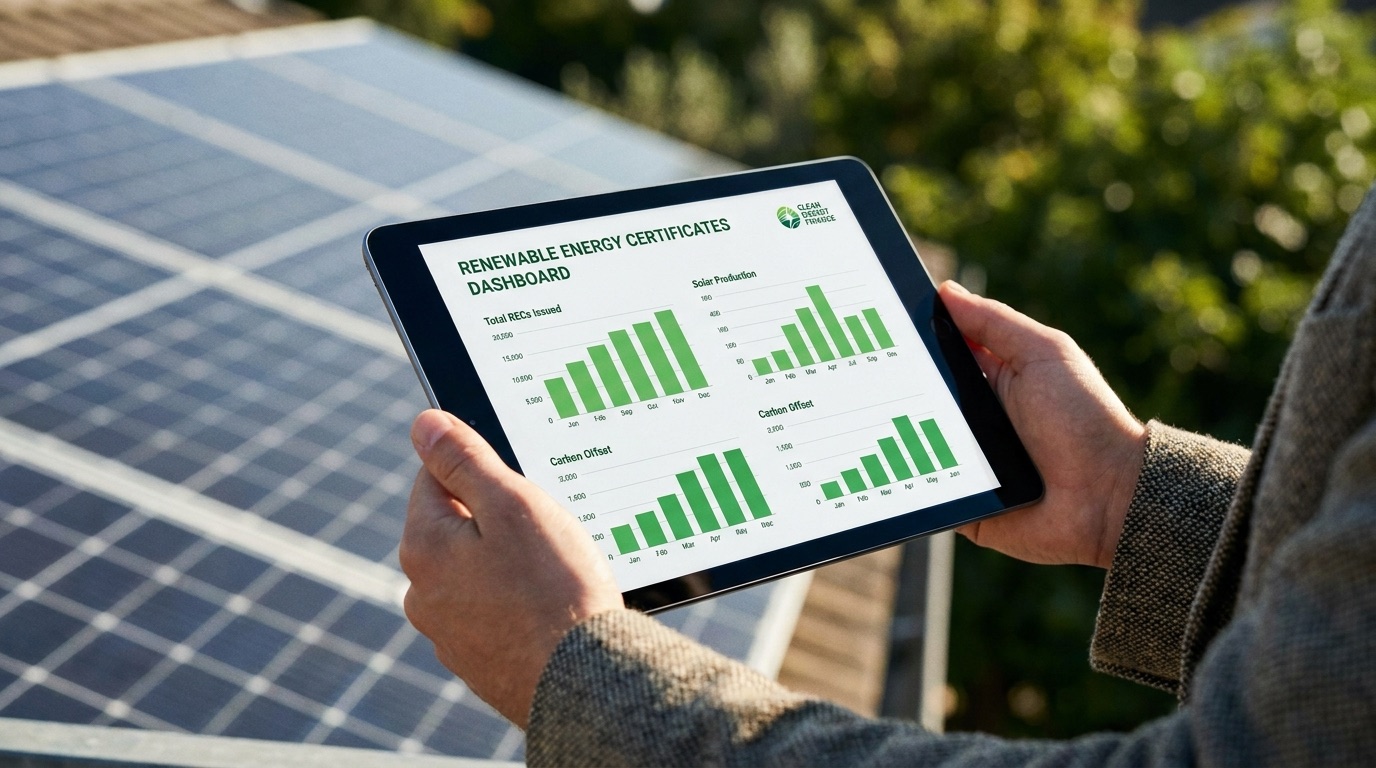
Australia's Renewable Energy Target obligates liable entities — principally electricity retailers and large self-generating users — to surrender Large-scale Generation Certificates annually to the Clean Energy Regulator. This obligation drives a structured, liquid market for LGCs produced by accredited power stations. For generators, the LGC revenue stream is a material component of project economics — often representing 15% to 30% of total annual revenue for a large-scale solar or wind facility. Apex Grid's REC Brokerage service ensures that generators and corporate buyers access this market on the best available terms, with complete registry management and compliance reporting included.
LGC Accreditation and Registry Management
Before a certificate can be created, a generation facility must be accredited under the Renewable Energy (Electricity) Act 2000 and registered with the Clean Energy Regulator's REC Registry. Apex Grid manages the accreditation application process — preparing the required technical documentation, metering compliance evidence and eligible energy source declarations. Once accredited, we operate the REC Registry account on behalf of the generator, creating certificates from metered generation data, maintaining accurate vintage records and surrendering or transferring certificates against counterparty contracts. Registry management errors — mismatched vintages, late surrender penalties, incorrect eligible energy source classifications — are an avoidable compliance risk. Apex Grid eliminates them.
LGC Price Optimisation and Contract Structuring
LGC prices are not fixed. They move with renewable energy policy settings, liable entity demand, new generation capacity registrations and broader energy market conditions. Generators that sign long-term fixed-price LGC contracts at a single point in time frequently underperform relative to a blended spot and forward sale strategy. Apex Grid's brokerage desk trades in both the spot market — where LGCs transact over-the-counter through an established counterparty network — and the forward contract market, using ASX Energy LGC futures and bilateral agreements with liable entities and voluntary buyers. We build sale programs that lock in a price floor while retaining upside participation as market conditions evolve.
- CER accreditation application management and eligible energy source classification
- REC Registry account operation, certificate creation and vintage management
- Spot market LGC trading through direct liable entity and broker counterparty networks
- ASX Energy LGC futures execution and bilateral forward contract structuring
- GreenPower and voluntary market certificate placement for corporate sustainability buyers
- International renewable energy certificate placement — REGOs (UK), EACs (EU) for export-capable facilities
- Annual LGC surrender coordination against liable entity Power Purchase Agreements
- Certificate audit trail documentation for Clean Energy Regulator compliance reporting
Voluntary Market and Corporate Sustainability Certificates
The voluntary renewable energy certificate market — driven by corporate Net Zero commitments, Science Based Targets and GreenPower accreditation requirements — is structurally separate from the RET compliance market. Prices, vintages and certification standards differ, and the counterparty set is entirely different. Apex Grid accesses both markets simultaneously, placing certificates with liable entities where RET demand is strongest and with corporate voluntary buyers where premium pricing for specific vintages, locations or technologies is available. This dual-channel approach consistently outperforms single-channel offtake arrangements for generators with diverse certificate portfolios.
International certificate markets are an emerging revenue stream for Australian generators with the metering infrastructure to support it. The UK's Renewable Energy Guarantees of Origin scheme and the European Union's Energy Attribute Certificate framework both accept generation evidence from accredited international facilities in certain procurement contexts. Australian generators supplying multinationals with global Scope 2 reporting obligations — where the buyer's sustainability team requires certificates aligned to their international inventory methodology — can access premium pricing in these markets that significantly exceeds domestic voluntary rates. Apex Grid's international desk holds the counterparty relationships and the cross-registry transfer protocols required to execute these transactions without the procedural delays that typically erode the premium by the time settlement occurs.
For corporate off-takers seeking to retire certificates against a greenhouse gas inventory or a Science Based Target, Apex Grid provides sourcing advisory that matches certificate characteristics — vintage year, state of origin, generation technology and grid zone — to the buyer's reporting framework requirements. Not all LGCs are equal from a corporate reporting perspective, and the premium for a well-matched certificate in the voluntary market can exceed the RET market clearing price by a material margin. Apex Grid's brokerage desk exists to capture that premium for both the generator and the buyer.