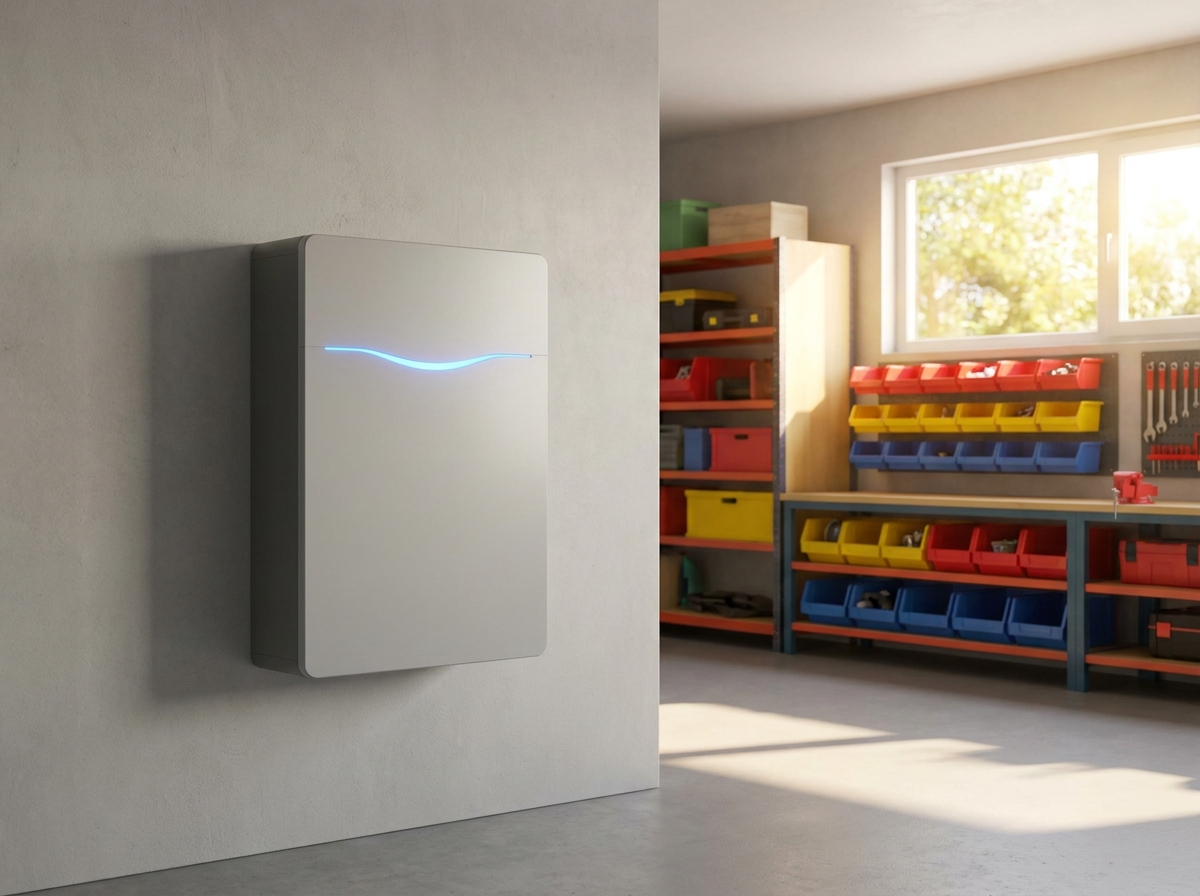
A battery is the most flexible asset on any energy site because it can do several jobs at once. The same installation can store cheap midday solar, discharge it through the expensive evening peak, support the grid, and earn market revenue. The skill is in designing a system that captures as many of those values as the site and connection allow.
Meridian designs battery energy storage systems (BESS) from a few hundred kilowatt-hours behind a single meter to grid-connected assets measured in megawatt-hours. Whether the goal is bill reduction, backup, or market participation, we size capacity and power rating to the value, not to a brochure.
Revenue stacking, not single-use storage
The economics of storage improve dramatically when one battery serves several purposes. We model the combined value of each stream and size the system to capture them without the uses cannibalising each other. A battery dedicated to one job sits idle most of the day; a stacked asset works around the clock.
- Energy arbitrage: store cheap solar or off-peak power, discharge at peak
- Demand-charge reduction: shave peaks that drive C&I demand tariffs
- FCAS: provide frequency control ancillary services into the NEM
- Backup and resilience: keep critical loads running through outages
FCAS and market participation
Grid-connected batteries can earn from Frequency Control Ancillary Services (FCAS) by responding to changes in grid frequency within milliseconds, far faster than conventional generation. For larger assets we model participation across the contingency and regulation FCAS markets alongside wholesale energy arbitrage, and we manage the registration and metering required to trade.
Behind-the-meter and demand management
On commercial and industrial sites, the clearest value is often behind the meter. A battery charged from solar or off-peak power and discharged through the demand window shaves the peaks that set demand charges, protects against price spikes, and lets you firm an existing solar array so more of its output is used on site rather than exported.
We integrate storage with smart controls that decide, minute by minute, whether to charge, discharge, hold or export based on tariff, load and market signals. That orchestration is what converts a battery from a backup box into a financial asset.
Engineering, safety and warranties
We specify proven battery systems, from Tesla Megapack and Powerpack-class assets to modular containerised BESS and commercial units, matched to the duty cycle the revenue model demands. Lithium-iron-phosphate chemistry, fire detection and suppression, thermal management and AS/NZS-compliant installation are standard, with grid protection studies completed for any connection above the small-scale threshold.
- Sizing matched to duty cycle and warranted cycle life
- Smart orchestration across tariff, load and market signals
- Fire, thermal and electrical safety to Australian standards
- DNSP and AEMO approvals managed for grid-connected assets
Frequently asked
It means using one battery for several value streams instead of one. A stacked system can store cheap power and discharge at peak, reduce demand charges, provide FCAS to the grid and supply backup, which together produce a far better return than any single use alone.
Grid-connected batteries can earn from FCAS by responding to frequency changes in milliseconds, and from wholesale arbitrage by buying low and selling high. We handle the registration, metering and protection studies needed to participate in those NEM markets.
It depends on what you want it to do. We model your load, tariff and any solar generation to size both the energy capacity and the power rating to the value on offer, rather than fitting a standard product that is too large or too small for the job.