One home, intelligently controlled
Wired and wireless automation that unifies lighting, blinds, climate, security, and AV into a single, reliable interface.
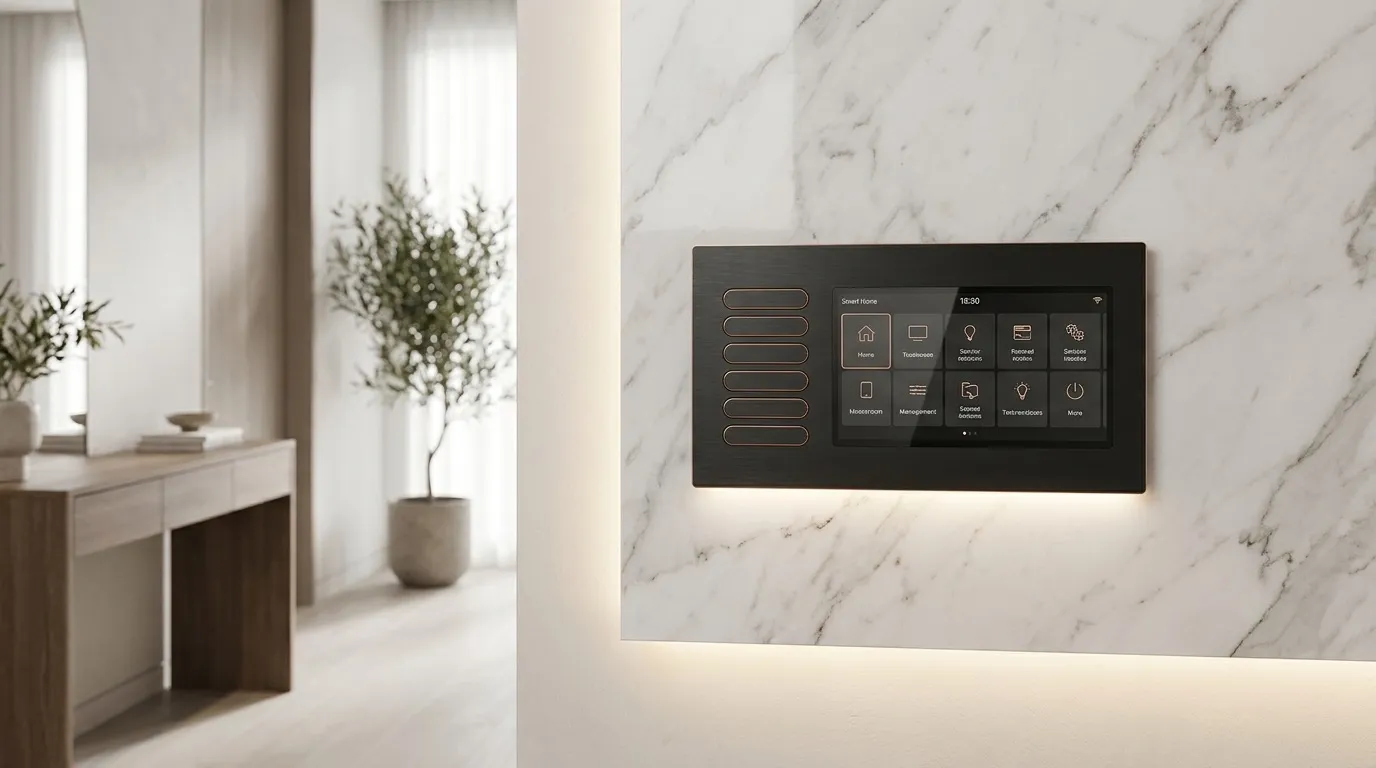
A genuinely integrated smart home is not a collection of apps. It is a single, coherent system in which lighting, blinds, climate control, security, audio-visual equipment, and access all respond to the way you live — through scenes, schedules, presence sensing, and simple physical controls that work reliably without a smartphone in hand. At Lumen & Wire, we design and install residential and light commercial automation systems from the structured cabling backbone through to final commissioning and scene programming, working across KNX, C-Bus, and Matter-over-Thread platforms depending on the scope and permanence of the installation.
The electrical infrastructure is the foundation on which every automation system rests, and it is where most integrations fail when they were not properly conceived. A smart home that stutters, drops commands, or requires constant rebooting is almost always the product of inadequate wiring, an undersized network backbone, or components that were never designed to work together. We eliminate those failure modes by designing the electrical and data infrastructure as a unified system from the outset, and by selecting components with a proven track record in Australian residential and commercial deployments.
KNX and C-Bus: Professional-Grade Automation
For new builds and major renovations where long-term reliability and upgrade flexibility are the priority, we recommend KNX or C-Bus installations. Both are decentralised bus systems with decades of deployment history in Australian commercial and prestige residential buildings. They do not depend on a central server or cloud service — control logic lives in the devices themselves, which means the system continues to operate normally regardless of internet connectivity or manufacturer server status. Programming is carried out using standardised software, and the installation can be expanded, reconfigured, or handed over to any accredited integrator in the future.
- Lighting control with per-room and per-zone dimming, scenes, and time schedules
- Motorised blind and curtain integration with sun-tracking and wind-safety inputs
- HVAC integration with zone control and occupancy-based setpoints
- Security system interfacing — arming, disarming, and status display at keypads and touchscreens
- Multi-room audio and AV control through a single interface
- Structured data cabling backbone — Cat 6A, fibre where appropriate, with neat rack terminations
Matter and Consumer Platform Integration
For projects where the full bus-system approach is not warranted — a targeted upgrade to an existing home, or a client who has already invested in a consumer ecosystem — we design and install Matter-compatible infrastructure that delivers meaningful integration across platforms. Matter is an IP-based open standard supported by Apple Home, Google Home, Amazon Alexa, and an expanding range of third-party devices. When the installation is properly structured — with a capable mesh network, a dedicated IoT VLAN, and devices that genuinely implement the Matter specification — it performs reliably in a way that the earlier generation of proprietary consumer systems rarely achieved.
Regardless of the platform, we treat the network as a critical utility. Wireless access point positions are calculated by coverage modelling, not guesswork. Cabling for access points is run in conduit where possible for future replaceability. A central patch panel and rack allow the network to be reconfigured cleanly as the system evolves. This is the infrastructure discipline that separates a smart home that remains capable and reliable over ten years from one that needs a full overhaul in three.
Commissioning and Handover
Installation without commissioning is not a finished system. We carry out full scene programming, device testing, and user familiarisation as part of every engagement. We document the system — network diagrams, device addresses, scene logic, and programming backups — and provide that documentation to you so any future electrician or integrator can work with the installation without starting from scratch. The goal is a system that you own and understand, not one that makes you dependent on a single service provider for every change.
At a glance
Smart Home Integration — your questions answered
Both are excellent platforms with long deployment histories in Australian buildings. KNX is the global standard with the broadest manufacturer ecosystem and the widest choice of compatible devices, which is an advantage in large or complex projects. C-Bus has a strong presence in Australian commercial and prestige residential installations and is well supported locally. The choice often comes down to the integrator's depth of experience with a particular platform and the specific devices you want to include. We'll recommend the system that best fits your project parameters after discussing your requirements in detail.
It depends on what you want to automate and how comprehensively. Wireless and Matter-based systems can add meaningful functionality to an existing home without touching the wiring, provided the network infrastructure is adequate and you're comfortable with a mixed-protocol environment. For full lighting scene control and motorised blind integration in a finished home, some in-wall work is usually required to reach switch positions. We assess what's achievable within the constraints of your existing installation and present the options clearly before recommending an approach.
With KNX and C-Bus installations, yes — all control logic resides in the devices and continues to operate entirely independently of internet connectivity. With consumer platform systems, local control is generally maintained for devices on the same network, but some features that rely on cloud services will be unavailable during an outage. We discuss this distinction with clients during the design phase because it matters significantly to some households and less so to others, and the answer influences the platform recommendation.
For a new build, the automation infrastructure is installed in stages alongside the construction program — structured cabling and device backboxes during rough-in, device installation and commissioning during fit-out. For a retrofit project, the timeline depends on the scope of in-wall work required and the size of the installation. A targeted upgrade of lighting and blinds in a completed home can often be completed in two to three days. A comprehensive new installation across a large property may take several weeks including commissioning. We provide a detailed programme at the design stage so you know what to expect.
Related services
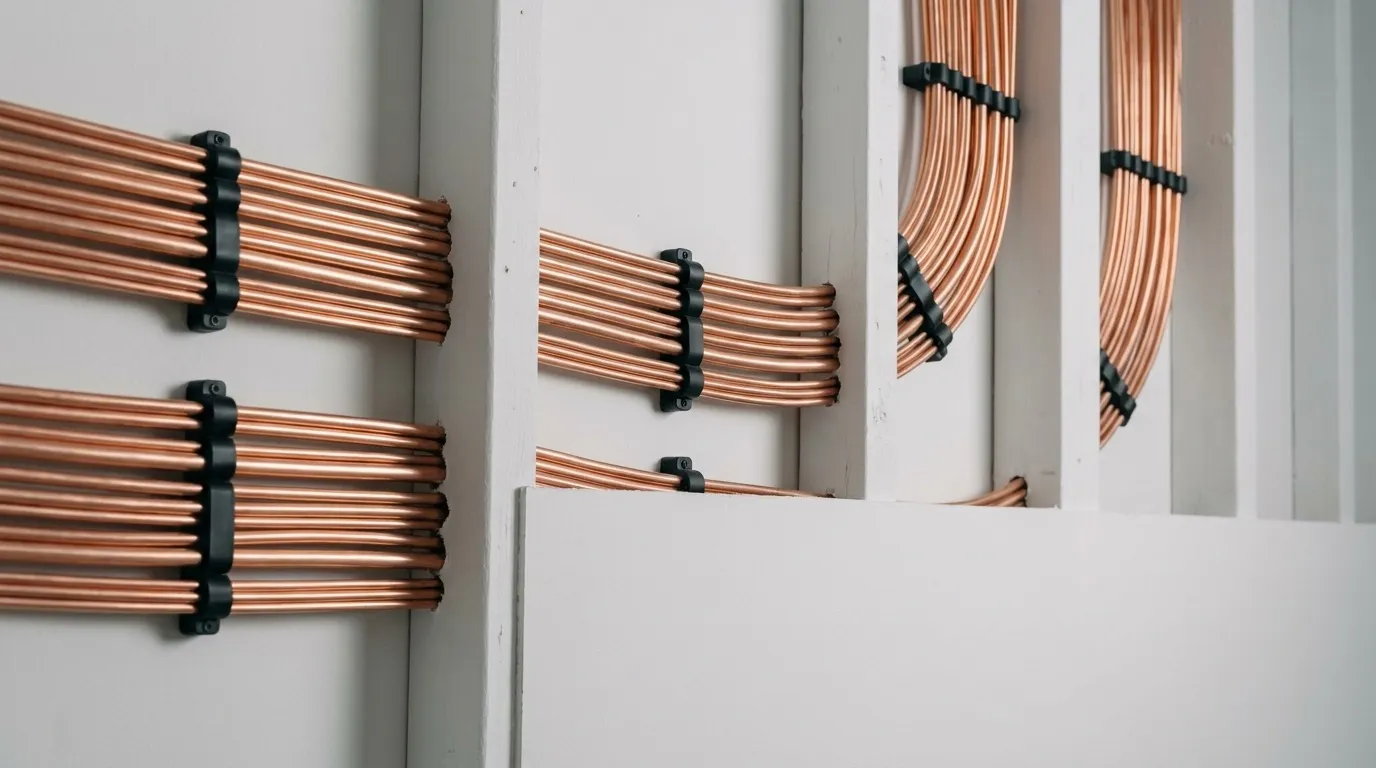
Residential Wiring
Full and partial rewires, new circuits, and meticulous cable runs for renovations and new builds.
Learn more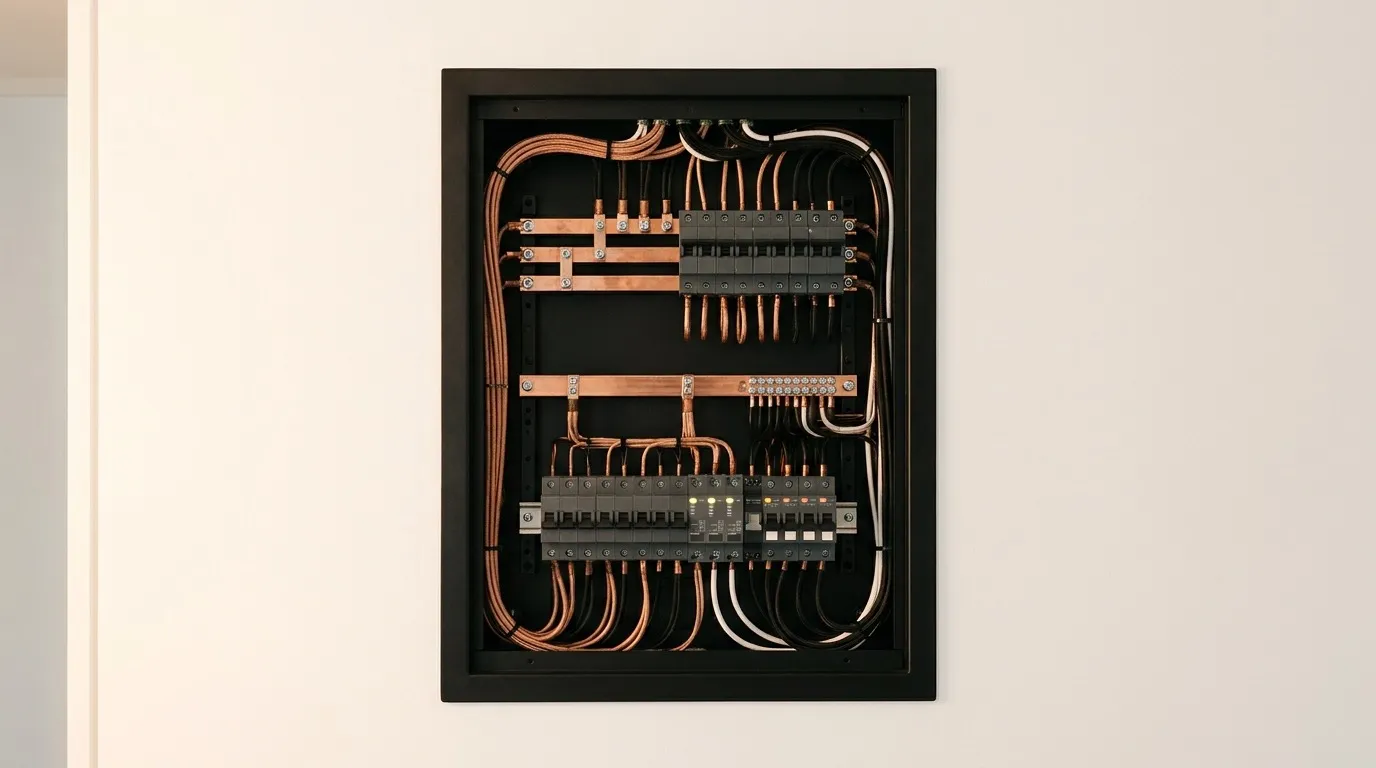
Switchboard Upgrades
Modern switchboards with individual RCBO protection, surge defence, and headroom for future loads.
Learn more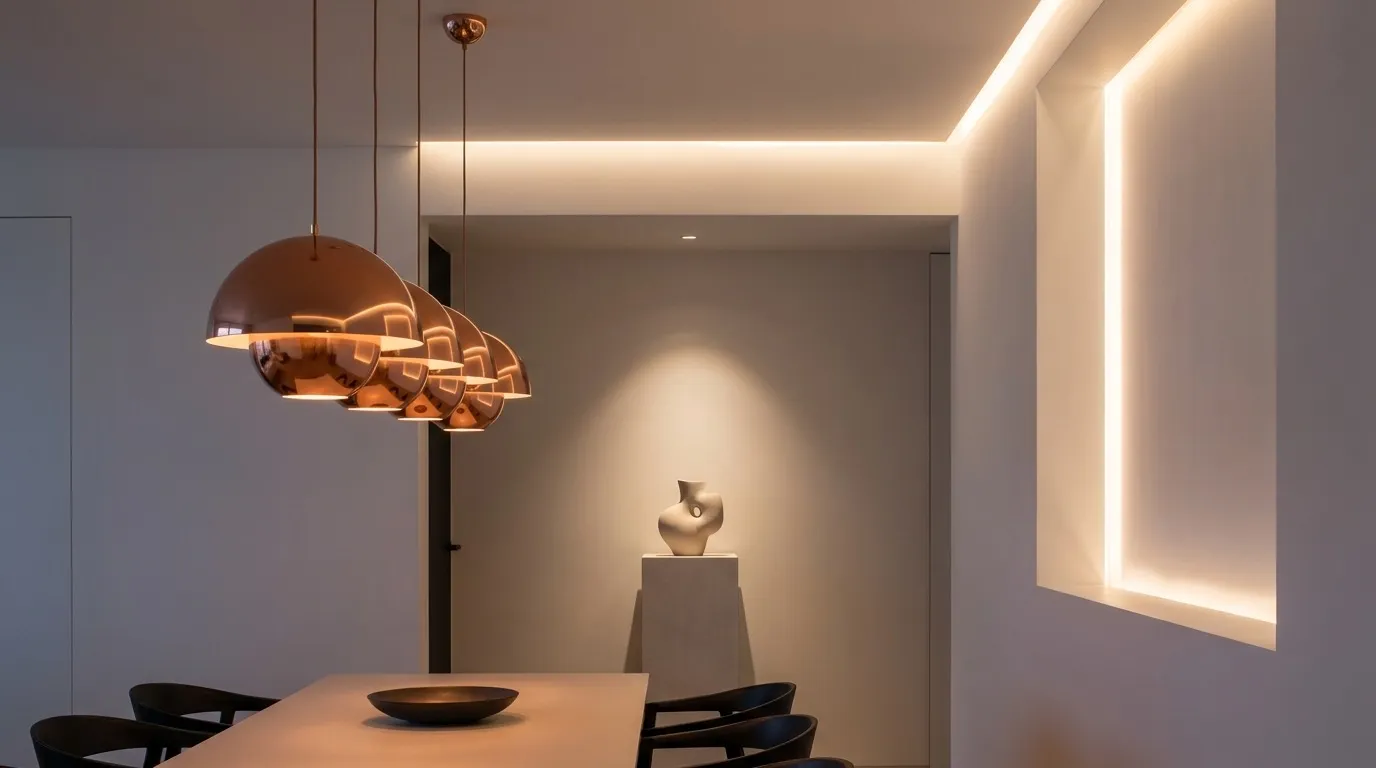
Lighting Design
Architectural lighting schemes, layered control, and high-CRI fittings that transform a space.
Learn moreNeed smart home integration done properly?
Talk to a licensed Lumen & Wire electrician for honest advice and a clear, itemised quote — with no obligation.