When a business wants to cut its energy bill, the conversation usually jumps straight to solar panels or a battery. Those have their place — but the cheapest kilowatt-hour is the one you never consume, and it's almost always sitting in plain sight: old lighting, poor power factor, equipment idling overnight, and tariffs that don't match the load.
Measure before you spend
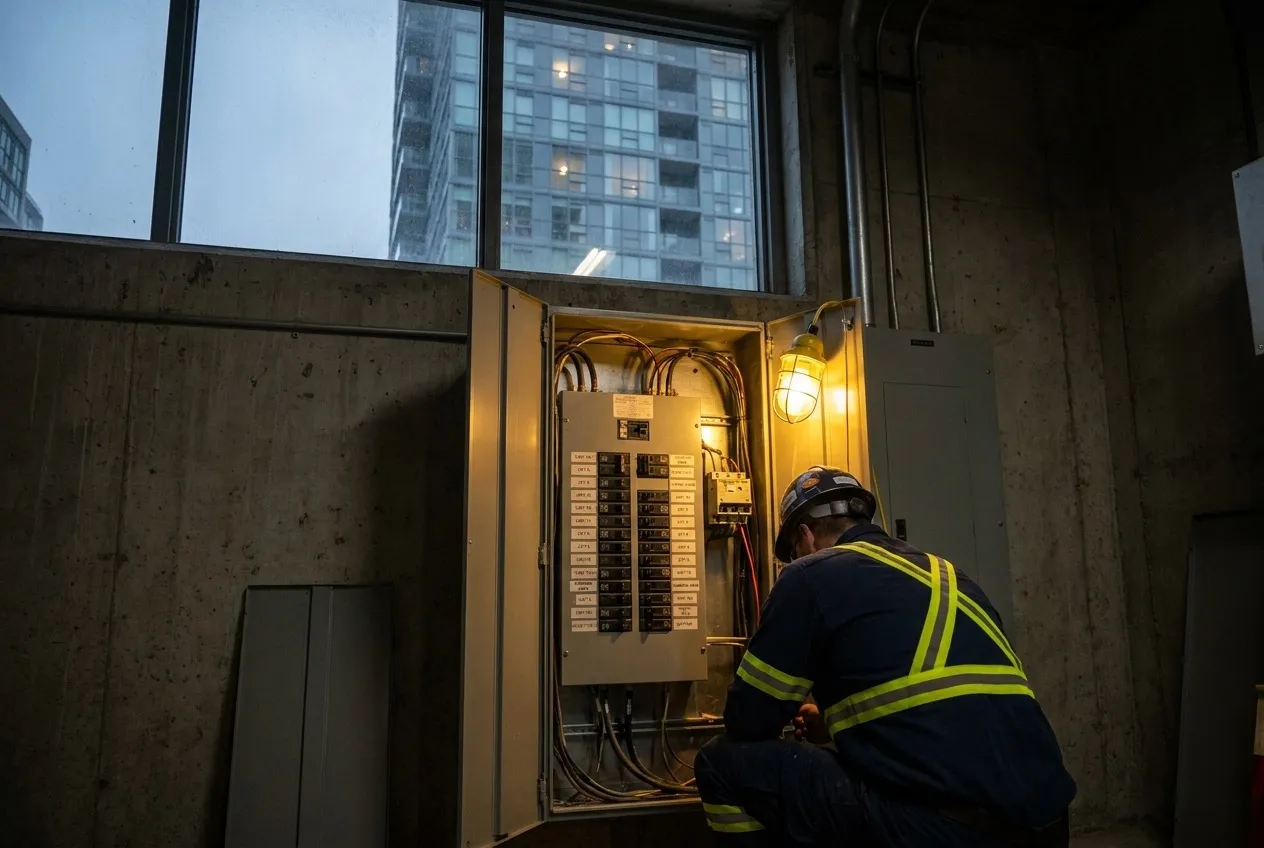
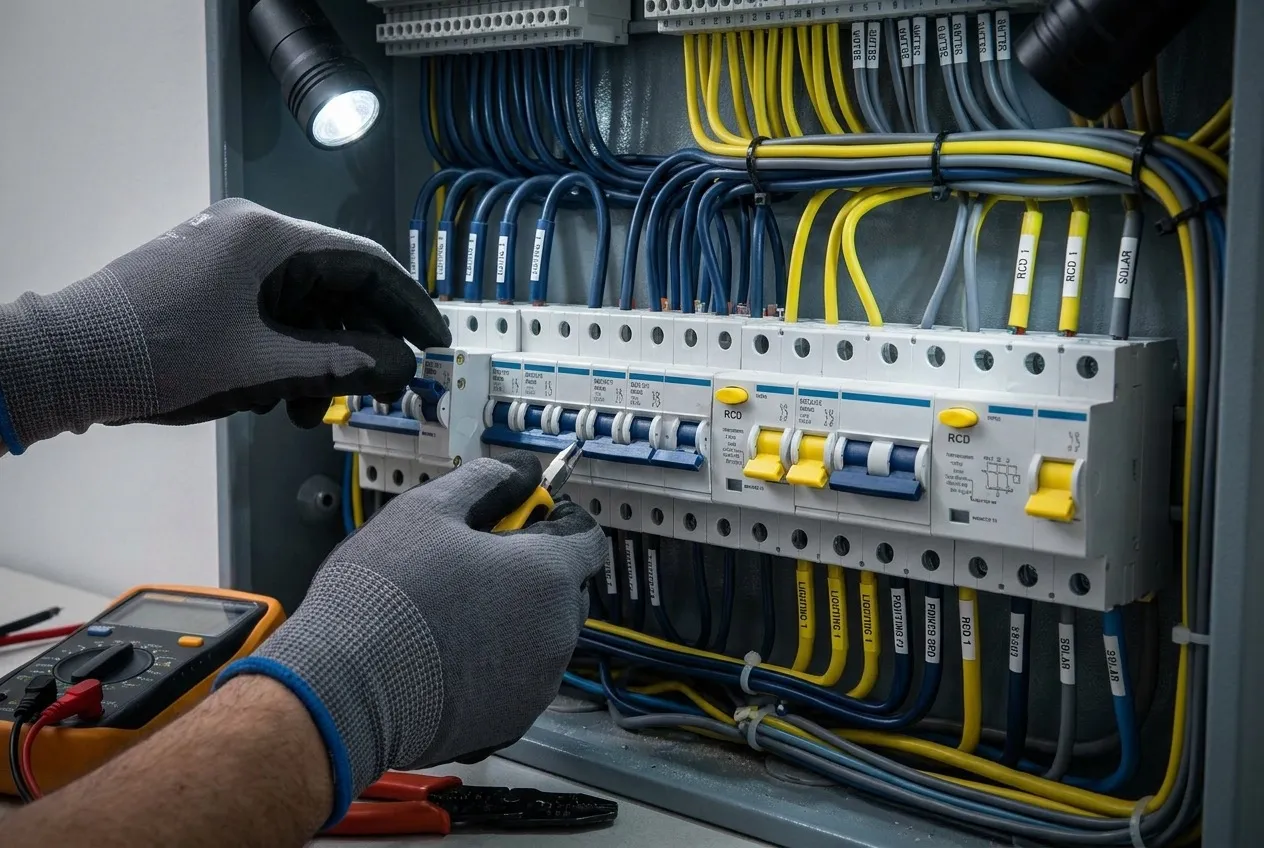
A proper audit starts with data, not a sales brochure. We log the site's actual consumption — circuit by circuit where it matters — to see where the energy really goes and when. Interval data turns a vague bill into a map of waste, and that map is what tells you which fix returns fastest.
- Lighting: swapping old fittings for LED is often the quickest payback on site.
- Power factor correction: cut the demand charges hiding in your bill.
- Standby and after-hours load: equipment drawing power doing nothing.
- Tariff and demand: the right rate and a flatter peak can save before you change a thing.
The order of operations
Efficiency first, generation second. Every watt you stop wasting is a watt you don't have to generate, store or pay a demand charge on — so it shrinks the solar and battery system you eventually buy, not just the bill. Doing it the other way around means oversizing generation to feed waste you could have removed for a fraction of the cost.
What you get
An audit hands you a ranked list: each measure, what it costs, what it saves and how fast it pays back. Some are no-cost tariff or behaviour changes; some are a lighting upgrade we can do next week; some build the business case for solar later. You spend in the order that returns fastest — and you stop paying for power you were only ever wasting.