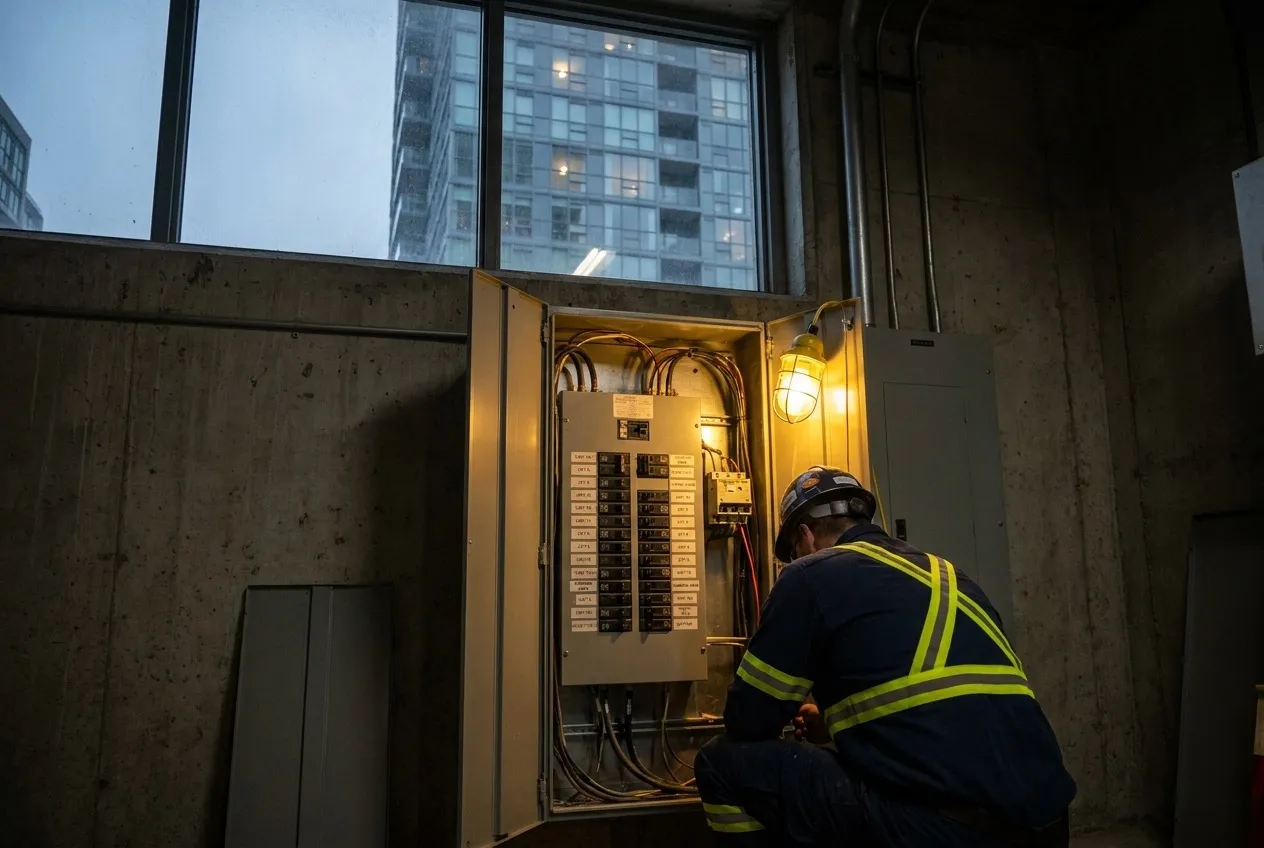
Most people open their switchboard twice a year, both times in the dark, looking for the switch that tripped. But the board is the clearest health check your wiring gets. A few minutes reading it — in daylight, before anything goes wrong — tells you a lot about the risk you're living with.
The warning signs
Ceramic rewireable fuses, the kind with fuse wire you wrap by hand, mean the board predates modern safety standards. They protect the wiring from fire but do nothing to protect a person from a shock. If that's what you see, the board is decades old and overdue.
- No safety switches (RCDs): the single biggest risk — these are what save lives.
- Ceramic fuses instead of circuit breakers: an ageing, pre-RCD board.
- Scorch marks, a burning smell, or warmth: act immediately, this is a fire risk.
- A board so full there's no room to add a circuit: time to upgrade.
What a modern board gives you
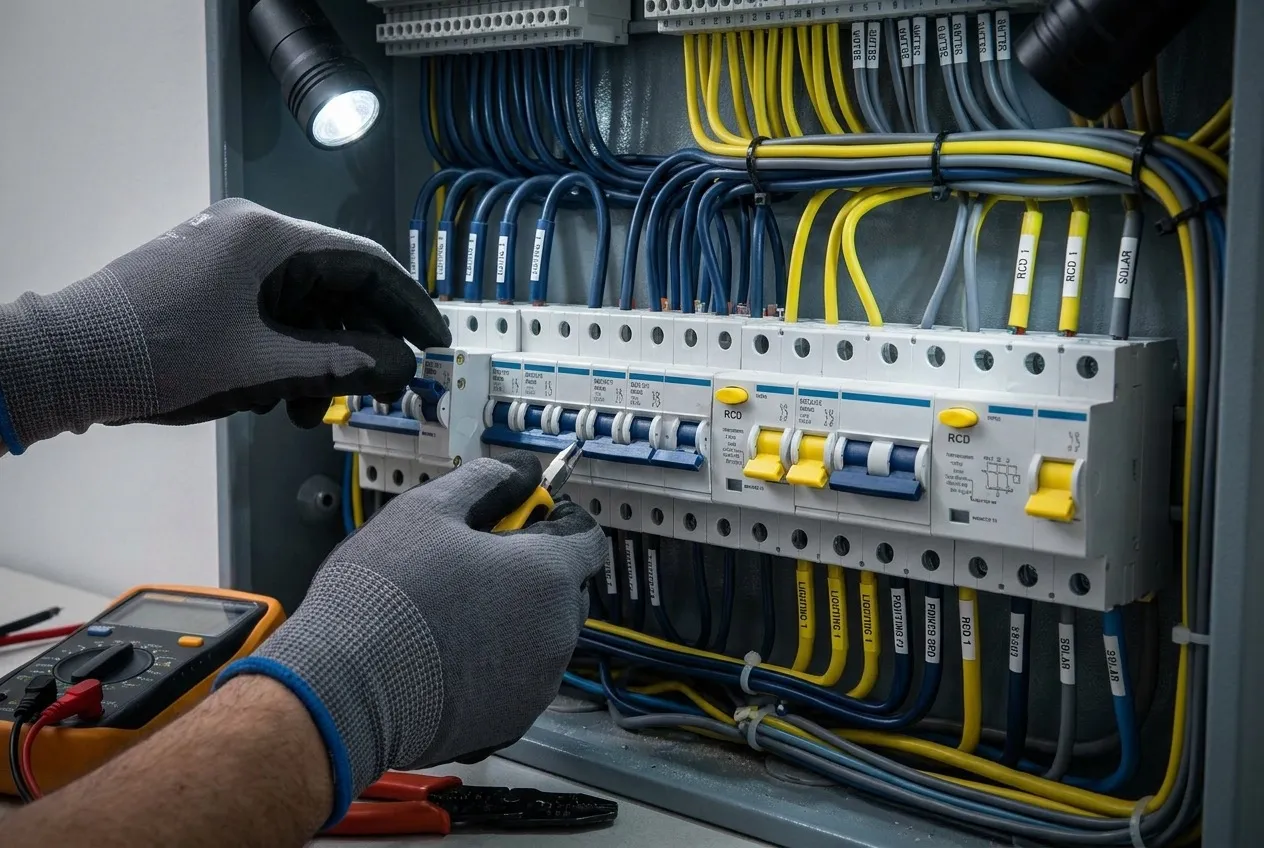
A current switchboard separates the home into multiple circuits, each protected by an RCBO that combines overload protection with the residual-current detection that trips in milliseconds when current leaks to earth — through a frayed cord, a wet appliance, or a person. It's the difference between a nuisance trip and an electrocution.
An upgrade also ends the cascade failures, where one appliance fault drops the whole house, because circuits are properly divided and labelled. You lose the kitchen, not everything, and you know which switch to reset.
When to call
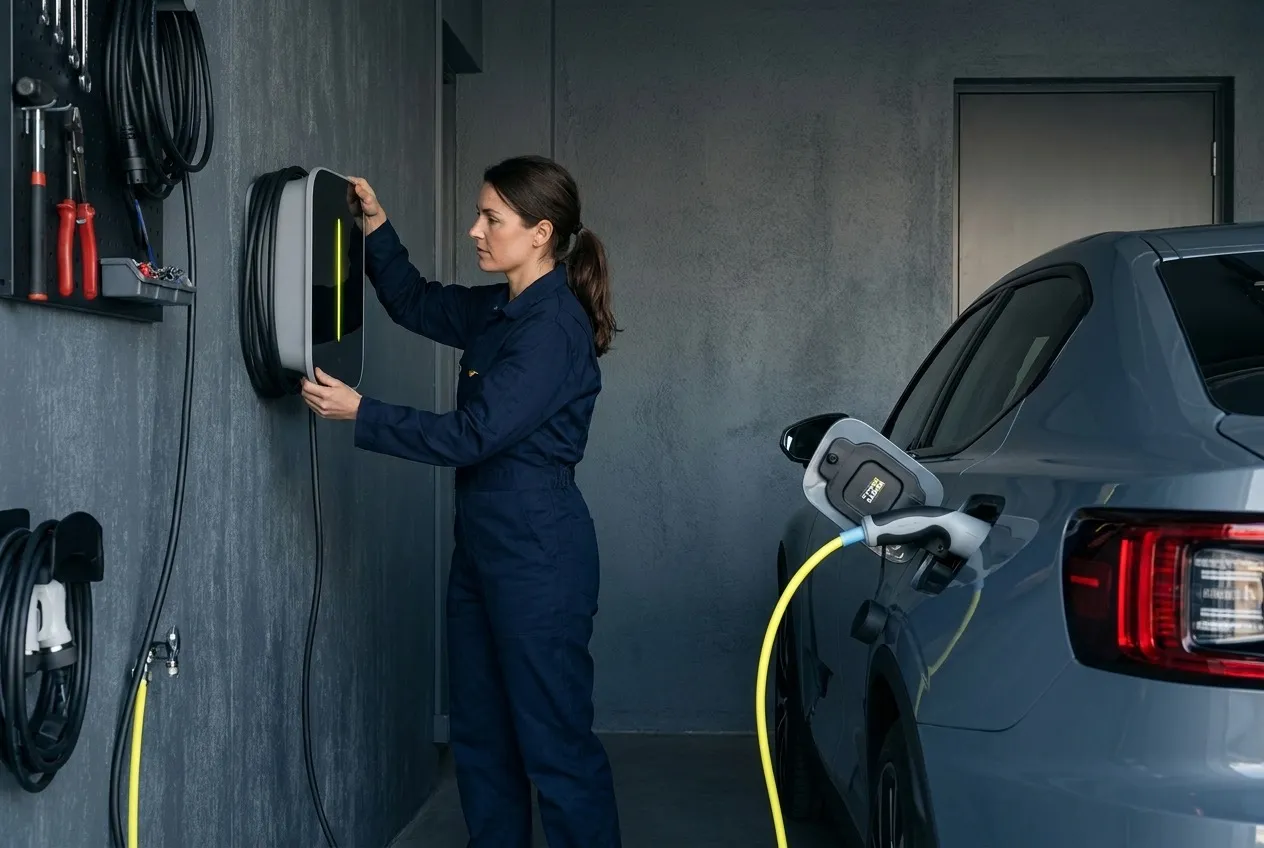
If your board has any of the warning signs above, or you're adding real load — an EV charger, air conditioning, a kitchen renovation, a battery — the board should be assessed first. We test what's there, tell you honestly whether it needs replacing or just extending, and upgrade it to current standard with the certificate to match.