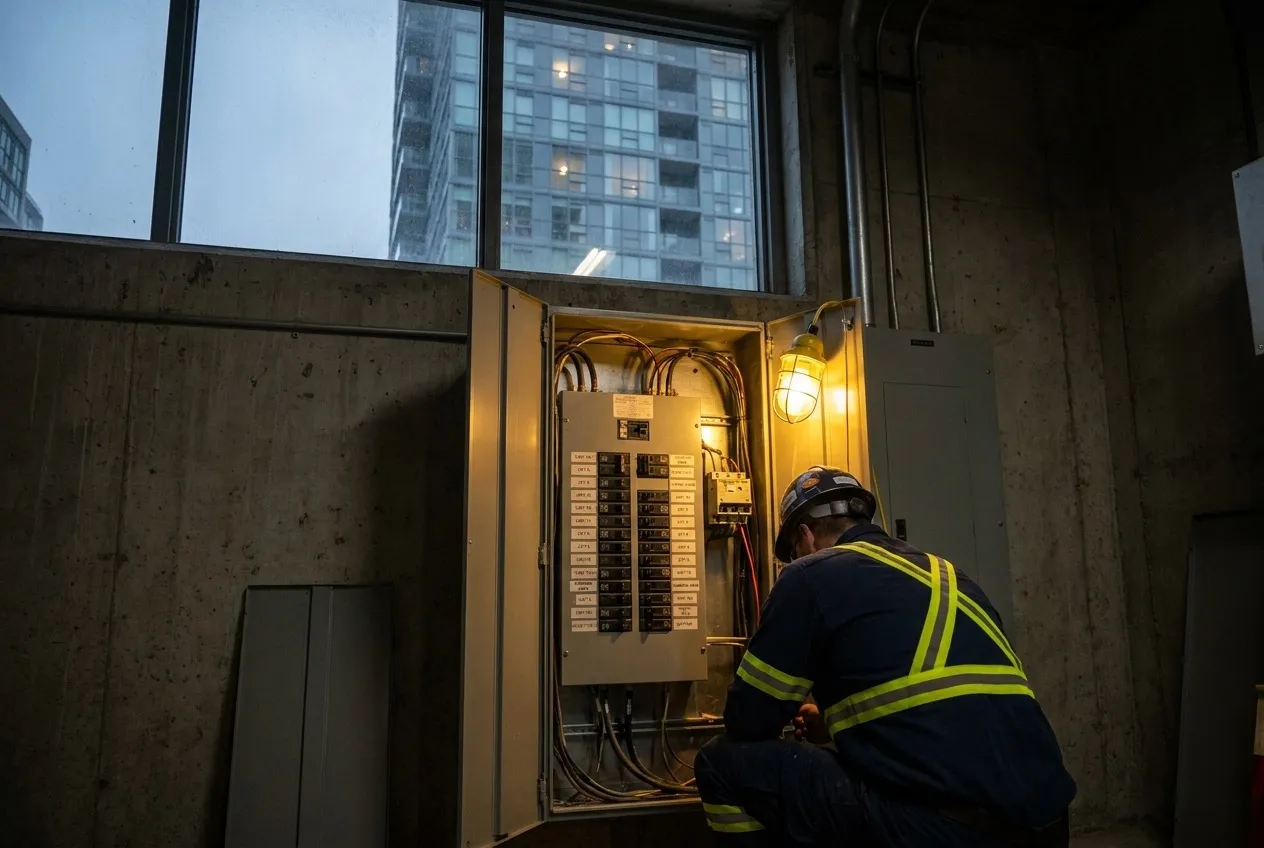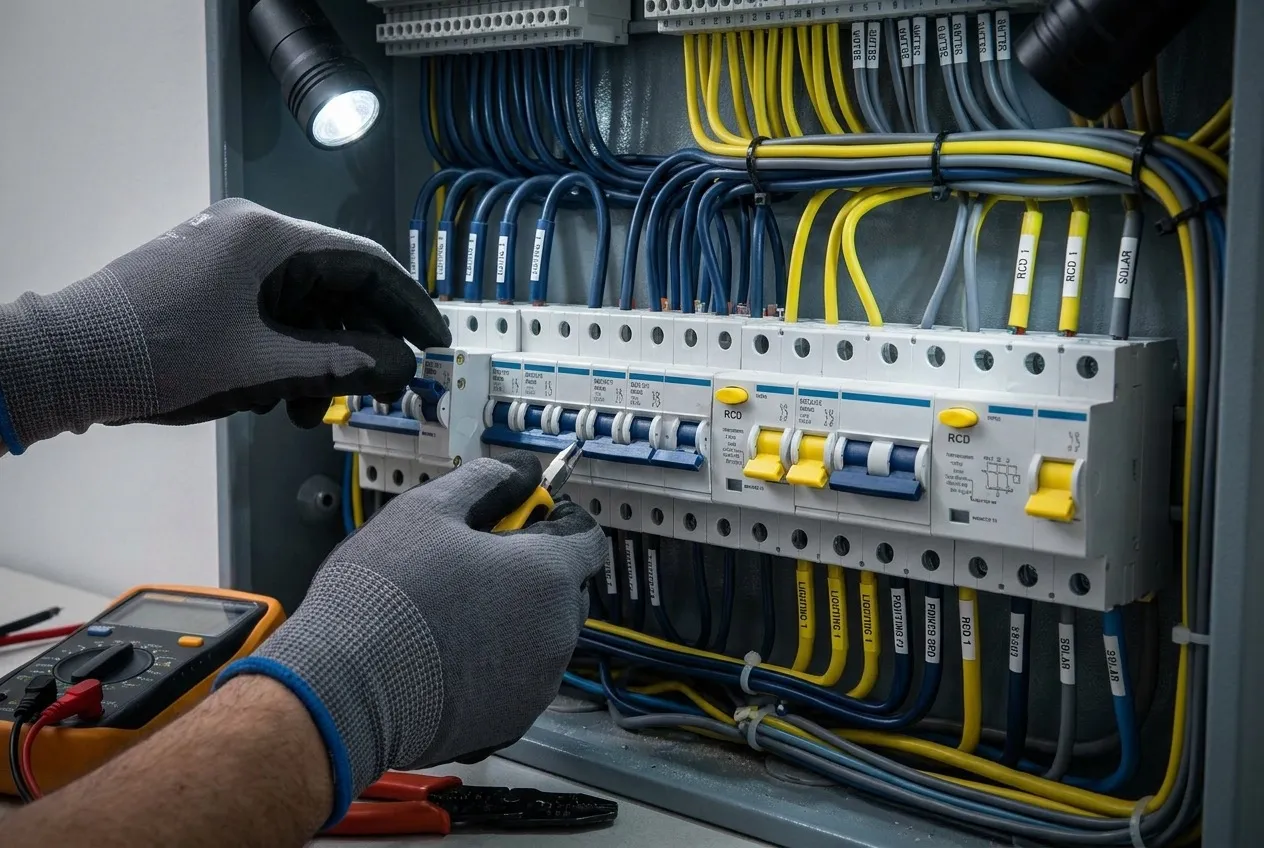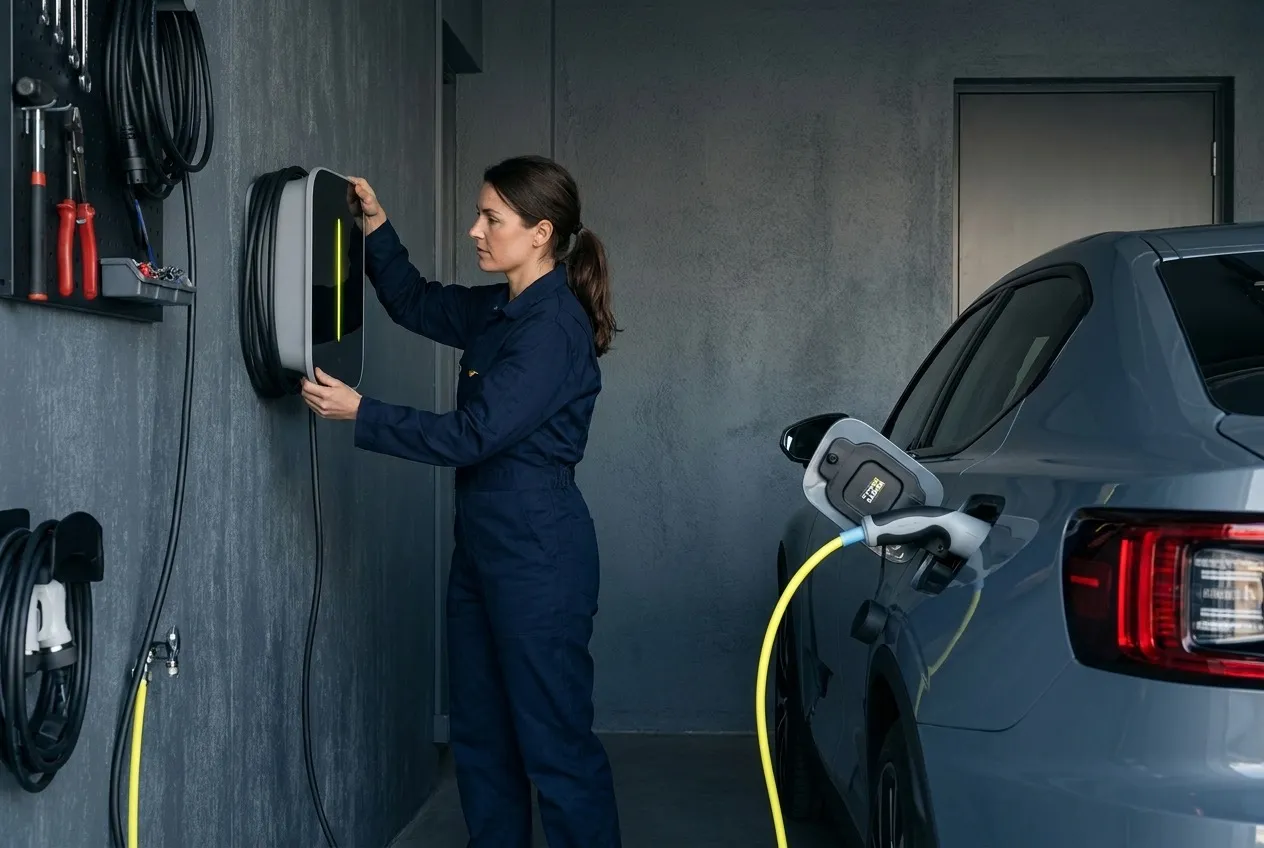
Putting a charger on a house is a morning's work: one circuit from the board to the garage, a load check, done. The hard version is the strata car park, where a dozen owners want chargers, the building's mains were never sized for them, and the body corporate has to keep it fair, metered and safe.
Why you can't just add chargers
If everyone plugged a 7kW charger straight into the common supply and charged at 6pm, most older buildings would trip their main before the third car. The building's incoming capacity, not the number of car spaces, is the real constraint. Solving it is about managing demand, not just running cable.
Load management is the answer
A managed charging system treats the building's spare capacity as a shared pool and distributes it dynamically. When ten cars are plugged in overnight, each gets a slower charge that still fills the battery by morning; when one car is plugged in at midday, it gets the full rate. The mains never sees more than it can carry.
- A dedicated EV sub-board so charging is metered separately from common power.
- Dynamic load management that shares capacity across every charger.
- Per-bay metering so each owner pays for their own energy, not the building's.
- A backbone sized for today's three cars and tomorrow's twenty.
Get the infrastructure right once
The expensive mistake is installing chargers one owner at a time, each as a separate cable run, until the car park is a tangle and the mains is maxed. The economical path is to design the backbone and the metering for the whole building first, then let owners connect to it as they buy cars. The body corporate approves one scheme, not twenty arguments.
We assess the building's real capacity, design the managed system, and stage it so the first chargers go in now and the hundredth still works — without ever upgrading the street connection if we can avoid it.