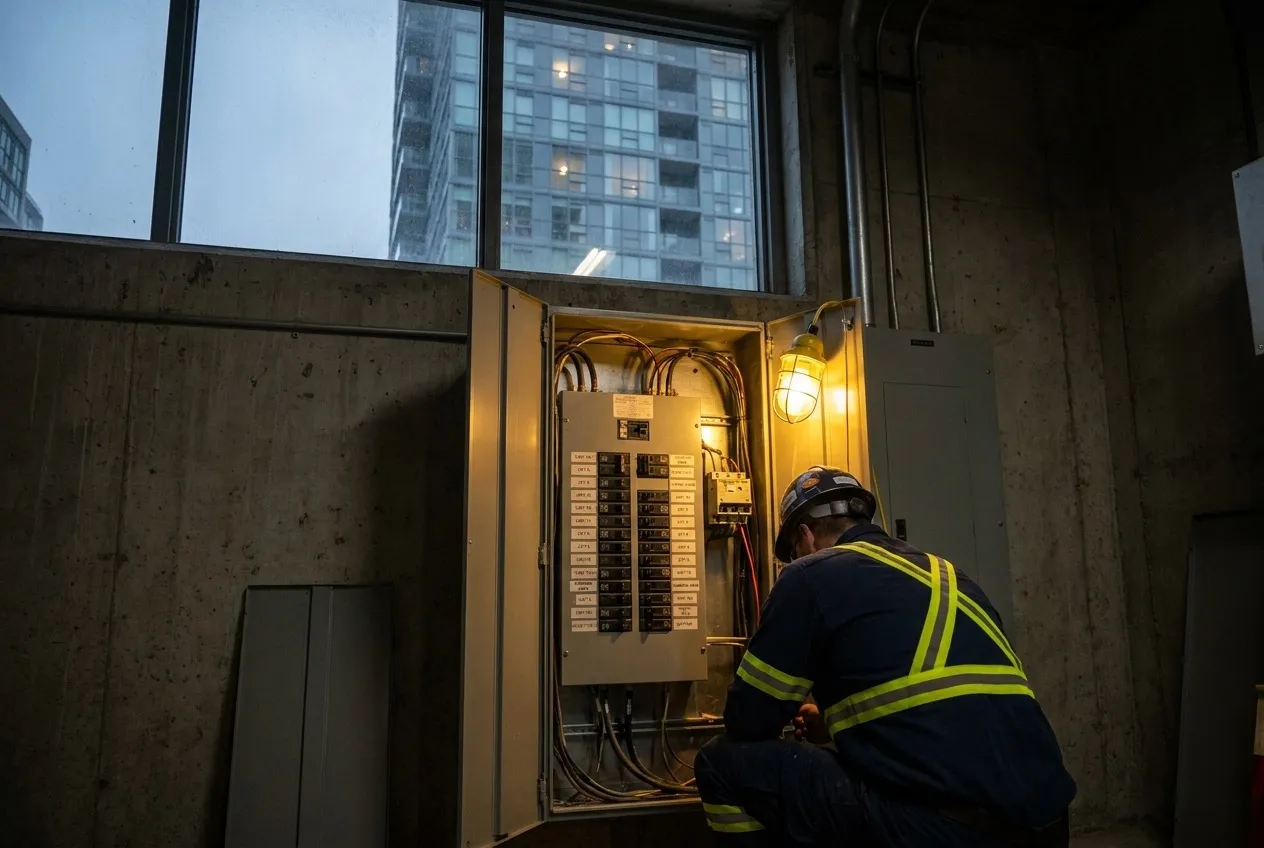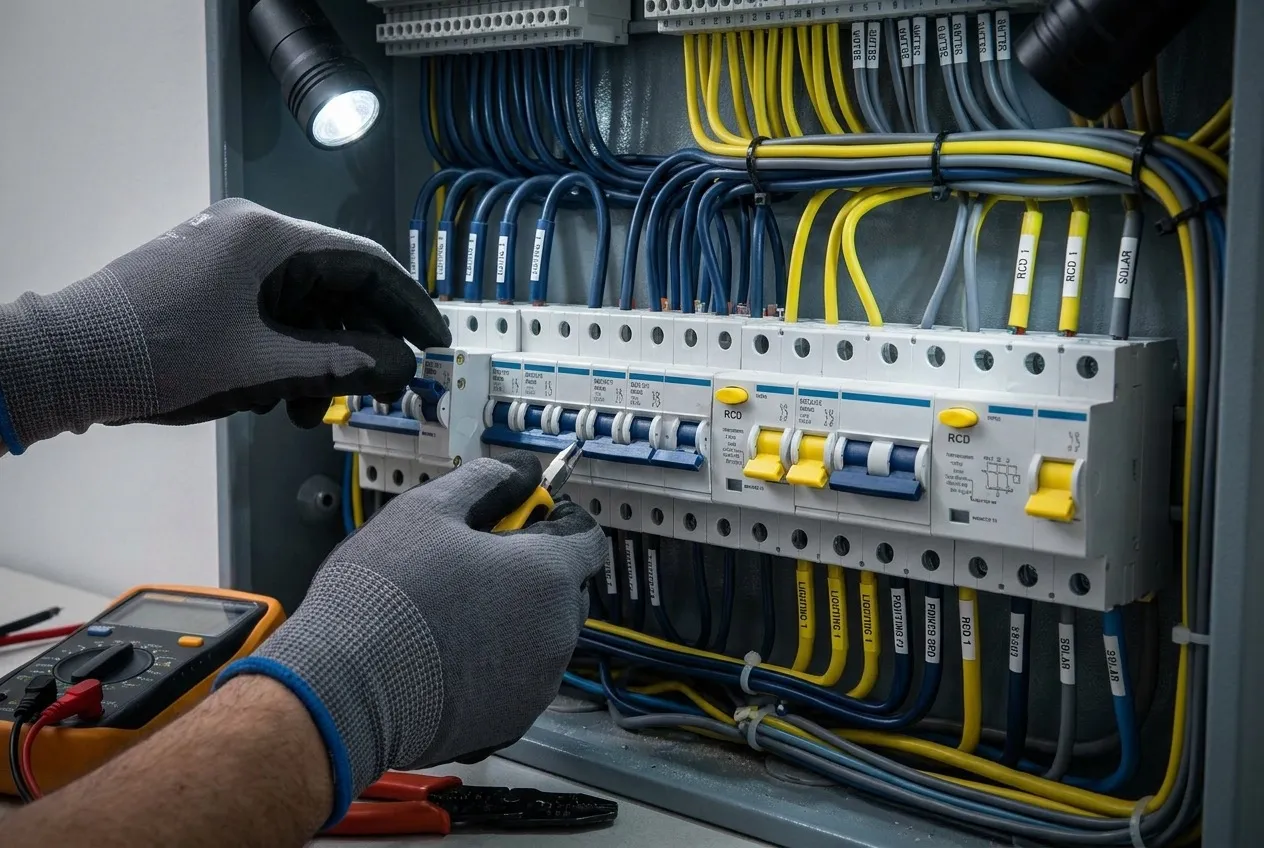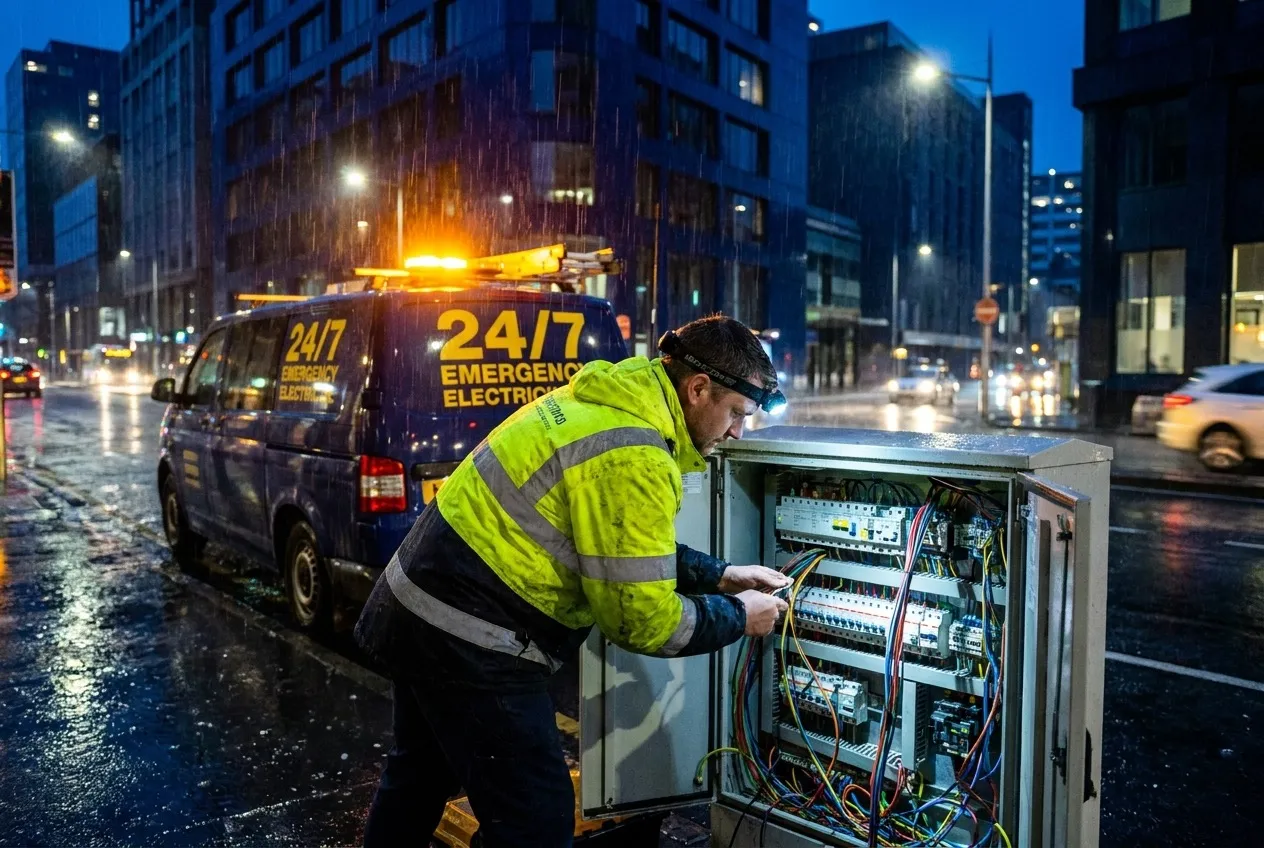
A blackout in an office means a frustrating hour. The same blackout in a cold store means a truckload of spoiled product; in a medical or aged-care setting it can mean failed equipment and real danger. Sites with critical loads don't hope the grid holds — they design for the moment it doesn't.
The layers of resilience
Resilience is built in layers, matched to how long the load can tolerate being dark. An automatic changeover switch flips to standby generator power within seconds of losing the grid. A UPS bridges that gap for the loads — servers, medical devices, controls — that can't even blink. And monitoring tells you a phase has dropped before a staff member does.
- Automatic changeover so the generator picks up the load without a person on site.
- Standby generators sized to the loads that genuinely must stay on.
- UPS protection for IT, controls and life-safety equipment.
- Remote monitoring that alerts us to a fault the moment it happens.
Sizing for what matters, not everything
The art is deciding what actually has to stay on. Backing up an entire building's worth of load is expensive and usually unnecessary. We work through the site with you to separate the critical circuits — the freezers, the panel, the emergency lighting — from the ones that can wait, then size standby power to the essential list. That keeps the system affordable and the maintenance manageable.
Tested, not assumed
A standby system that's never tested is a hope, not a plan. We commission generators and changeover gear under load, schedule regular test runs, and keep the fuel and batteries in condition — so the first time the system runs for real isn't the first time anyone finds out whether it works.