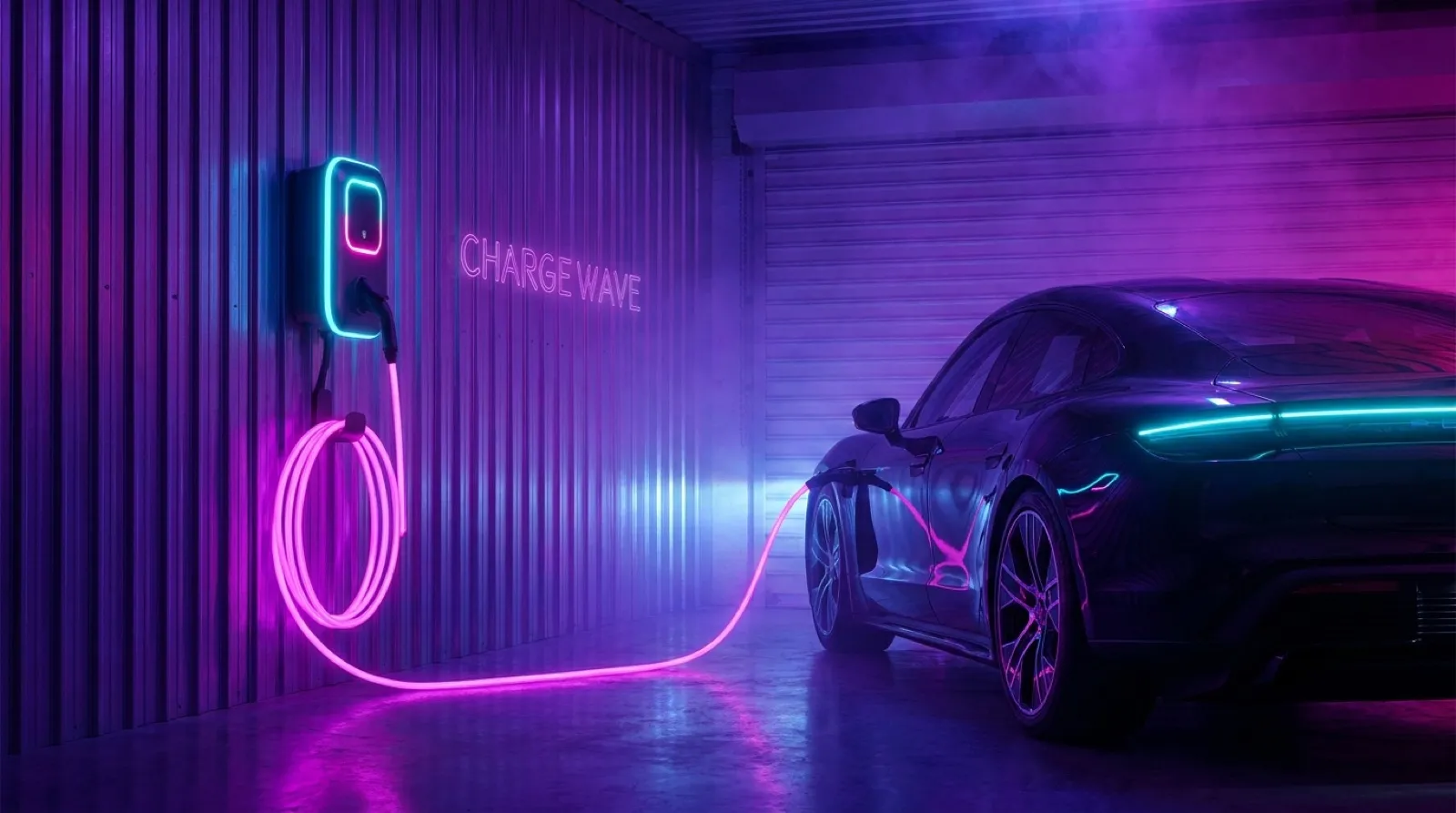
Plugging an electric car into a normal power point works, but it's slow and it leans on a circuit that was never designed to deliver high current for ten hours straight. A dedicated EV charger fixes both problems — but only if the wiring behind it is sized, protected and connected correctly. This is one of the most common jobs we get called to fix after someone else rushed it.
Start at the switchboard, not the wall
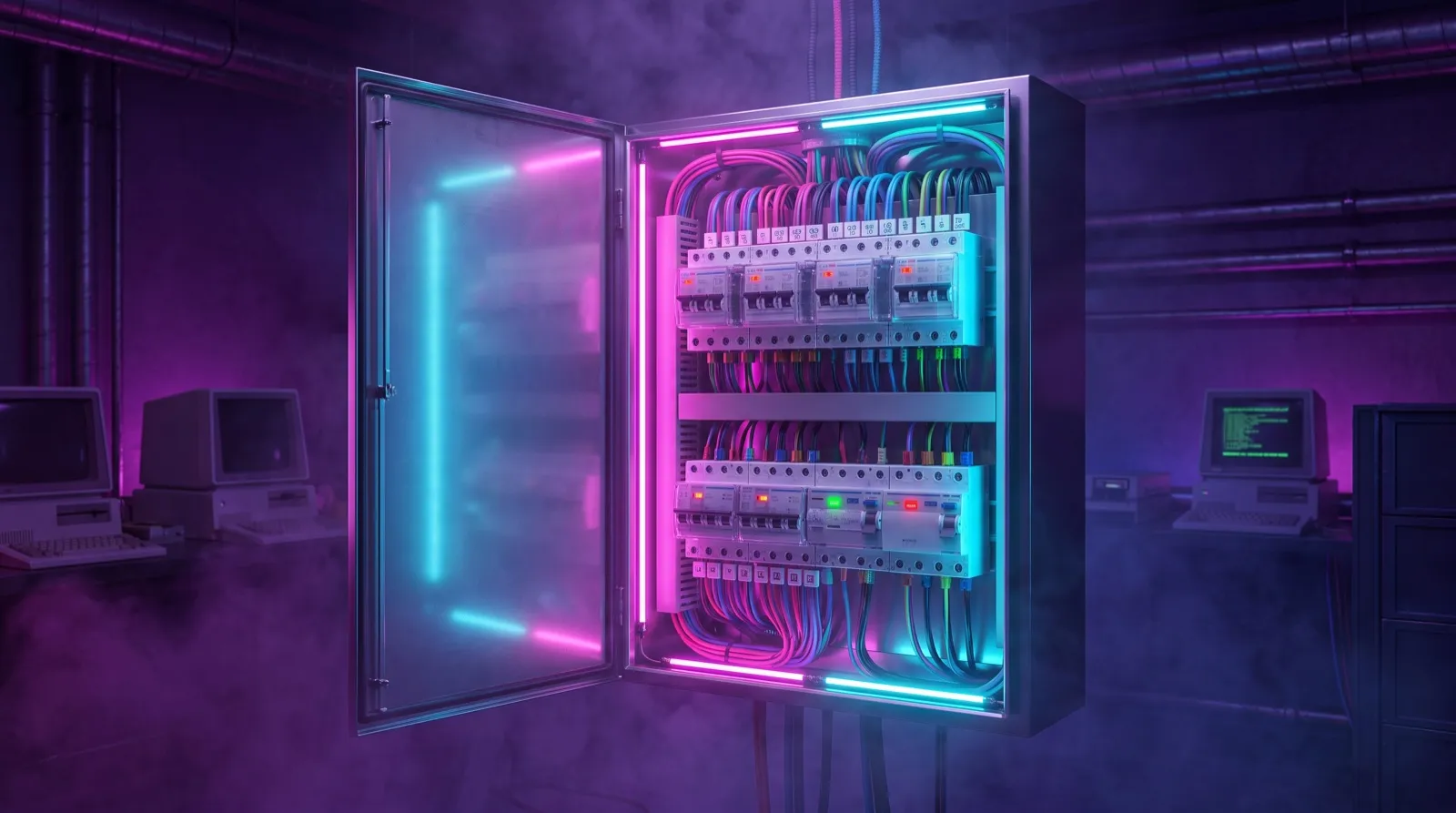
Before we talk about which charger goes on the garage wall, we look at your switchboard and your supply. A 7kW single-phase charger draws around 32 amps continuously. If your board is already close to capacity, or you've got an older supply, that load needs planning — sometimes a board upgrade, sometimes dynamic load management that throttles the charger when the house is busy.
Three-phase homes have more headroom and can run a 22kW charger for much faster top-ups. We check what you actually have before quoting, because nothing kills an EV install faster than discovering the supply won't carry it halfway through.
What the rules require
- A dedicated circuit — no sharing with power points or lights.
- The correct RCD type (EV chargers often need Type A with DC fault detection, or Type B).
- Cable sized for continuous load and the run length, not just the peak.
- A certificate of compliance and, where required, DNSP notification.
Load management deserves a special mention. A good charger can talk to your switchboard or a current sensor and automatically reduce its draw when the oven, aircon and kettle are all going — so you never trip the main. On multi-car or fleet sites, the same logic shares a fixed supply across several chargers.
Picking a charger you won't outgrow
We fit OCPP-capable chargers so you're not locked to one app or one network, and we leave room for a second charger if a second EV is on the horizon. The right choice depends on your car, your driving, your supply and whether you want solar-aware charging that soaks up your own daytime generation.
Done properly, home charging is the cheapest, most convenient fuel you'll ever buy. Done in a hurry, it's a nuisance-tripping, slow-charging fire risk. The difference is entirely in the wiring you can't see.