Residual current devices — RCDs, or safety switches — are designed to cut power within milliseconds when they detect current leaking to earth, such as through a person. They're the reason a frayed cord or a faulty appliance becomes a nuisance instead of a tragedy. But an RCD is a mechanical device, and mechanical devices can seize or fail, especially if they're never exercised.
The push-button test
Every safety switch has a 'T' or 'Test' button. Pressing it simulates a fault and should trip the switch instantly, cutting power to its circuits. If it trips, it's working; reset it and you're done. If it doesn't trip, the device is faulty and needs replacing — your protection isn't there. We recommend doing this every three months. It takes two minutes.
- Tell the household first — some power will go off briefly.
- Press the Test (T) button on each safety switch.
- Confirm the switch flicks to off and the circuit loses power.
- Switch it back on and reset any clocks or devices.
- If anything doesn't trip, stop using it and call an electrician.
Testing isn't the same as compliance testing
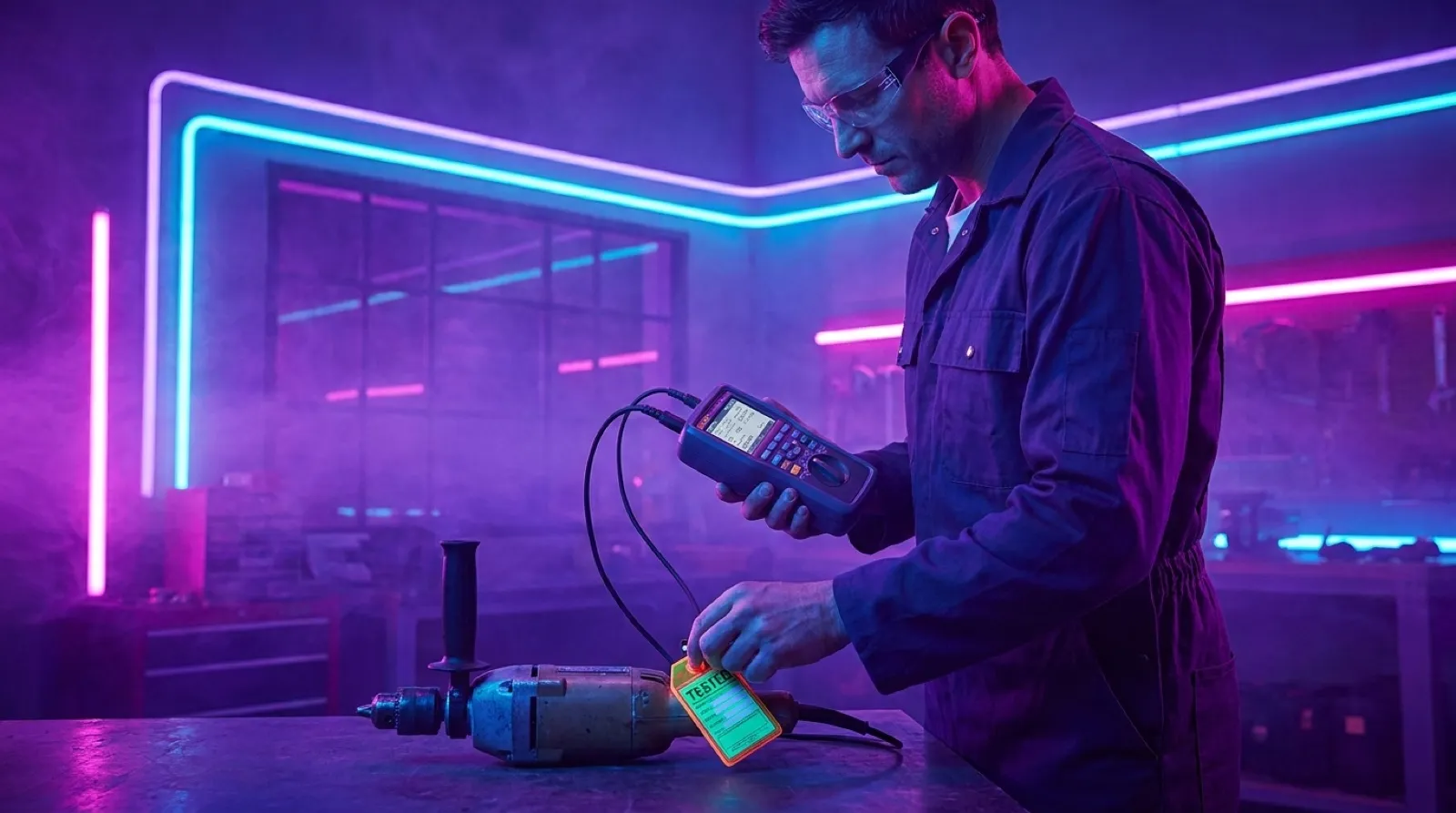
The push-button test confirms the switch trips. It doesn't measure how fast it trips or at what current — and that's what matters in a real fault. Periodic compliance testing with proper instruments verifies the trip time and threshold meet the standard. For workplaces this is a legal requirement under AS/NZS 3760; for homes it's smart practice, particularly for older installations.
Not every circuit may be protected
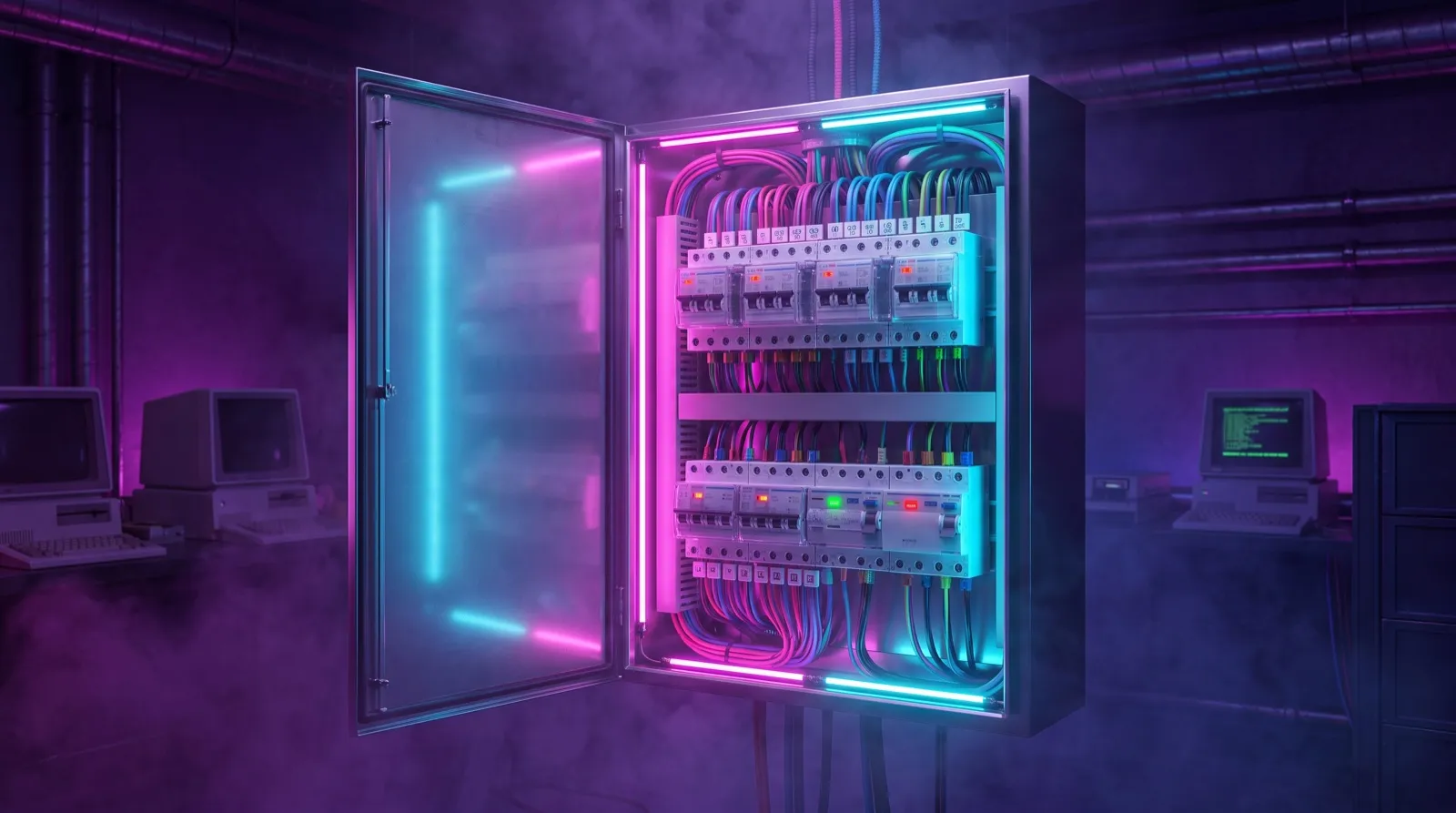
Many older homes have a safety switch on only some circuits — often just power points, leaving lights, the oven or the hot water unprotected. Current standards expect RCD protection much more widely. If you're not sure what's covered, we can check your board in a single visit and fill the gaps. It's one of the cheapest, highest-impact safety upgrades there is.
Two minutes, four times a year. Set a reminder, push the button, and know that the one device standing between your family and an electric shock is awake and ready.