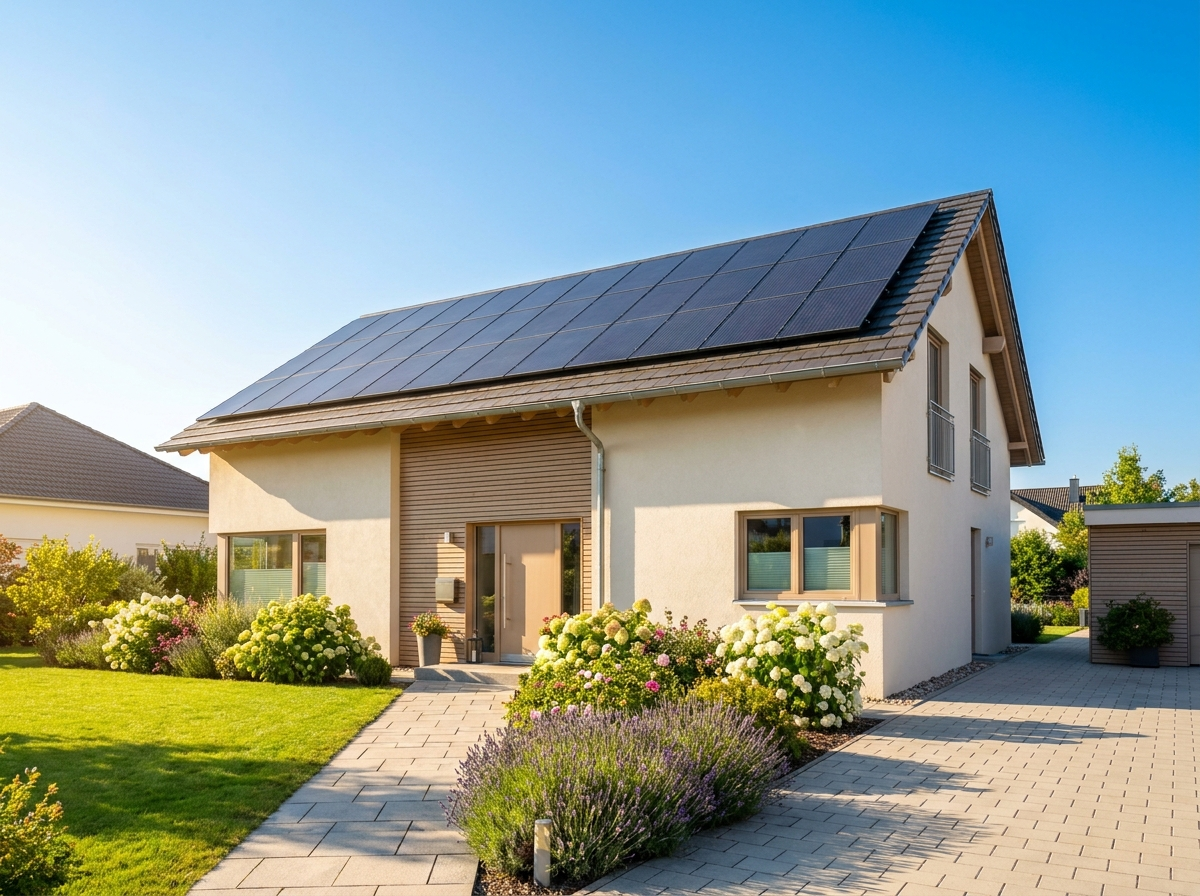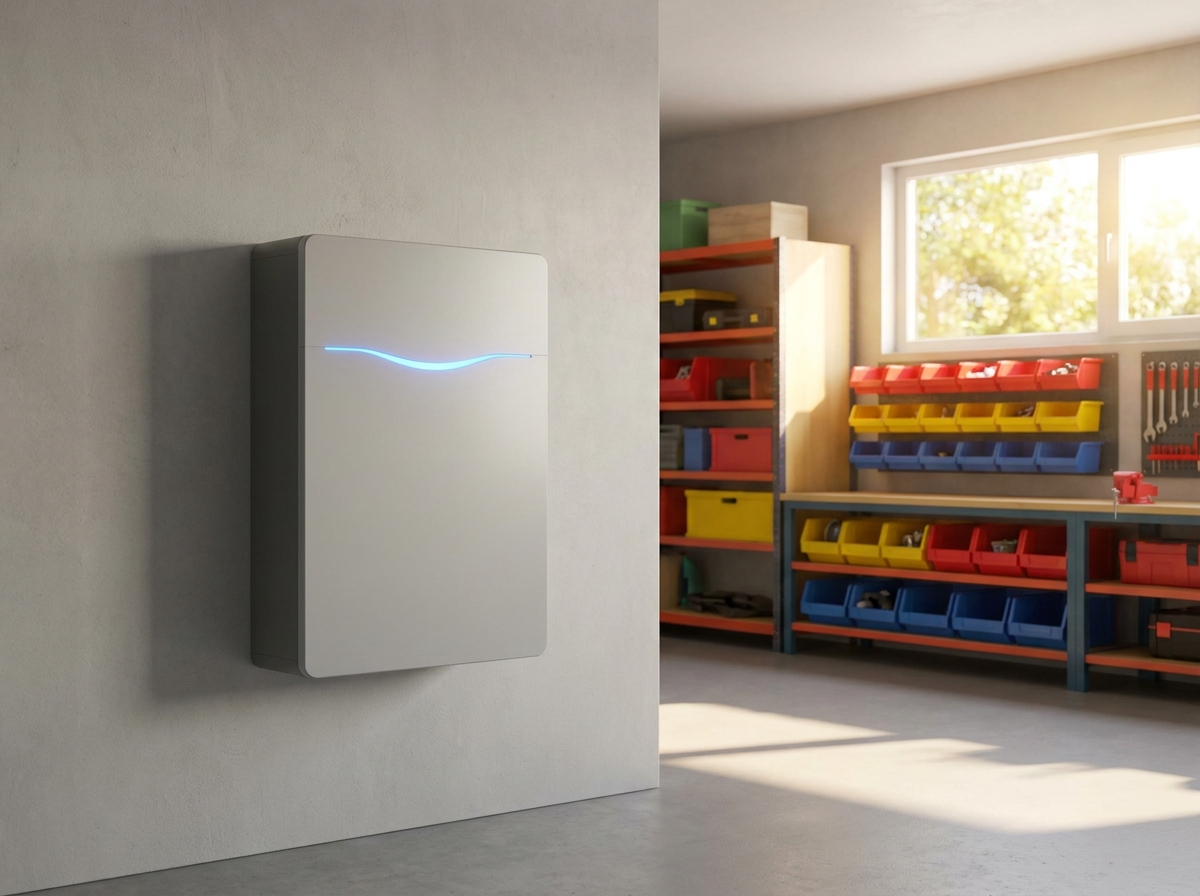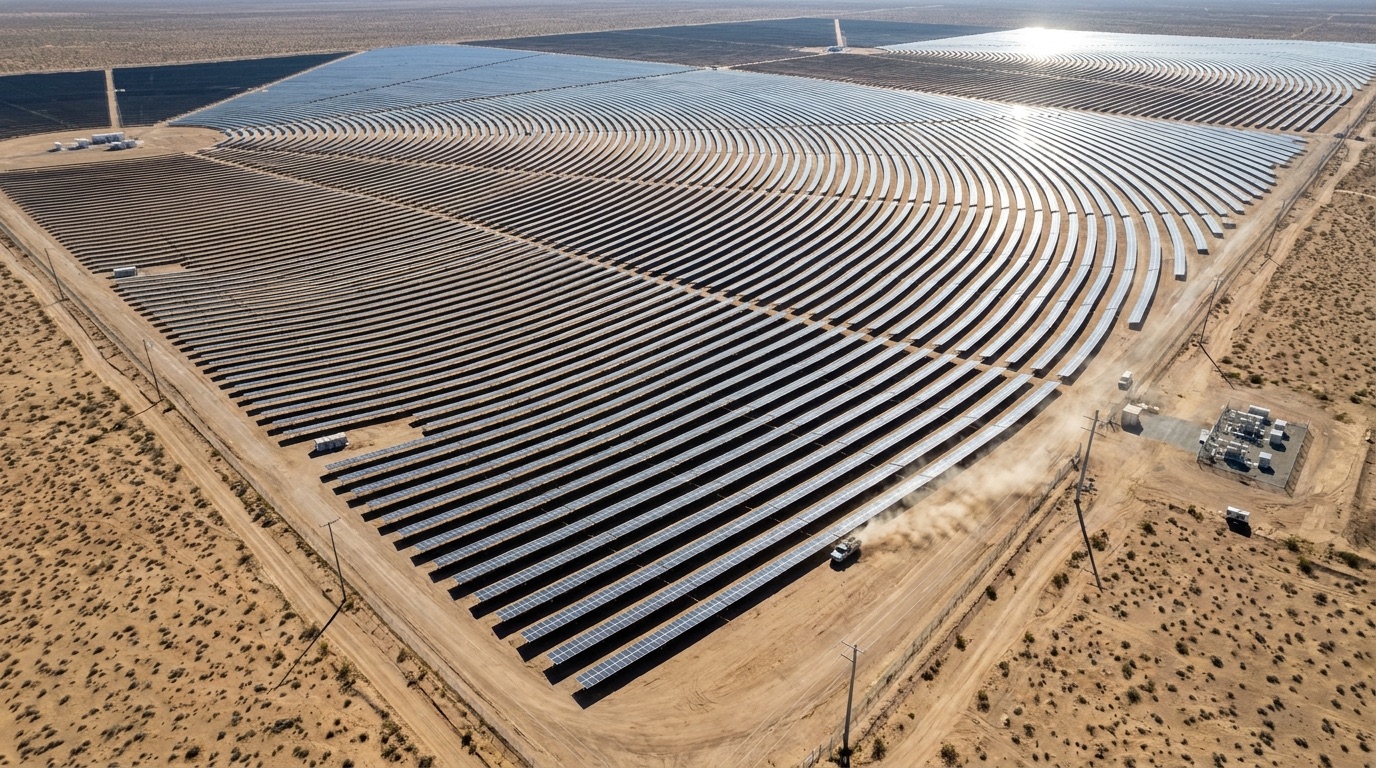
Behind-the-meter solar earns its return by displacing retail electricity — the most expensive energy a site buys. Grid-scale solar earns by selling wholesale and trading certificates. Between them sits storage, which arbitrages the gap. The decision is rarely ideological; it is a function of your load, your roof, your land and your appetite for market exposure.
Start with the load shape
A daytime-heavy load (a factory, a cold store, a school) self-consumes rooftop solar at near-retail value and barely needs to export. A peaky evening load wants storage before more panels. A site with no load but spare land is a generation opportunity, not a self-consumption one.
Then the tariff and the structure
Demand charges, time-of-use windows and export limits reshape every business case. So does the balance sheet: a PPA keeps capex off the books and pays from savings, while ownership maximises lifetime return for those who can fund it. We model all three — capex, lease and PPA — side by side.
- Daytime load + good roof -> behind-the-meter solar first.
- Peaky or evening load -> storage and orchestration.
- Spare land, weak load -> grid-scale generation and offtake.