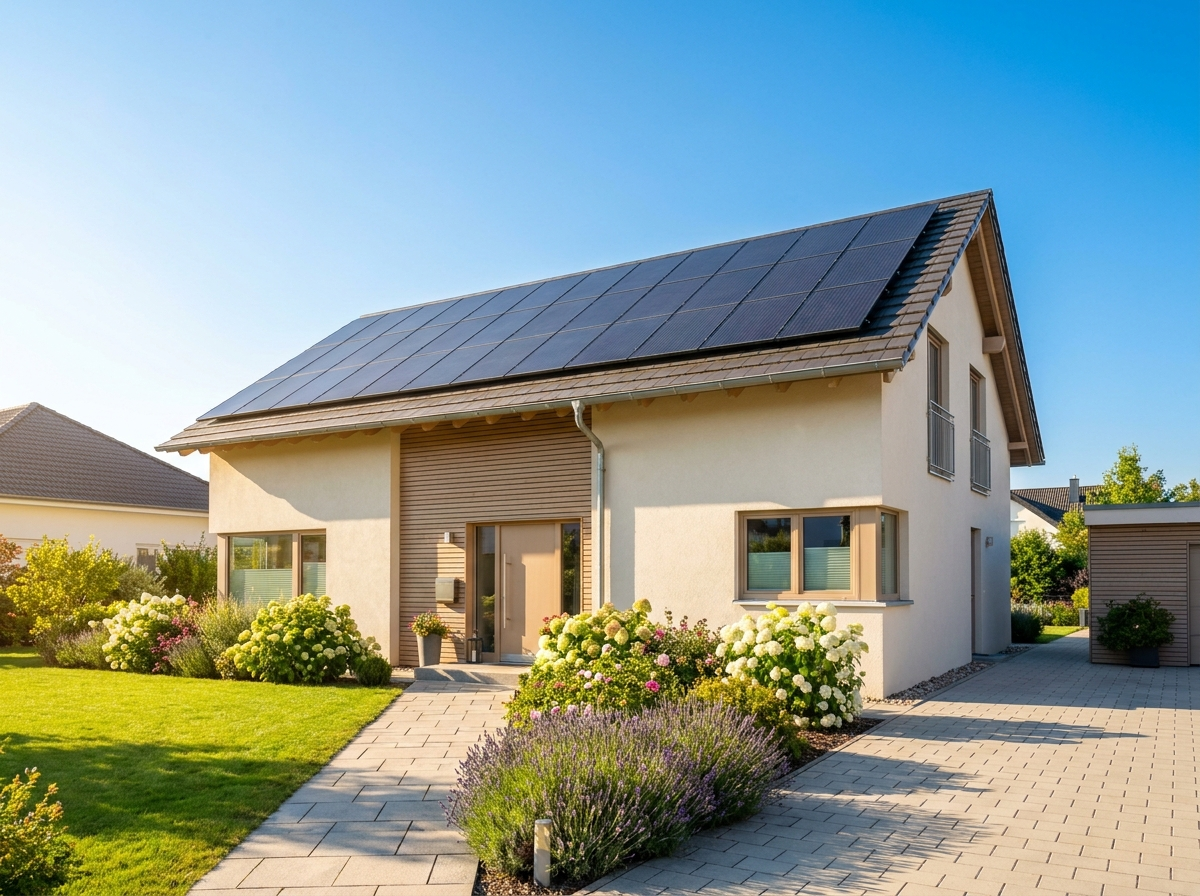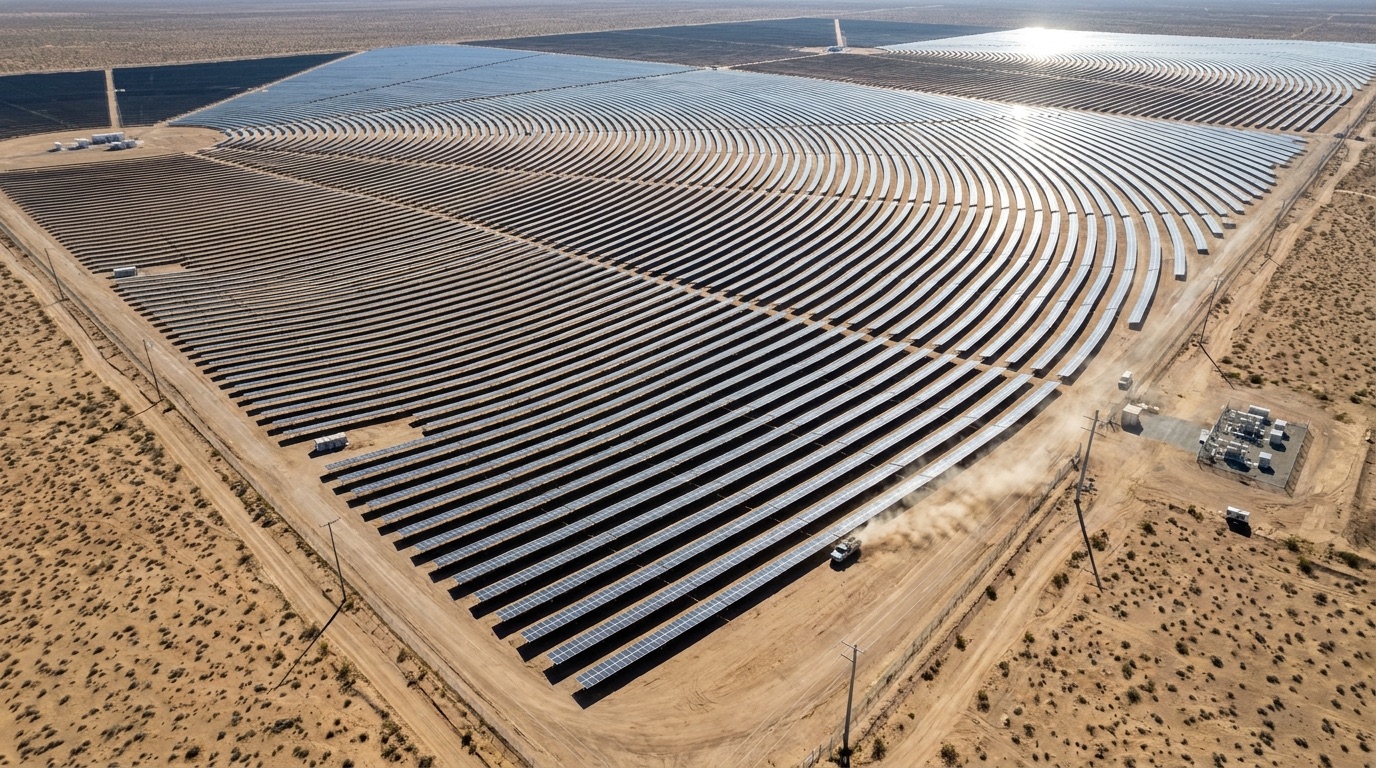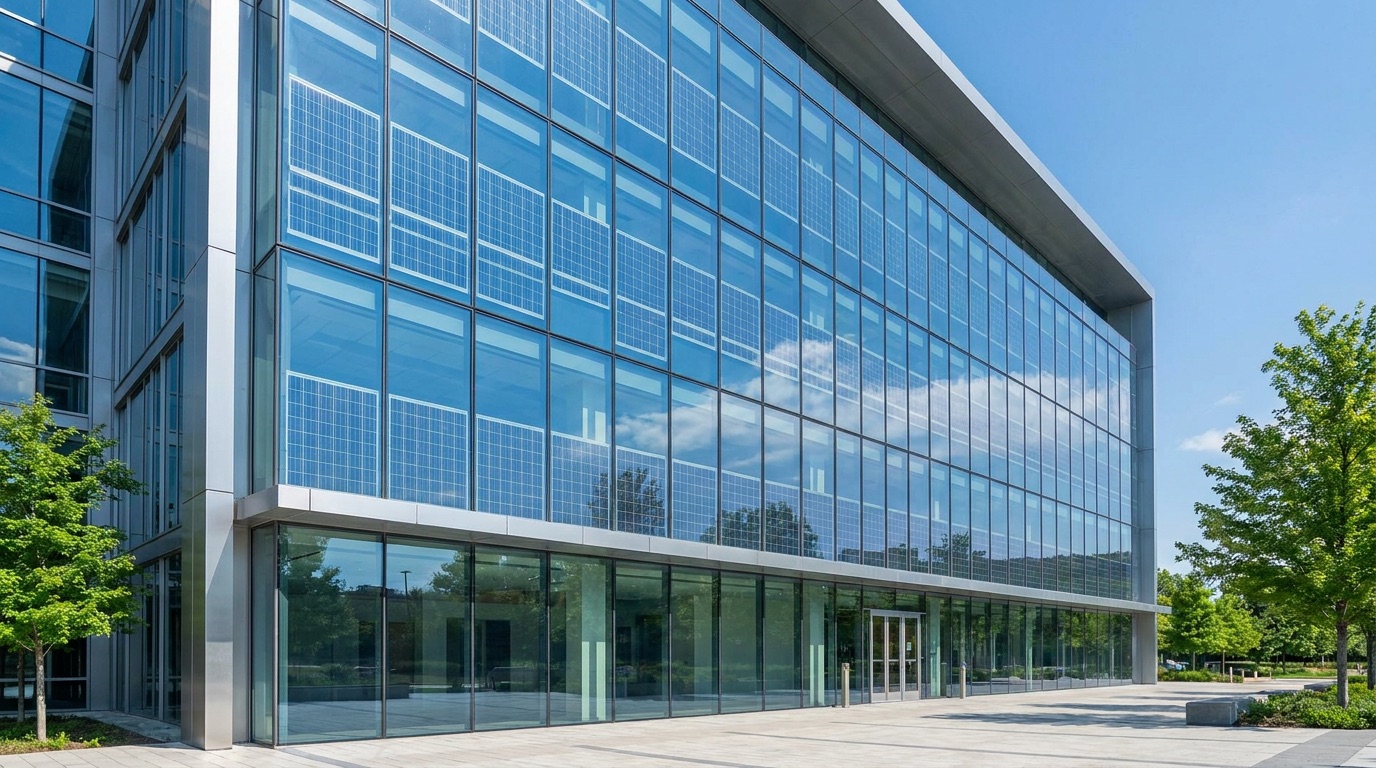
Conventional solar treats the roof as a mounting surface. BIPV treats generation as a construction material: solar glass in a curtain wall, photovoltaic spandrel panels, solar roof tiles, semi-transparent skylights. The module isn't added to the envelope; it is the envelope.
One material, two budgets
The economics change because a BIPV element draws from two budgets at once — the energy budget and the facade or roofing budget it replaces. When solar glass substitutes for architectural glazing you would have bought anyway, the marginal cost of generation falls dramatically. That is why BIPV pencils out on premium commercial towers where ordinary rooftop area is scarce relative to vertical surface.
Structure, weather and warranty
Because BIPV performs a building function, it must satisfy building standards — wind and water penetration, fire performance, structural deflection, and facade engineering — alongside electrical compliance. This is where integration expertise matters: a BIPV facade is signed off by a facade engineer and an electrical designer together, not one after the other.
- Solar glass and spandrel for curtain walls and atria.
- Solar roof tiles and standing-seam membranes for pitched and low-slope roofs.
- Semi-transparent canopies and skylights that daylight and generate.
For a developer, BIPV is a differentiator that reads as architecture rather than equipment — and a building that visibly generates its own power is a building that leases and sells on its own story.