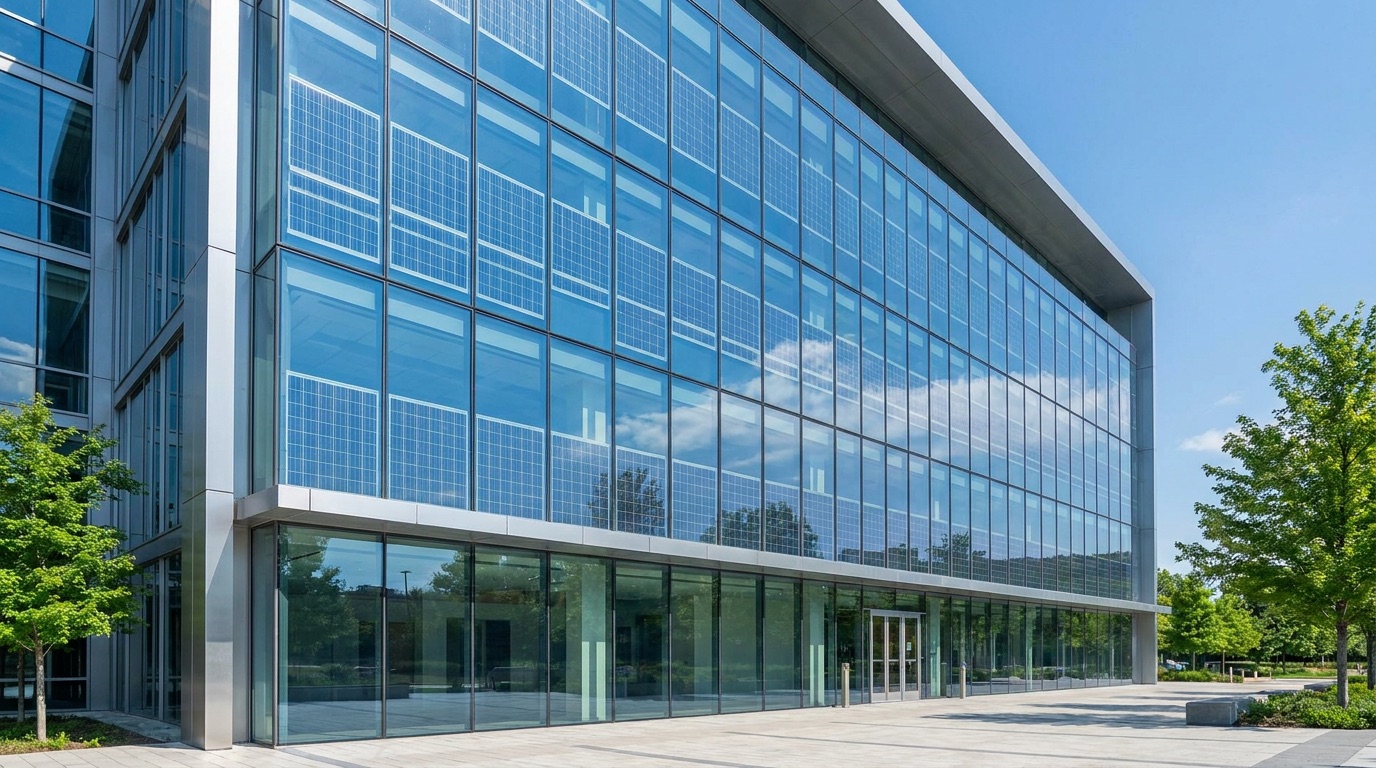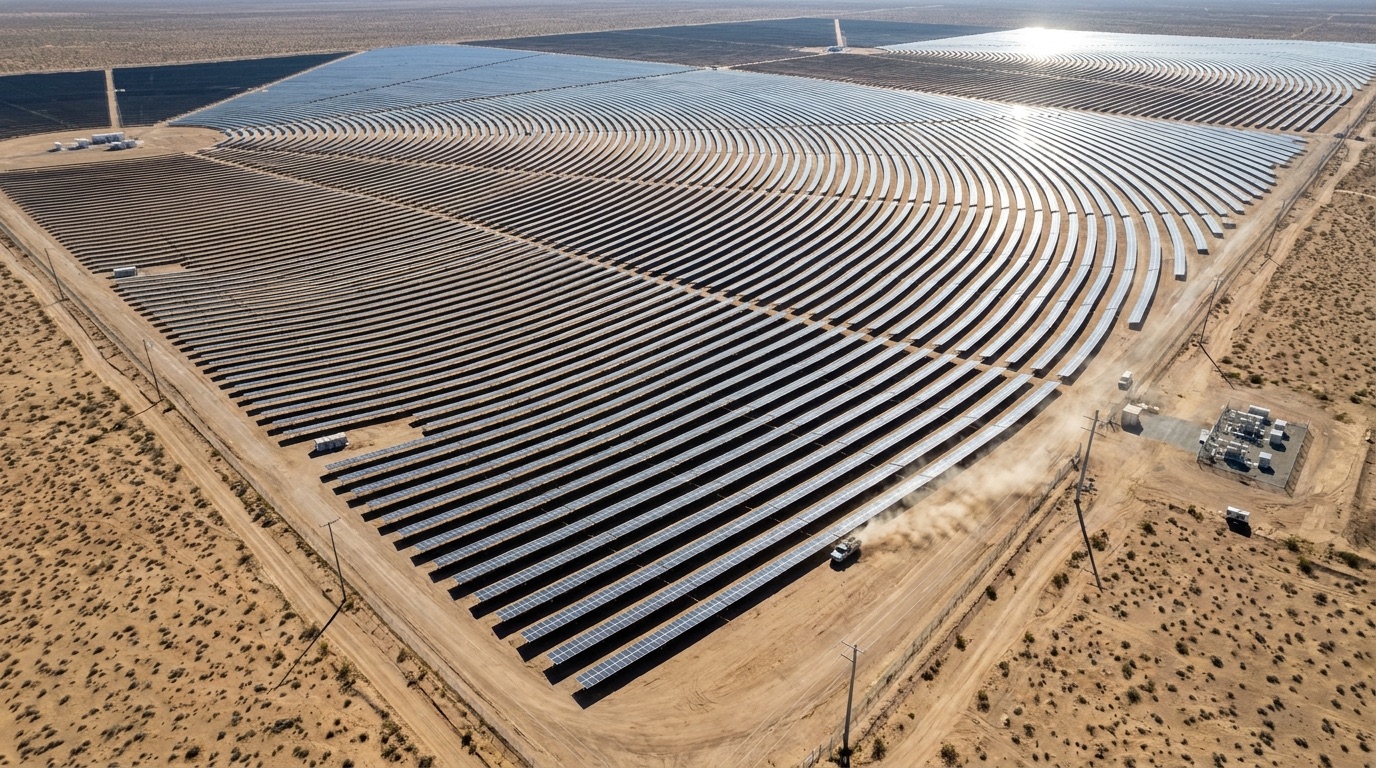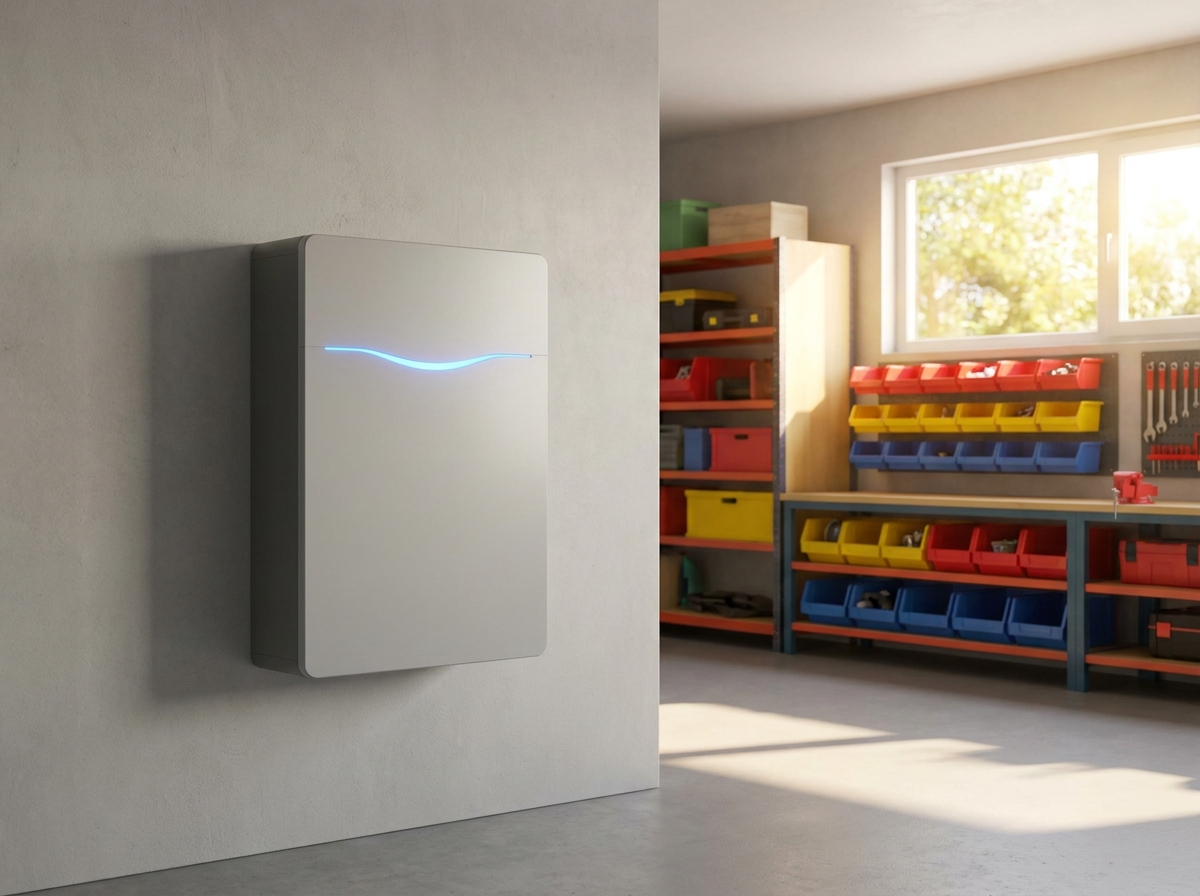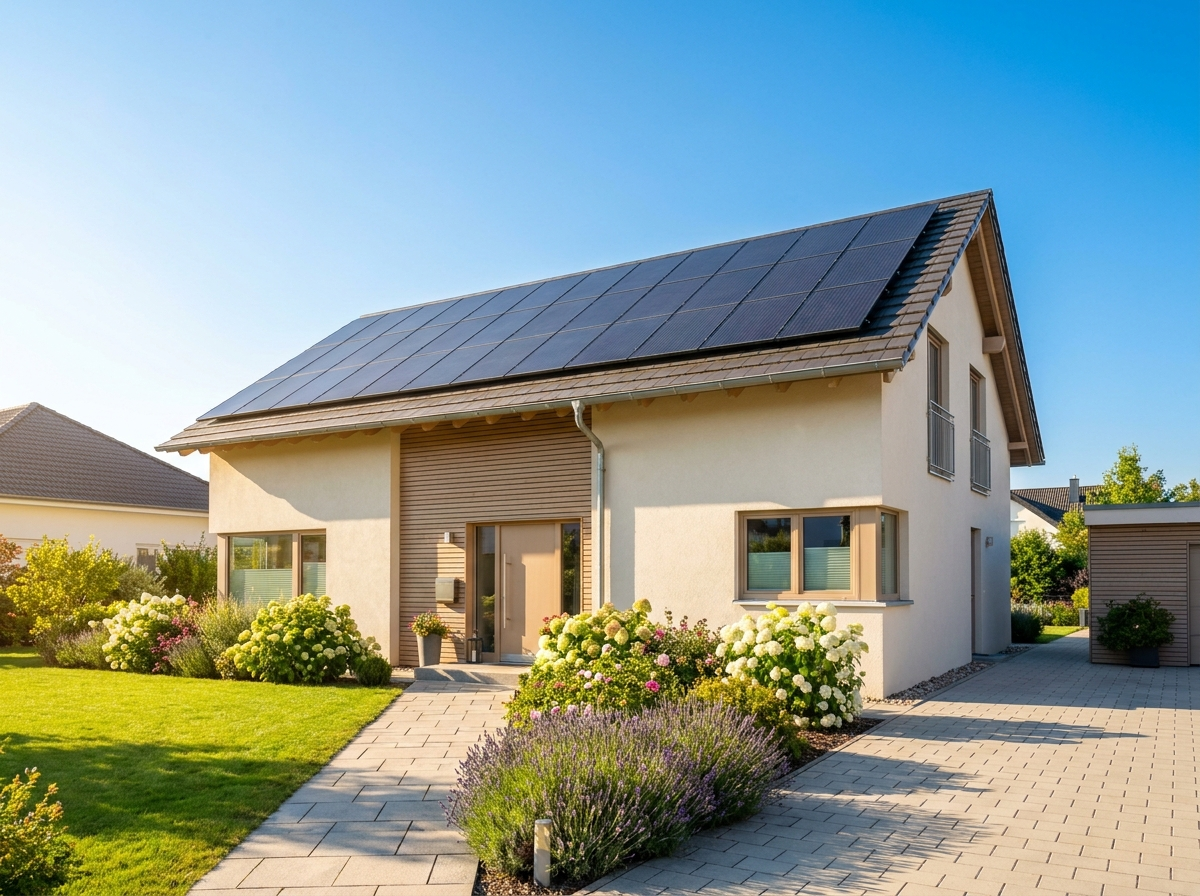
Every solar project is, at heart, a land transaction. A rooftop borrows a building's fifth facade; a farm leases a paddock; a carport rents the airspace above a slab already poured for cars. The projects that win planning approval and community support are the ones that add a layer of value without subtracting an existing one.
Generation as a second income on the same hectare
Agrivoltaics — raising panels high enough to graze sheep or grow shade-tolerant crops beneath — turns a single-use paddock into a dual-income asset. The grazing keeps grass down (cutting vegetation-management costs), the panels shelter stock and reduce evaporative stress on pasture, and the landholder receives both an agricultural margin and a lease cheque.
The same logic drives floatovoltaics on irrigation dams and reservoirs, where arrays spare arable ground entirely while cutting evaporation and lifting yield through water cooling. On sealed sites, solar carports convert a depreciating cost centre (the car park) into a revenue-generating, shade-providing amenity.
What it does to property value
Treated well, on-site generation is capitalised into the asset. Lower operating costs lift net operating income, which flows directly into valuation for income-producing property. For owner-occupiers, an efficient, electrified, solar-equipped building commands a measurable premium and sells faster. The risk is doing it badly — undersized, poorly mounted, or visually crude installations can detract. Engineering and integration are the difference.
- Map every horizontal and vertical surface as a potential generation asset before assuming you need new land.
- Quantify the avoided-cost and NOI uplift, not just the kilowatt-hours.
- Design for the building's structural and aesthetic life, not the cheapest racking available.
Land is the scarcest input in the energy transition. The discipline that separates a good developer from a great one is the refusal to waste it.