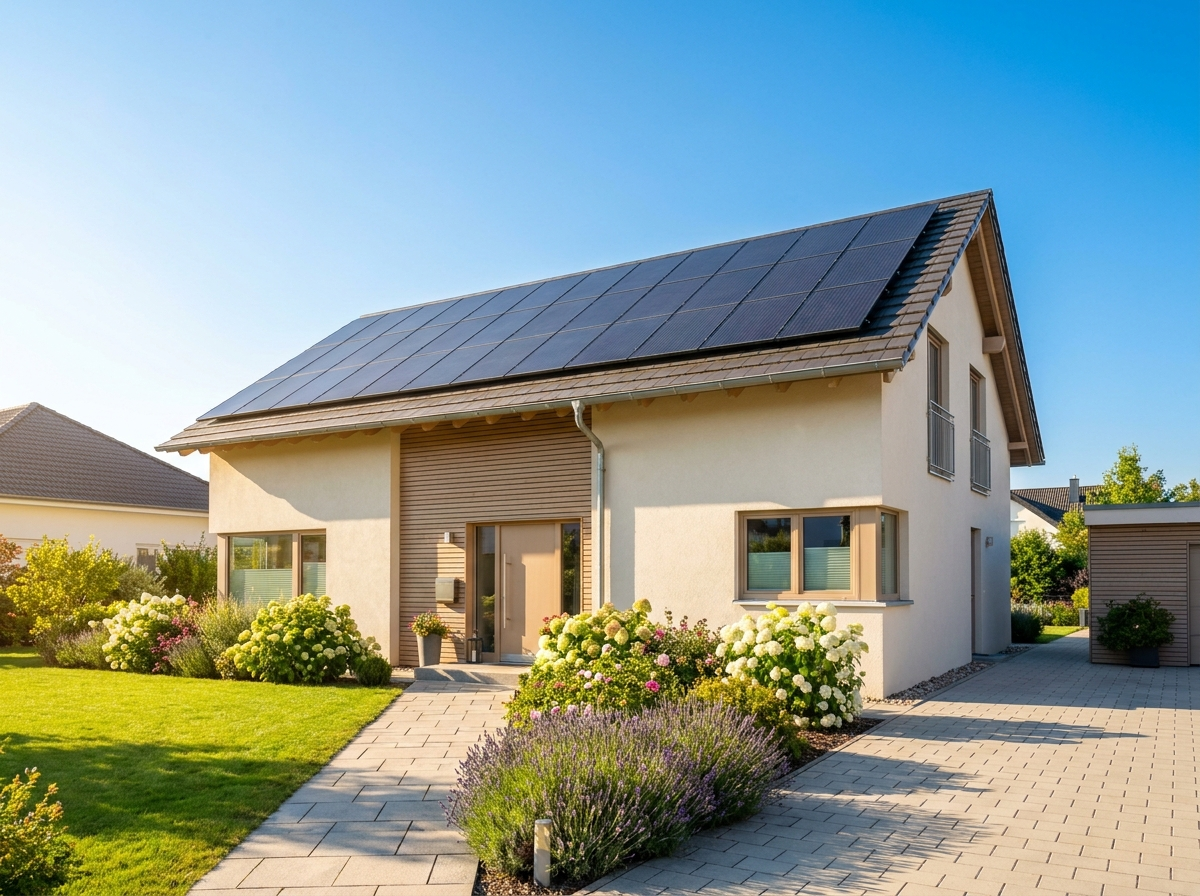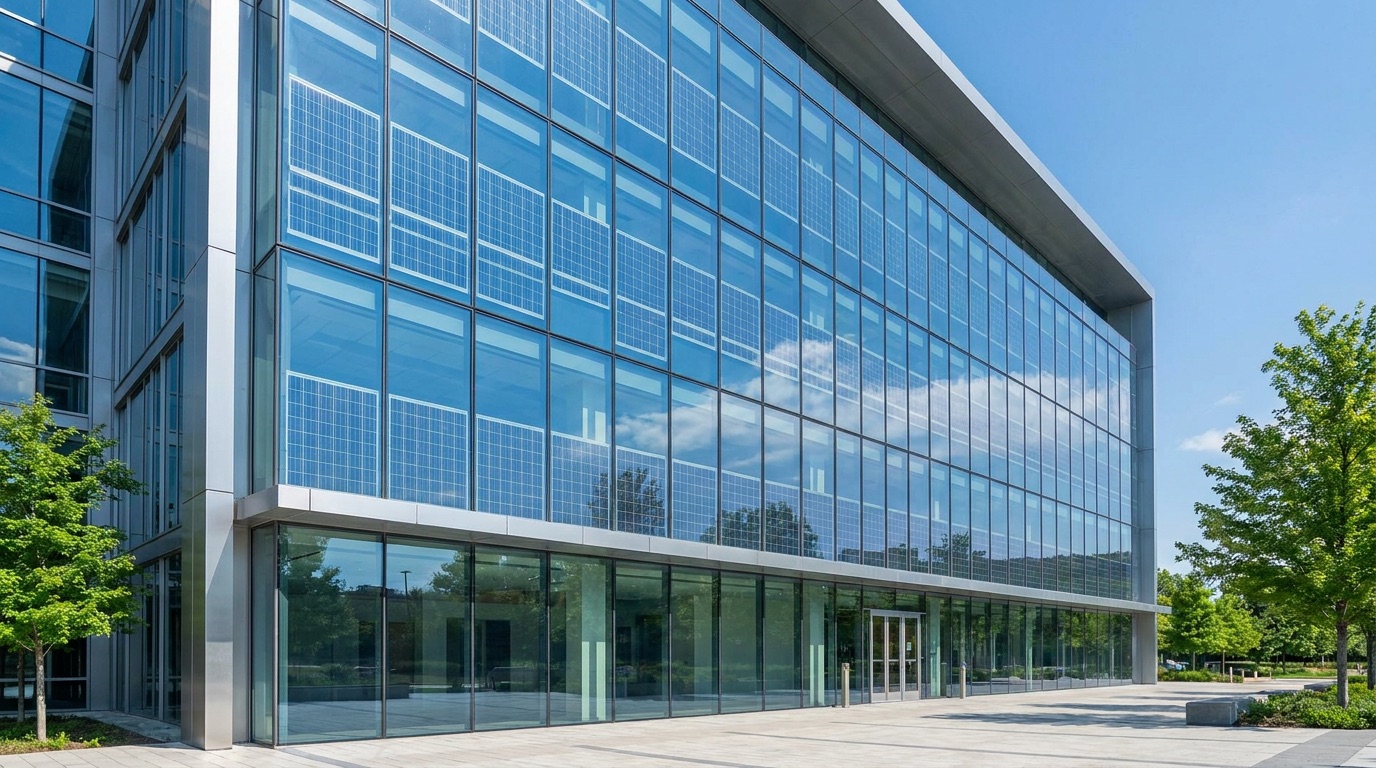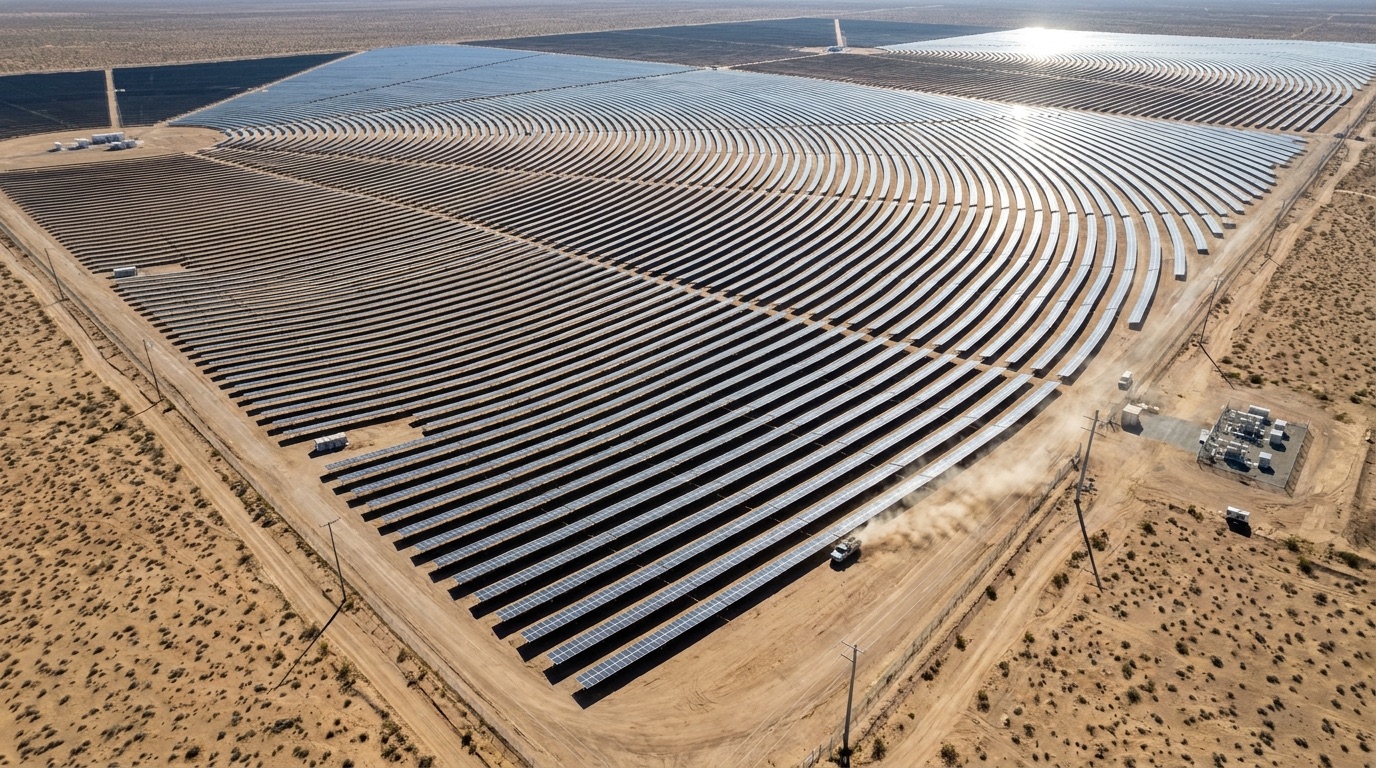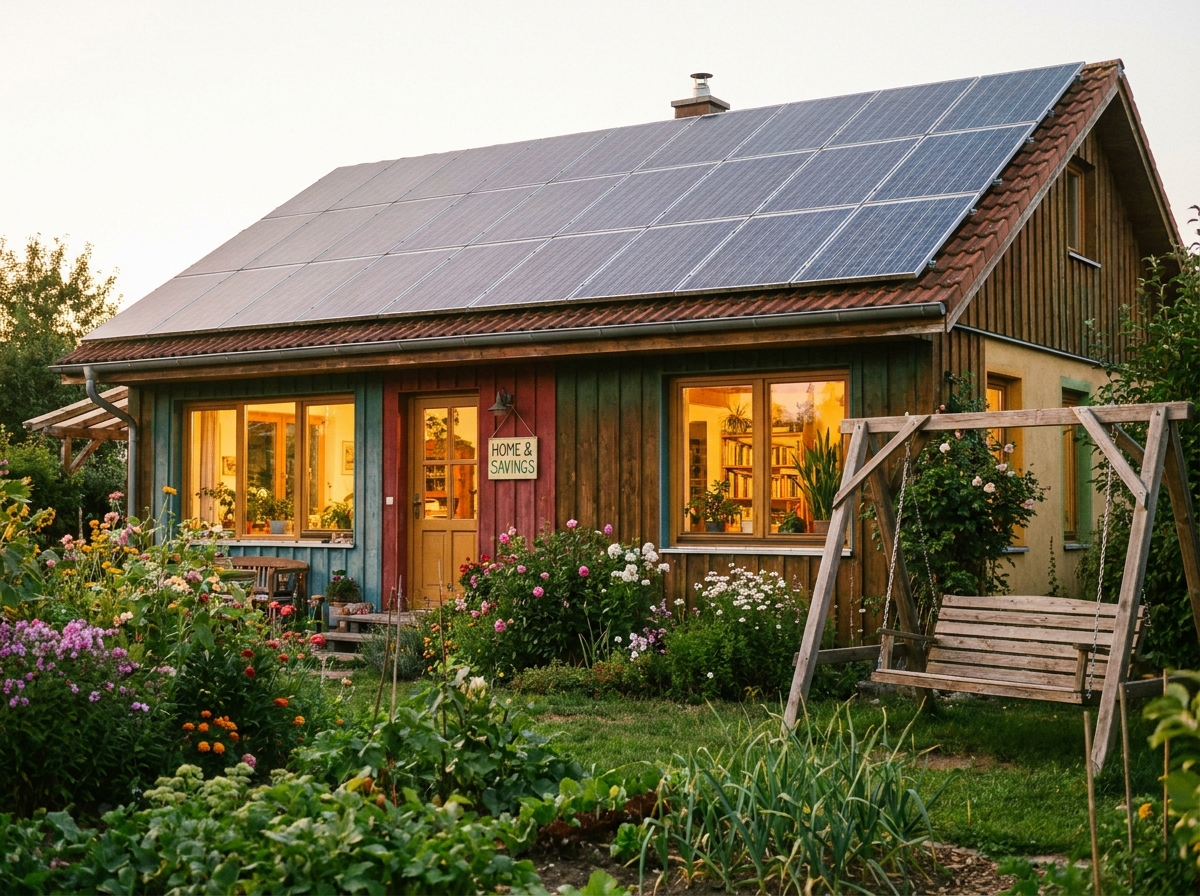
Under a PPA, a financier owns and maintains the system on your roof or land, and you agree to buy the electricity it produces at an agreed rate — typically well below the grid price — for a set term. There is no upfront cost, and operations and maintenance stay with the owner.
What to read closely
The rate, the annual escalator, the term length, and the end-of-term options (buy out, extend, or remove) are where PPAs differ. A low headline rate with an aggressive escalator can cost more over fifteen years than a flat, slightly higher one. We model the whole-of-term cost, not the first-year number.
- No upfront capital; payments come from energy you would have bought anyway.
- Off-balance-sheet treatment is often possible (confirm with your accountant).
- Performance risk sits with the asset owner, not you.
When ownership wins instead
For organisations that can fund capex and use the depreciation and certificates, outright ownership usually delivers the lowest lifetime cost of energy. The PPA's job is to unlock the project for everyone else — and to do it on terms that stay fair across the full term.