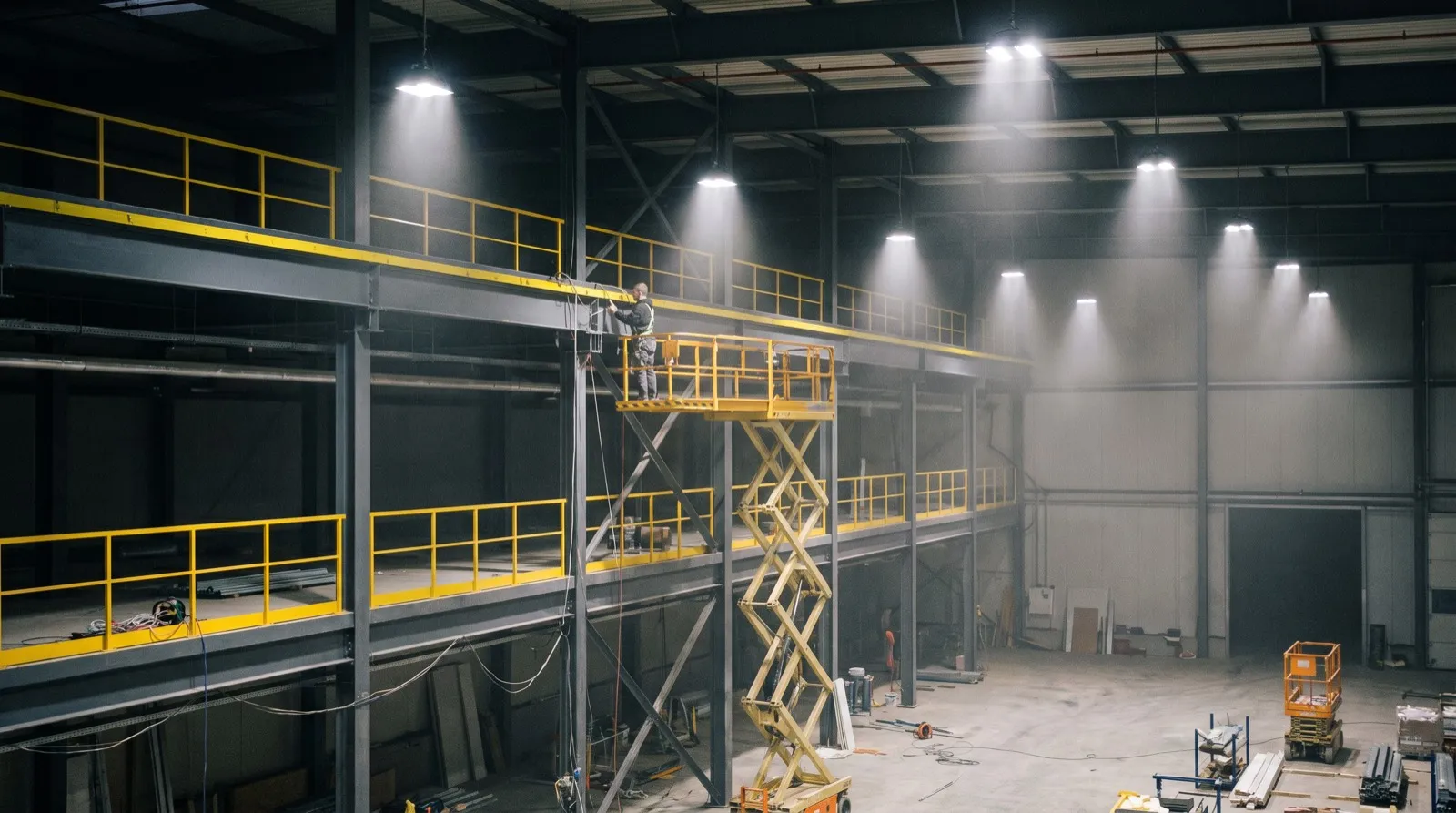
Lighting is one of the most technically complex elements of any electrical installation. The wrong colour temperature kills productivity in an office. Insufficient lux over a workbench is a safety hazard. A dimming system with incompatible drivers produces flicker that triggers photosensitive complaints. Ironclad Electrical approaches lighting as an engineering problem first and an aesthetic problem second. We calculate lux levels using photometric software, specify drivers and control gear that are electronically compatible with the chosen dimming protocol, and commission every zone to the client-approved scene table before handover.
Photometric Design and Lux Calculations
The NCC (National Construction Code) specifies minimum maintained illuminance levels for different space types: 320 lux maintained average for general office areas, 500 lux for task-intensive workstations, 160 lux for corridor and circulation spaces, and higher levels for specialist areas such as laboratories and production floors. AS/NZS 1680 provides the detailed criteria including uniformity ratios and glare ratings. Ironclad uses photometric calculation software to model the proposed fixture layout against the room geometry, reflectances, and maintenance factor before any cable is pulled. The output is an isolux plan showing the predicted maintained illuminance across the work plane, which we review with the client and adjust until the result satisfies both the standard and the intended use of the space.
- Photometric lux calculation for each space type against AS/NZS 1680 maintained illuminance criteria
- DALI-2 addressable control: individual fixture addressing, group control, and scene programming
- C-Bus lighting integration for projects that require unified building automation
- Daylight harvesting via DALI photosensor integration with automatic dimming response
- Emergency lighting integration to AS 2293 with DALI emergency module addressing
- NCC 2025 Section J energy compliance verification and lighting power density calculation
DALI-2 Digital Addressable Lighting Control
DALI (Digital Addressable Lighting Interface) is the international standard for digital lighting control, defined in IEC 62386. The current DALI-2 specification requires independent certification of all devices, which eliminates the interoperability problems that plagued first-generation DALI installations. In a DALI-2 system, every driver and every input device has a unique address on the two-wire bus. This means you can dim an individual fixture, a group of fixtures, or every fixture on the bus from a single scene command. Fault reporting is device-level: the control system knows which specific driver has failed, not just that a zone is dark. Ironclad programs DALI-2 systems using dedicated configuration software, assigns addresses systematically, and delivers a scene schedule and group address map as part of the handover documentation.
Compliance: NCC Section J and AS 2293 Emergency Lighting
Commercial lighting installations must satisfy NCC Section J energy efficiency requirements. The key metric is lighting power density (LPD) in watts per square metre, which must not exceed the NCC allowance for the space classification. Modern LED fixtures make NCC compliance achievable while delivering superior lux levels, but the calculation must be documented and submitted as part of the building approval package. Ironclad prepares the Section J lighting schedule and power density calculation where required. For emergency and exit lighting, we install and commission systems to AS 2293, including the 90-minute discharge test of all emergency luminaires, the logbook, and the annual test certification that building owners and strata managers are required to maintain.