Home / Resources / Do You Actually Need a Battery?
Batteries · 6 min read
Do You Actually Need a Battery?
A home battery is one of the most talked-about additions to a solar system — but it's also one of the most misunderstood. Batteries are a brilliant solution for the right household, but they're not essential for everyone. Let's look honestly at what a battery does, what it costs, and how to decide if it belongs on your shortlist.
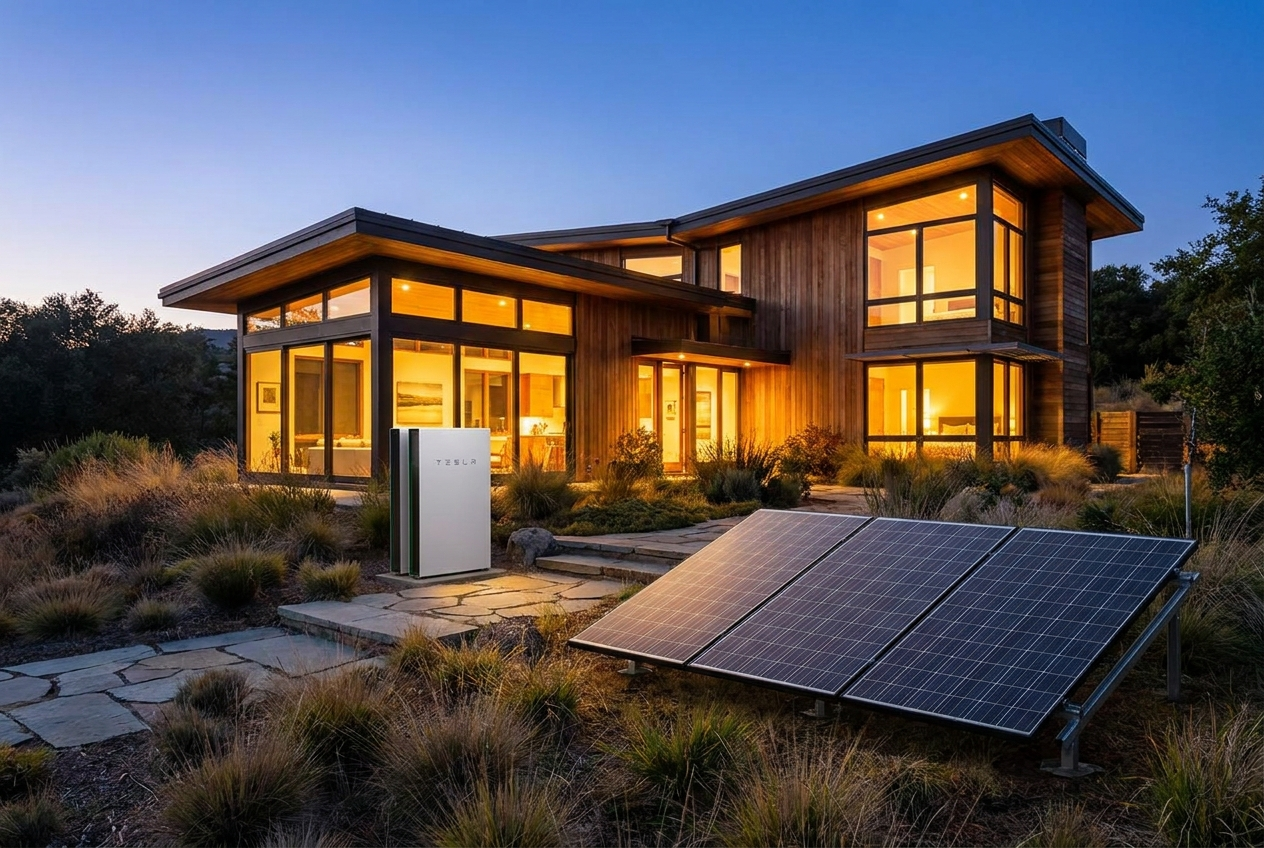
A home battery (sometimes called a solar battery or battery energy storage system) stores excess electricity that your solar panels generate during the day. Instead of exporting that surplus to the grid at a low feed-in tariff rate, you bank it at home and draw on it in the evening, overnight, or during a blackout. The most well-known home battery is the Tesla Powerwall, but there are many options on the market from brands including BYD, Sungrow, SolarEdge, and others.
The core problem a battery solves is the timing mismatch. Solar panels produce electricity during daylight hours. Most households use the bulk of their electricity in the morning and evening — before sunrise and after sunset. Without a battery, any solar power generated while you're at work or school is exported to the grid rather than stored for your personal use later.
What Does a Battery Actually Do?
During a typical day with a battery-equipped solar system:
- Your solar panels generate electricity from sunrise onward.
- Your home uses what it needs in real time — powering any appliances that are running.
- Surplus solar charges the battery until it's full.
- In the evening, your home draws electricity from the battery instead of the grid.
- If the battery runs out overnight, you switch seamlessly to grid power.
- During a grid blackout (with a blackout-capable battery setup), your home can keep running on stored solar power.
When a Battery Makes Strong Sense
A battery is likely worth investigating if one or more of these situations apply to you. You have high evening electricity usage — large families or households that cook, run dryers, and watch TV all evening will benefit most from stored solar power. You have a high electricity tariff and a low feed-in tariff — the bigger that gap, the more value you get from using stored solar rather than exporting and re-buying. You live in an area prone to blackouts — a blackout-capable battery system keeps your lights and essential appliances running when the grid goes down. You're on a time-of-use electricity plan — some retailers charge peak rates in the evening; a battery lets you avoid those expensive hours entirely.
When a Battery Might Not Be Worth It Yet
Batteries have real and meaningful upfront costs — typically somewhere in the range of $8,000 to $15,000 installed, depending on the brand and capacity. Their payback periods are generally longer than the solar system itself, often in the range of eight to fourteen years, though this varies with your usage patterns, electricity rates, and whether you participate in virtual power plant (VPP) programs that pay you for sharing stored energy.
If your household uses most of its electricity during daylight hours — perhaps you work from home, run a home office, or have a pool pump and air conditioning going during the day — you may already be self-consuming a large portion of your solar generation. In that case, a battery adds less value because there's less surplus to store.
Photon's tip: Before assuming you need a battery, ask your installer to review your energy usage profile. If most of your consumption already happens during the day, you might get a better return by simply upsizing your solar panels than by adding a battery.
Battery Capacity: What Do the Numbers Mean?
Battery storage is measured in kilowatt-hours (kWh) — the same unit used for electricity consumption on your bill. A 10 kWh battery can store 10 kilowatt-hours of electricity. The average Australian household uses roughly 15–20 kWh per day in total, though evening-only usage might be 5–10 kWh. A single battery typically covers a significant portion of evening needs for most homes, and some households install two batteries for greater coverage or blackout resilience.
The Future Is Moving Toward Batteries
Battery costs have been falling steadily, just as solar panel costs did before them. Government incentives for batteries are also expanding — several Australian states now offer rebates or interest-free loans specifically for home batteries. Virtual power plant programs, where households with batteries can earn money by sharing stored energy with the grid during peak demand events, are adding another financial layer to the equation. The case for batteries is strengthening year by year.
The bottom line: a battery is a worthwhile addition for many homes, but not a necessity for every solar system. The best approach is to install solar first, live with it for a few months to understand your usage patterns, and then make a battery decision with real data rather than guesswork.
Let's go solar
Ready to make friends with the sun?
Get a free, no-pressure quote and a clear plan. Photon will walk you through every step — no jargon, promise.